
IHSG slides to the 7,500 level, with US–Iran tensions and oil prices named as the main drivers
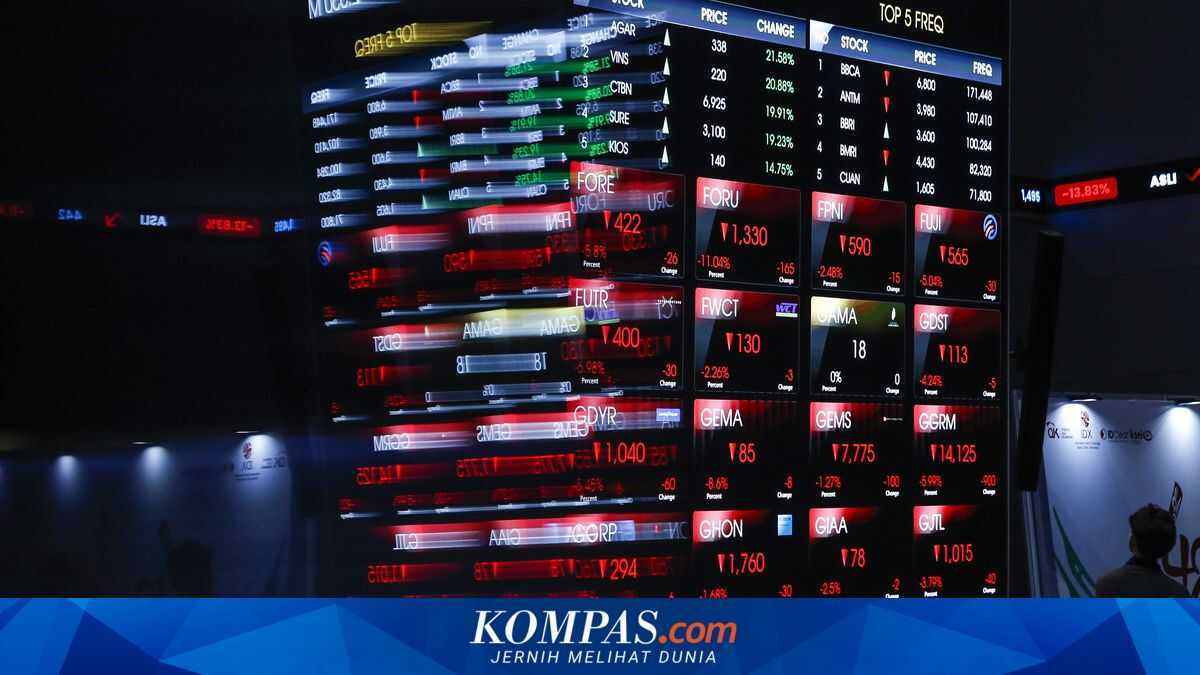
The Jakarta Composite Index (IHSG) declined in Friday morning trading on 6 March 2026, as selling pressure broadened across nearly all sectors amid rising concerns over a Middle East escalation and higher energy prices. According to data from the Indonesia Stock Exchange (BEI), the IHSG fell 179.427 points, or 2.33%, to 7,531.110. From the outset, the index traded in the red and continued to weaken toward its intraday low. Turnover reached 15.49 billion shares, with a value of around Rp 7.43 trillion across 943,436 trades. However selling pressure dominated with 619 stocks down, 91 up, and 96 unchanged. Earlier, the domestic market had managed a rebound, with the IHSG rising 1.76% to 7,710 after earlier steep declines. The rebound was driven by bargain-hunting among large-cap stocks, particularly in the banking, industrial, and basic materials sectors. Cyclicals led gains, rising 3.40%, followed by the industrial sector, up 2.80%, banking up 2.75%, and basic materials up 2.63%. Nevertheless, the gains require cautious interpretation, as technically it could be only a rebound or a dead-cat bounce in a fragile global mood. Hendra Wardana, founder of Republik Investor, said the IHSG’s weakness reflected negative global sentiment returning, notably over the escalation of the United States–Iran conflict which has pushed global oil prices higher. He added that this situation tends to make global investors scale back exposure to risk assets, including equities in emerging markets like Indonesia. “The global financial markets are once again under pressure as investor concerns about the escalation of the US–Iran conflict push world oil prices higher,” he told Kompas.com on Friday. The rise in oil prices, which have surpassed USD 80 per barrel, has raised concerns about potential inflation and the risk of a global economic slowdown.