
IHSG Extends Gains, Closes Up 0.72% at 6,206.35
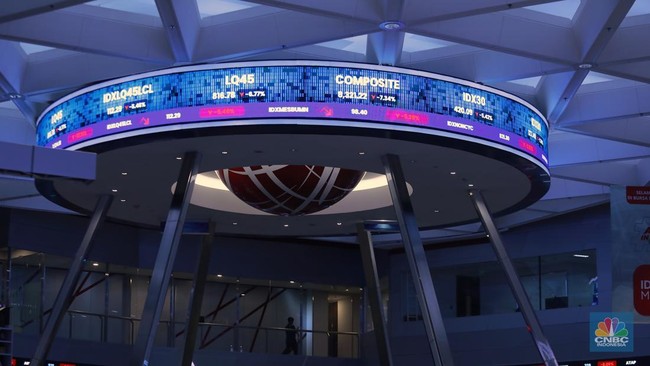
JAKARTA — The Indonesia Stock Exchange Composite Index (IHSG) extended gains on Monday (25 May 2026), continuing a rebound after last week’s significant decline. The IHSG closed up 44.30 points, or 0.72%, at 6,206.35 in the second session. 470 shares rose, 236 fell, and 114 remained flat. Trading value at the start of the session reached Rp16.88 trillion with a volume of 27.60 billion shares and 2.06 million transactions. Most sectors advanced, with finance, industry, and property leading gains. Infrastructure, energy, and raw materials sectors declined. Three major Indonesian banks—BBRI, BBCA, and BMRI—drove the IHSG’s performance. Other contributing stocks included ASII and AMMN. The IHSG’s gains followed last week’s weekend rebound of 1.1% to 6,162.04 after consecutive declines. Trading this week will be shortened due to the Eid al-Adha holiday on Wednesday and Thursday (27-28 May 2026). Market participants must monitor key sentiment drivers given the abbreviated session. International sentiment will focus on the Iran conflict entering its fourth month. The US and Iran have shown progress in peace talks to end the war and reopen the Strait of Hormuz, but remain divided over Iran’s uranium stockpile and plans for vessel fees on the strategic waterway. US Secretary of State Marco Rubio stated there were ‘positive signs’ toward a deal but stressed the US rejects vessel fee systems at the Strait of Hormuz. President Donald Trump also insisted the waterway must remain open and free for international shipping. The Strait of Hormuz, through which around 20% of global oil and LNG supplies pass, has seen near-halted shipping since the conflict began on 28 February. Negotiations are also stalled over enriched uranium. The US demands Iran hand over its uranium stockpile, fearing it could be used for nuclear weapons, while Iran insists its nuclear programme is peaceful. Trump urged his negotiators not to rush a deal, stating the US blockade on Iranian ports would remain until a formal agreement is signed. He faces criticism from Republican figures like Mike Pompeo and Ted Cruz, who view the potential deal as too favourable to Iran. Domestically, government policies and economic data will drive sentiment. Last week, the government announced a major policy to establish a strategic commodities export body. Market participants are expected to monitor its impact this week, especially as many implementing regulations remain pending. The new policy has drawn significant market attention due to concerns over its potential impact on corporate performance. The government decided to fully transfer Indonesia’s strategic commodities exports to the state-owned export entity, PT Danantara Sumberdaya Indonesia (PT DSI), effective 1 January 2027, delayed from the original 1 September 2026 date. The government will implement the export mechanism through the special body from next month, with a transition period until 31 December 2026. During this time, companies can still sell directly to buyers, but all export documentation must go through the state-owned enterprise (SOE). After the transition period, the government will review the policy before full implementation from January 2027. The move aims to strengthen export oversight, curb under-invoicing and transfer pricing, and prevent foreign currency outflows. Meanwhile, FTSE Russell announced the quarterly review results for the June 2026 FTSE Global Equity Index Series (GEIS). Four Indonesian stocks were removed from the index with no new additions. According to FTSE Russell’s announcement, PT Dian Swastatika Sentosa Tbk (DSSA) was removed from the Large Cap category. There were no changes in the Mid Cap or Small Cap categories. In the Micro Cap category, FTSE removed three companies: PT Diastika Biotekindo Tbk (DAAZ), PT Hillcon Tbk (HILL), and PT Mulia Industrindo Tbk (MLIA).