
IHSG Declines, Tracking Asia’s Markets and Wall Street on Iran–US War Uncertainty
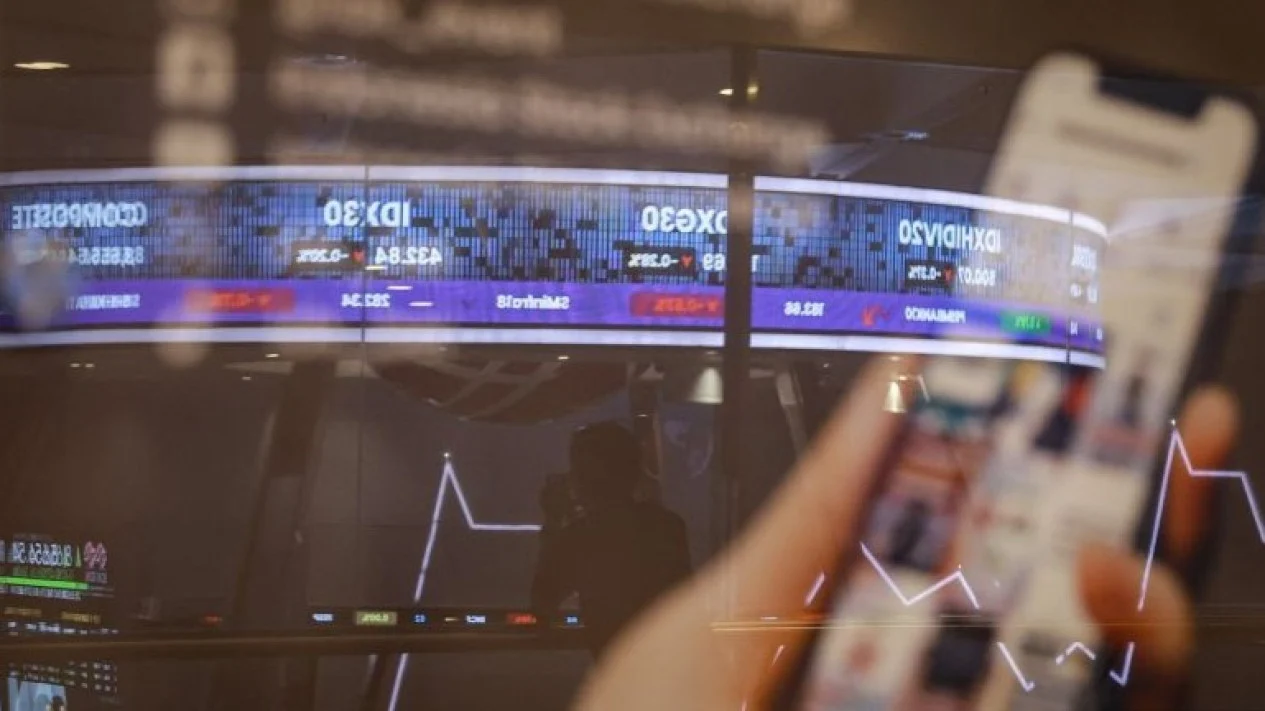
IHSG opened lower by 43 points, or 0.55 per cent, at 7,896 on the opening of trade on Wednesday, 4 March 2026. Head of Retail Research at BNI Sekuritas, Fanny Suherman, forecast that the IHSG could weaken further today. ‘The IHSG still has room to fall, testing support at 7,900. Be careful: if 7,900 breaks, there is potential for a correction to 7,450,’ she said in her daily research note on Wednesday, 4 March 2026.
She noted that Asia’s indices broadly fell on Tuesday as tensions between Iran and the United States entered a fourth day with no sign of abating. Oil prices continued to rise after reports that Iran had closed the Strait of Hormuz. US crude rose to US$71.33 per barrel, while Brent traded at US$78.07 per barrel. Data from Kpler show that more than 14 million barrels per day traversed the Strait of Hormuz last year, equivalent to nearly a third of the world’s total seaborne oil exports, highlighting the strait’s vital importance for global energy trade.
In South Korea, the Kospi tumbled 7.2%, leading declines in Asia. In Japan, the Nikkei 225 fell 3.1% and the Topix declined 3.2%. Meanwhile, Australia’s S&P/ASX 200 fell 1.2%, Hong Kong’s Hang Seng decreased by 1.1%, Taiwan’s Taiex slipped 2.2%, and mainland China indices traded down by more than 1%.
‘Support for the IHSG sits around 7,650–7,750, while resistance lies in the 8,000–8,050 range,’ she added.
For context, Wall Street indices also declined on Tuesday as market participants grew concerned about a prolonged US–Iran confrontation. After a sharp intraday drop, US President Donald Trump’s statements offered only modest relief to investors ahead of the market’s close. The Dow Jones Industrial Average finished 0.83% lower, the S&P 500 fell 0.94%, and the Nasdaq Composite declined 1.02%.
On Tuesday afternoon, Trump said the US Navy would escort tankers transiting the Strait of Hormuz if necessary. In a post on Truth Social, he emphasised that the United States would ensure that the global energy flow continues to operate.