
If Internet Access Becomes Private Property, Tariffs Could Rise and Access Would Become Unequal
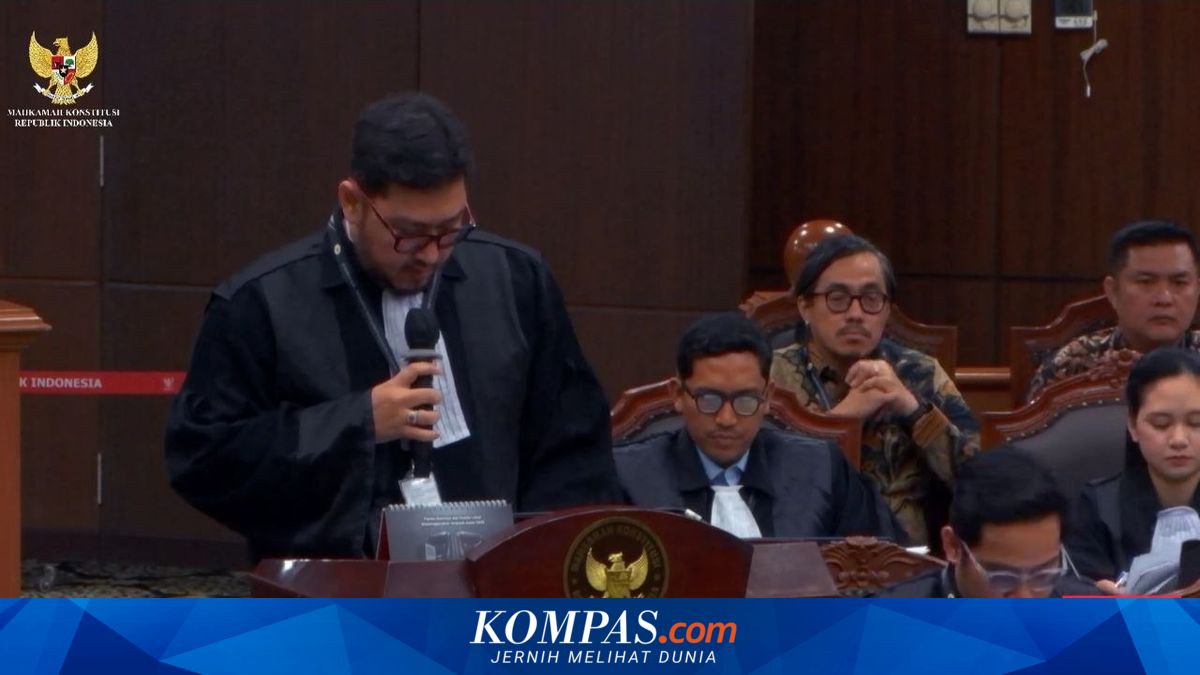
JAKARTA - The potential change in the status of internet access to private property is seen as capable of triggering tariff increases and widening access disparities in society, should the request for material review of Law No. 6 of 2023 on Job Creation be granted by the Constitutional Court.
This was conveyed by the All-Indonesia Telecommunications Operators Association (ATSI) during a hearing held in the Plenary Courtroom of the Constitutional Court on Monday (4/5/2026).
ATSI highlighted that one of the main consequences is the potential rise in internet tariffs, which would impact access inequalities in society.
“Internet tariffs could increase. In this situation, parties with high purchasing power would benefit by hoarding limited internet access for their own interests or those of their affiliates for an indefinite period,” stated ATSI’s legal representative, Adnial Roemza, during the hearing.
“The framework for providing internet data services in Indonesia would conflict with universal or international standardisation practices and regulatory guidelines,” he explained.
ATSI also spotlighted the risks of changing the status of internet access from a public to a private dimension, which could reduce state control over limited resources.
“Rights to access internet network capacity through the utilisation of radio frequency spectrum, which is a limited natural resource of a public dimension controlled by the state, would become private property rights (privatisation),” he said.
According to ATSI, this situation could encourage uncontrolled accumulation of internet usage, impacting network capacity limitations.
Furthermore, oversight of access misuse would become increasingly difficult for the state and mobile operators.
“The state and mobile operators would struggle to control the behaviour of parties hoarding internet access to resell it without a business licence and without complying with applicable regulations, or using it for illegal activities,” he clarified.
ATSI added that network capacity limitations also risk lowering the quality of internet services received by the public.
“As a result, even though customers can access the network, internet service speeds would decrease significantly due to accumulated usage on limited capacity,” he stated.
ATSI emphasised that the current quota- and time-based service scheme is part of the governance of limited network resources to maintain service quality while ensuring equitable access for society.