
IESR: B50 Policy Not a Long-Term Solution to Address Energy Crisis
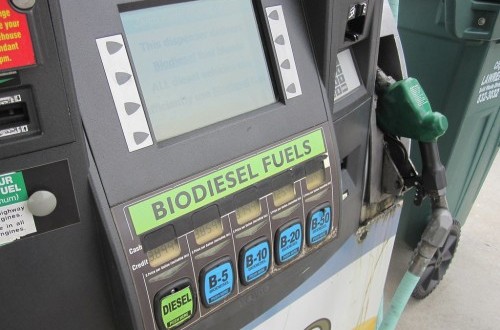
The government is accelerating anticipatory steps to face the threat of a global energy supply crisis due to disruptions in oil and gas distribution. However, the policy of increasing the biodiesel blend to B50 is considered not yet a long-term solution to strengthen national energy resilience.
The threat of an energy crisis emerged after Iran’s partial closure of the Strait of Hormuz amid regional Gulf conflicts. This strategic route is one of the vital arteries of global energy trade, so distribution disruptions could trigger price surges and domestic energy supply limitations.
President Prabowo has instructed the acceleration of several strategic programmes to reduce reliance on imported fossil fuels. These programmes include building solar power plants up to 100 gigawatts, replacing diesel power plants with solar power systems integrated with battery energy storage, and accelerating the conversion of 120 million fossil fuel motorcycles to electric vehicles.
In addition, the government is promoting changes in energy consumption patterns through a policy of working from home one day a week to reduce mobility and fuel consumption. The government is also accelerating the implementation of biofuel with a blend of up to 50 percent or B50 to curb oil fuel imports amid global supply uncertainties.
These energy transformation policies will begin to be implemented on 1 April 2026 and will be evaluated after two months of implementation. Amid these steps, the think tank Institute for Essential Services Reform (IESR) assesses that increasing the biodiesel blend to B50 is not an ideal strategy in the long term.
IESR Chief Executive Officer Fabby Tumiwa said that while the B50 policy can reduce solar consumption in the short term, it has the potential to create a large fiscal burden and does not significantly enhance national energy resilience.
IESR’s study shows that the current price of Fatty Acid Methyl Ester based on palm oil is higher than conventional solar. This condition makes increasing the biodiesel blend potentially significantly increase subsidy needs, while also reducing the volume of palm exports, impacting a decline in state revenues from taxes and export duties.
“The transition to B50 has the potential to increase biodiesel subsidies by Rp29 trillion above the B40 allocation, exceeding the total receipts of the Palm Oil Plantation Fund Management Agency (BPDPKS) this year,” said Fabby.