
IESR: 100 GW Solar Power Program Must Begin with Measured Quick Wins
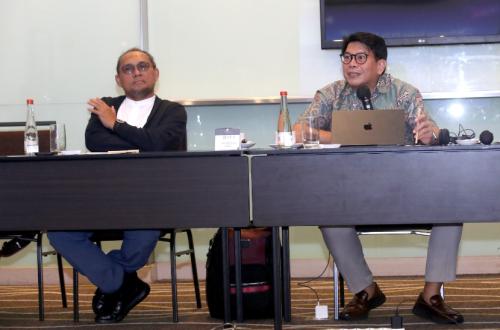
The Chief Executive Officer (CEO) of the Institute for Essential Services Reform (IESR), Fabby Tumiwa, stated that implementing the 100 gigawatt (GW) solar power plant program must begin with measured and sustainable quick wins to achieve the government’s ambitious targets. Fabby noted that the success of the 100 GW solar program depends not just on capacity targets but also on the government’s ability to establish a rapid, measurable, and replicable implementation framework across regions. He added that the government should prioritise initiatives in the initial phase that immediately reduce diesel consumption, attract investment, improve clean electricity access, and build confidence in Indonesia’s ability to execute large-scale clean energy projects. ‘Quick wins are crucial to demonstrate that the 100 GW solar program is not merely a capacity ambition but a tangible energy system transformation strategy,’ Fabby said during a media briefing on Friday, 29 May 2026. President Prabowo Subianto previously affirmed the government’s commitment to accelerating the construction of 100 GW of solar power as part of the energy transition and national energy independence agenda. The programme is targeted for completion before 2029 and aims to strengthen Indonesia’s position in clean energy development within ASEAN. IESR identified three priority agendas for the initial implementation phase: accelerating dedieselisation, speeding up rooftop solar and Battery Energy Storage System (BESS) projects, and developing village-level solar power management models through village cooperatives or village-owned enterprises (BUMDes). Fabby considered dedieselisation the most strategic entry point, as Indonesia still has thousands of diesel power plants (PLTD), particularly in remote and island regions. According to the 2025-2034 Electricity Supply Business Plan (RUPTL), PLN reported approximately 3,996 diesel generators across 1,234 remote locations, with a target to reduce diesel-based electricity supply by 80% by 2030. However, the dedieselisation project procurement process has not been optimal. Tender bids in 2022 attracted few participants, and the signing of Letters of Intent (LoIs) with consortia in 2023 has been delayed by tariff approval issues. To date, the Energy and Mineral Resources Minister has yet to issue a decision on the upper price limit for PLTS and BESS-based dedieselisation projects.