
IEA Prepares Further Release of Emergency Oil Reserves; Asia to Receive This Share
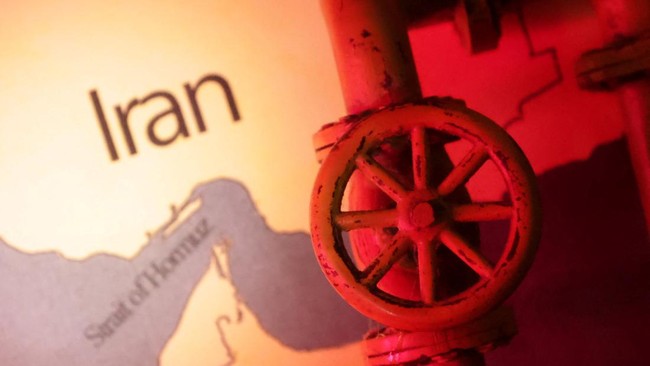
Jakarta — The International Energy Agency (IEA) is considering a further release of emergency oil reserves to dampen rising global prices amid unresolved conflict in the Strait of Hormuz.
IEA chief Fatih Birol stated that member nations still possess substantial oil reserve stocks despite having previously agreed to the largest release in energy market history.
“Despite this massive release, we still have considerable stocks remaining,” Birol said, as cited by The Guardian. He added that the current release would only reduce approximately 20% of the total emergency reserves held by IEA member nations. “This means more reserves could still be released if and when necessary,” he noted.
Crude oil prices surged sharply at the beginning of this week’s trading. Brent crude rose nearly 3% to around US$106.50 per barrel before correcting by approximately 2%, though it remained above US$100 per barrel.
The IEA confirmed that approximately 100 million barrels of emergency oil will be available to buyers in Asia this week. This action is part of a larger distribution plan targeting 400 million barrels to address supply disruptions from Gulf nations, which have driven global oil prices up by as much as 40% this month.
Birol emphasised that whilst emergency reserves can provide temporary relief, recovery in the global energy market fundamentally depends on the Strait of Hormuz reopening. This strategic waterway previously transported roughly one-fifth of the world’s crude oil supply.
Meanwhile, United States President Donald Trump reiterated calls to global leaders to take action in opening the blocked shipping route.
“Some are very enthusiastic about it, and some are not. The level of enthusiasm matters to me,” Trump told reporters.
Tensions escalated after the US launched strikes on Kharg Island, Iran’s principal oil export hub, which accounts for approximately 90% of the nation’s oil exports. Although the strikes did not damage major facilities, they have deepened concerns regarding crude supply from the Gulf region.
The IEA warned that if the conflict persists, the global energy market will require longer to recover, even after tensions subside.