
IEA member states agree to release emergency oil reserves
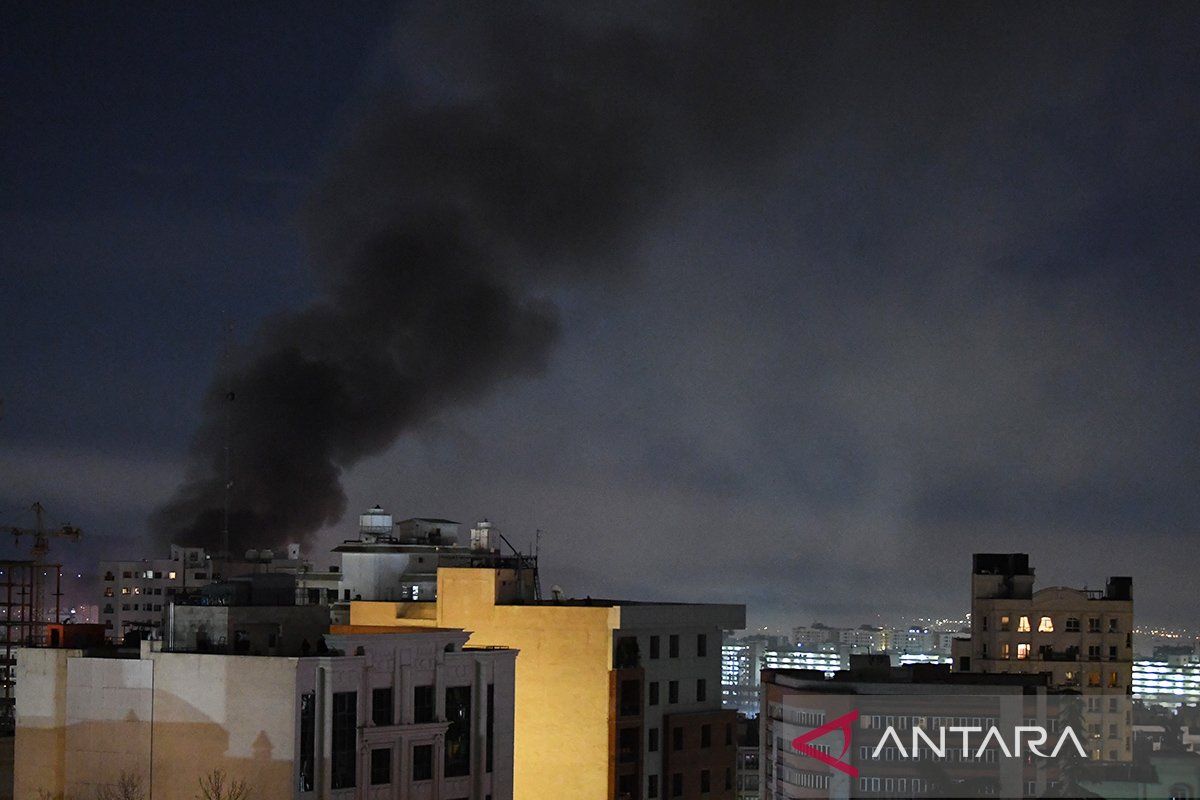
As prices rise amid heightened tensions in the Middle East, the International Energy Agency (IEA) has recommended the release of 400 million barrels of oil from reserves, the largest action in the IEA’s history.
Paris (ANTARA) – The IEA Executive Director Fatih Birol stated on Wednesday, 11 March, that the agency recommended the release of 400 million barrels of oil from reserves, the largest action in the IEA’s history.
“All 32 member states unanimously agreed to make 400 million barrels of oil available to the market from their emergency reserves,” Birol said at a press conference.
The release of oil reserves will be implemented within timeframes adapted to the national conditions of each member state, he added.
According to Birol, the IEA Secretariat will provide further details on how this collective action will be implemented in due course, and the agency will continue to closely monitor global oil and gas markets.
IEA member states hold emergency reserves exceeding 1.2 billion barrels, with an additional 600 million barrels of industrial stock held under government mandate.
The IEA disclosed that conflicts in the Middle East have disrupted oil flows through the Strait of Hormuz, with crude oil and refined product exports currently down to less than 10 percent of pre-conflict levels.
The emergency oil reserve release was decided ahead of an online meeting of Group of Seven (G7) leaders scheduled for later that day to discuss the economic consequences of the conflict involving the United States, Israel, and Iran.
The G7 energy ministers, under French leadership, held a video conference meeting on Tuesday, 10 March, amid increasing volatility in oil prices. On Monday, 9 March, the price of Brent crude oil, the international benchmark, rose to around 119 US dollars (1 US dollar = IDR 16,867) per barrel, the highest level since mid-2022.
In a statement released earlier on Wednesday, the ministers stated that they fundamentally supported the implementation of proactive measures to address the situation, including the use of strategic reserves.