
IEA, IMF, World Bank: Energy and fertiliser prices may remain high
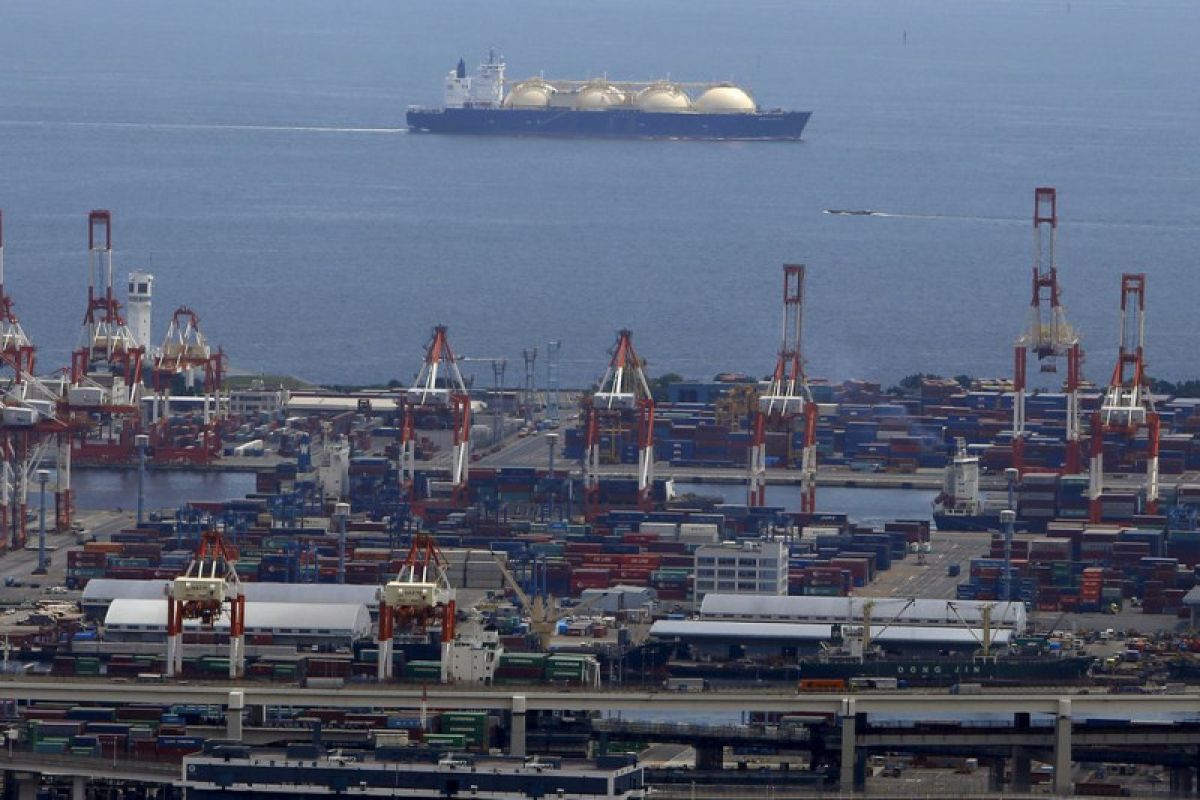
Istanbul (ANTARA) - The International Energy Agency (IEA), International Monetary Fund (IMF), and World Bank Group, on Monday (13/4), warned that fuel and fertiliser prices could remain high for a long time. According to them, prices will stay elevated even if shipping flows through the Strait of Hormuz return to normal, due to damage to supply chains and delays in restoring global commodity flows. In a joint statement, the three institutions said the impact of the war in the Middle East is “substantial, global, and highly asymmetrical”, disproportionately affecting energy importers, particularly low-income countries. They stated that the shock has driven up prices of oil, gas, and fertilisers, increasing concerns about food security and job losses, while some producers in the region have also suffered major losses in export revenues. The statement said shipping through the Strait of Hormuz has not yet normalised and warned that even after flows return to normal, it will take time for global supplies of major commodities to recover to pre-conflict levels. It was also mentioned that shortages of essential inputs caused by supply disruptions could extend to the energy, food, and other sectors, while forced displacement, sluggish job markets, and declines in travel and tourism may also take time to recover. “We are sharing our latest assessments ahead of the release of the IEA’s monthly Oil Market Report and the IMF’s World Economic Outlook on Tuesday, 14 April. We are also discussing the situation of the countries most affected by this shock and the responses from our institutions,” the statement said. “Our teams are working closely together, including at the country level, to leverage each other’s expertise and help countries through tailored policy advice and, in the case of the IMF and World Bank, financial support if needed,” the statement said. The institutions said they will continue to coordinate support for member countries and monitor the war’s impact on global energy markets and economies. The statement emphasised close monitoring of the war’s effects on energy, the global economy, and individual countries, as well as coordination of responses and support for members, working with other international organisations to promote resilient recovery, stability, growth, and job creation.