
IEA: Global oil consumption begins to fall amid Middle East crisis
Moscow — Global oil consumption is already beginning to decline amid the crisis in the Middle East, according to Fatih Birol, Executive Director of the International Energy Agency (IEA), on Thursday.
‘We are seeing global oil demand start to fall. If prices rise even higher, the decline will become more pronounced,’ Birol said at an event hosted by Chatham House.
Birol added that the global oil market could face an even tougher situation next summer if the Strait of Hormuz does not reopen.
‘The issue is that from late June into early July, the holiday season begins. What does that mean? Typically, oil demand and consumption rise. As a result, oil stocks wane, while no new oil supplies from the Middle East come to market… This could be difficult and we may enter the Red Zone,’ he explained, commenting on transport disruptions from the Persian Gulf.
According to Birol, the current crisis has become larger than the sum of all energy crises experienced previously.
He added that the market has lost around 14 million barrels of oil per day. By way of comparison, during the oil shocks of the 1970s, disruptions peaked at about 10 million barrels.
Additionally, gas supply losses have now exceeded 130 billion cubic metres.
The market is entering this crisis with a cushion of oil surplus and high inventories, which initially helped dampen the shock. However, that cushion is slowly running out. Birol noted that IEA member countries have released their emergency reserves onto the market, while some countries have also reduced consumption.
Nevertheless, all these measures have been deemed insufficient.
‘The only most important solution to this issue is a full and unconditional reopening of the Strait of Hormuz,’ he stressed.
On 28 February, the United States and Israel conducted strikes against several targets in Iran, causing damage and civilian casualties.
On 7 April, Washington and Tehran announced a two-week ceasefire.
Further negotiations held in Islamabad ended without an agreement, and Trump extended the cessation of hostilities to give Iran time to prepare a ‘comprehensive proposal.’
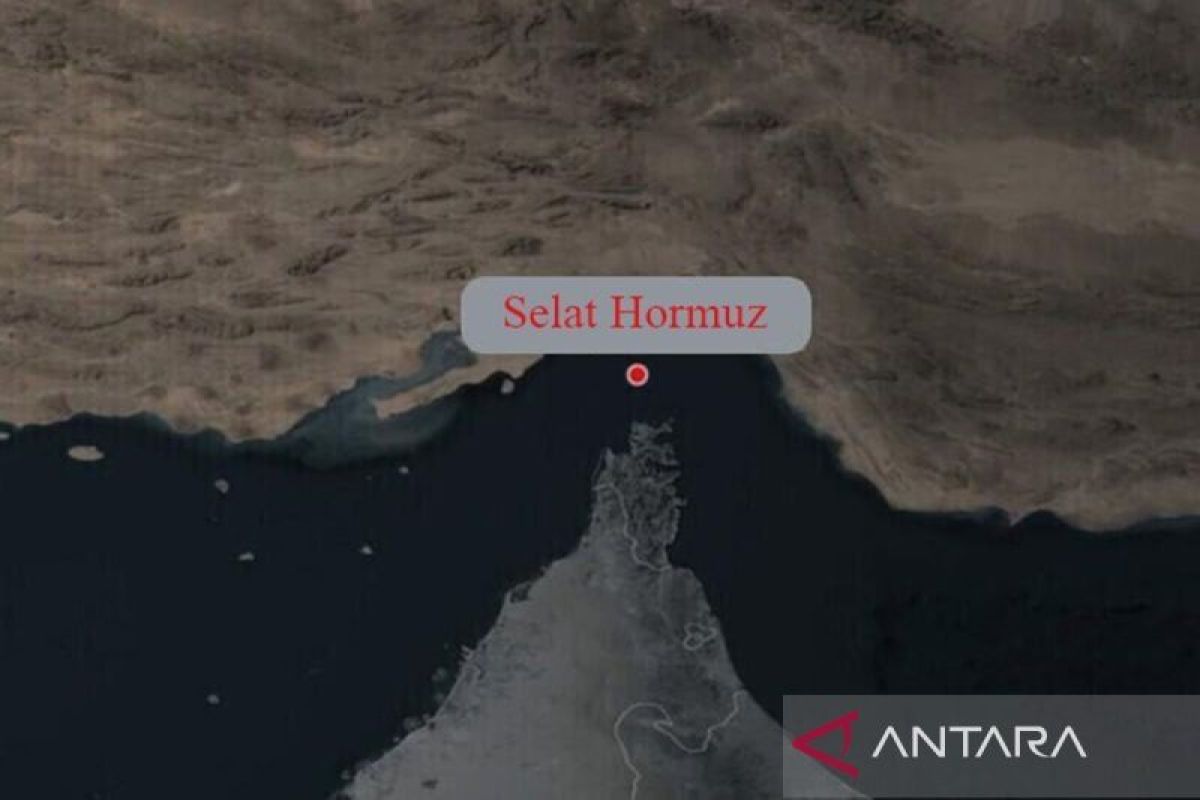
The escalation around Iran has triggered a de facto blockade of the Strait of Hormuz, the main route for global oil and LNG supplies from the Persian Gulf to markets worldwide.
That situation also directly impacts oil exports and production.
As a result of the blockade, many countries around the world are facing higher fuel prices and higher prices for industrial goods.