
IEA: Damage to Middle East Energy Assets Disrupts Global Supply Chain
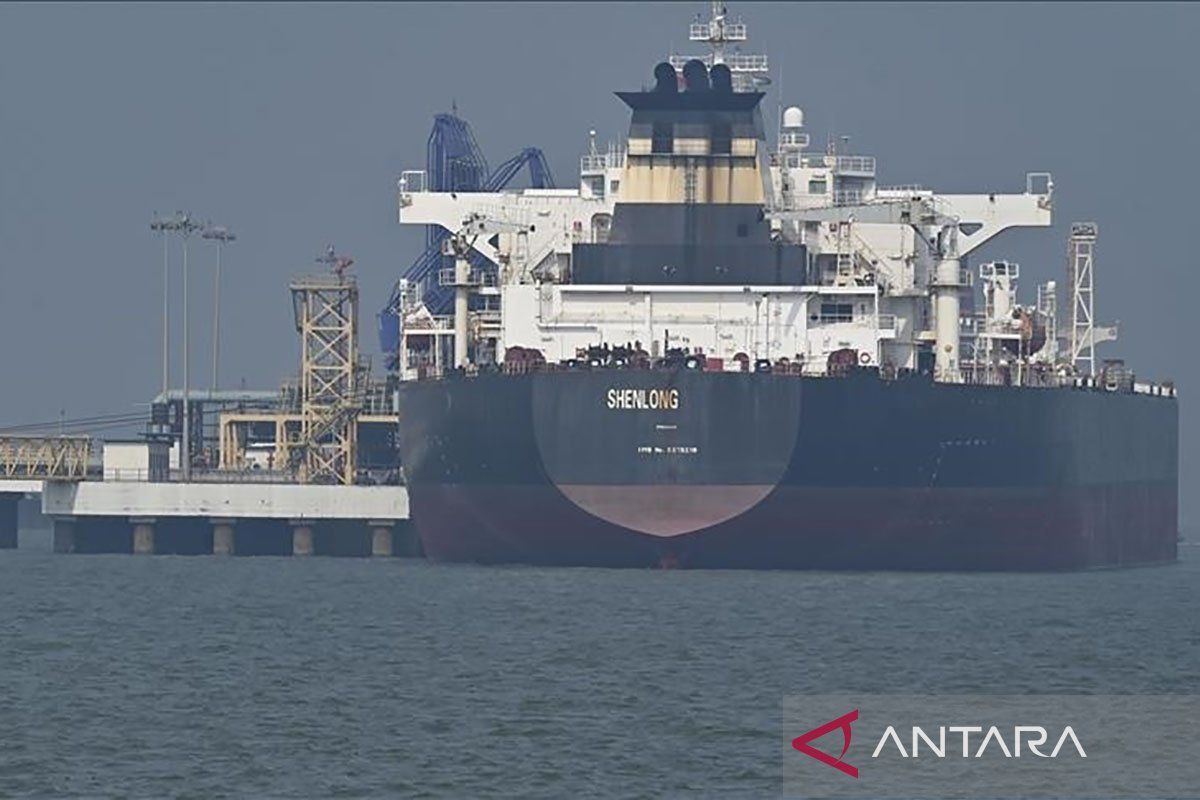
Ankara - More than 40 energy assets in nine countries in the Middle East have experienced “severe or very severe” damage amid the ongoing conflict, according to the International Energy Agency (IEA), as cited by media on Sunday.
IEA Executive Director Fatih Birol stated that this damage could extend disruptions to the global supply chain even after the conflict ends.
“It will take time for oil fields, refineries, and pipelines to resume operations,” he said.
Birol noted that the conflict, lasting more than three weeks, has disrupted the entire energy supply chain and nearly halted shipments through the Strait of Hormuz.
He described the impact of these disruptions as resembling “the two major oil crises of the 1970s and the natural gas crisis around 2022 combined.”
“Not only oil and gas, but several vital arteries of the global economy… their trade is all disrupted,” he added.
Birol warned that Asia is particularly affected due to its dependence on regional energy supplies.
“Every country first considers its own domestic interests, but… serious export restrictions without clear reason may not be something that scores points,” he said.
The IEA plans to release 400 million barrels of oil from emergency reserves to mitigate the supply shock, he said, adding that additional reserves could be released if disruptions persist.
Nevertheless, Birol emphasised that reopening the Strait of Hormuz remains crucial for restoring global energy flows.
Shipments through the Strait of Hormuz began to be disrupted in early March following joint US and Israel strikes on Iran. Approximately 20 million barrels of oil typically pass through it daily, and the disruption has increased shipping costs and driven global oil prices to soar.
The US-Israel strikes on Iran, which began on 28 February, are reported to have killed at least 1,300 people, including the then Supreme Leader, Ali Khamenei.
Iran has retaliated with drone and missile attacks targeting Israel, Jordan, Iraq, and Gulf countries hosting US military assets.
Source: Anadolu