
Ideal Times for Prayers During Ramadan
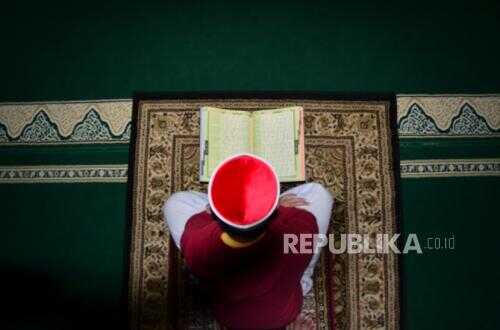
Supplication is the petition of a servant to his Lord. Allah commands Muslims to supplicate only to Him. ‘And when My servants ask you about Me, say that I am indeed near; I respond to the call of the supplicant when he prays to Me’ (Quran, Surah Al-Baqarah: 186).
Ramadan is a month full of blessings. Those who fast during this month should pray abundantly.
While observing the fast, a person is inclined toward goodness. Not only are sins avoided, even halal deeds are given up to safeguard the perfection of the fast.
Scholars say there are at least three principal times when prayers are accepted in Ramadan.
During the fast.
Linguistically, fasting is called shaum in Arabic. Shaum means imsaak, that is ‘to restrain.’
According to Shariah, fasting is worship of Allah by abstaining from eating, drinking, and all things that invalidate it, from dawn until sunset.
In Ramadan, Muslims carry out fasting for the full day. The Prophet Muhammad (peace be upon him) stated that at that moment, prayers tend to be readily accepted by Allah the Exalted.
From Abu Hurairah, the Messenger of God (peace be upon him) said: ‘Three people whose prayers are not rejected: a just ruler, a person who fasts until he breaks his fast, and the one who is oppressed.’
Imam Nawawi in Al-Majmu’ said: ‘For the one who is fasting, it is recommended to increase prayers for both their worldly and Hereafter affairs. He may also pray for legitimate needs that he desires.’