
idEA submits recommendations for efficient implementation of PP Tunas regulation
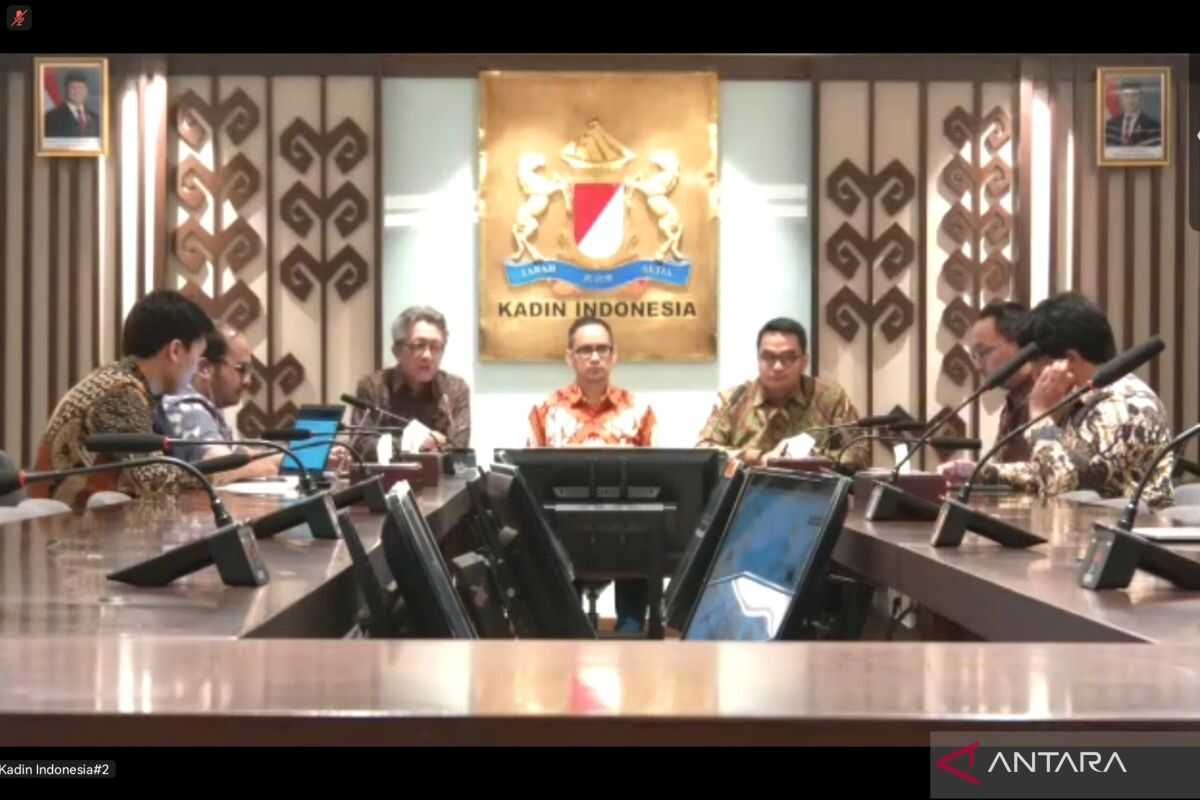
Jakarta – The Indonesian E-Commerce Association (idEA) has submitted several recommendations to the government to ensure that the implementation of Government Regulation No. 17 of 2025 on Electronic Systems Governance for Child Protection (PP Tunas) can be efficient and aligned with the growth of innovation in Indonesia’s digital economic ecosystem.
These recommendations were submitted by the association after observing that the development of implementing regulations for PP Tunas, currently being prepared, is still not adequately accommodating the needs of digital economy ecosystem players.
“First, regarding tiered and proportional risk classification. We recommend adopting a tiered or score-based system so that the classification better reflects actual risk profiles, in line with evidence-based approaches, safety by design principles, and global practices,” said idEA Chairman Hilmi Adrianto during a virtual press conference held by KADIN on Friday.
This first recommendation was submitted by idEA in response to provisions in the draft implementing regulation for PP Tunas regarding risk assessment for Electronic System Operators (PSE), which is considered too rigid because its indicators are limited to binary features and data.
Hilmi stated that the government should adopt a principles-based approach in the implementing regulation of PP Tunas when assessing risks for PSE operators.
“The characteristics and business models of each platform need to be examined more carefully in a proportional manner so that the assessment focuses on the effectiveness of mitigation against each risk and reasonable measures that have been taken, rather than solely on a list of rigid technical features,” he said.
The next recommendation concerns the age verification mechanism applied to PSE operators. idEA believes that age verification provisions in the draft implementing regulation for PP Tunas should be applied not only to PSE operators but also to operating system owners or application stores installed on devices, so that both work together complementarily.
“The aim is to be mutually complementary, increase effectiveness, and avoid repetitive technical burdens,” Hilmi explained.
idEA hopes the government will involve partners more broadly in preparing the implementing regulation for PP Tunas so that the resulting regulations can protect children whilst promoting digital economic growth in Indonesia.
Finally, idEA also noted that if the implementing regulation for PP Tunas is enforced, PSE operators should be given a transition period to prepare for all changes outlined in the regulation.
“We recommend providing a minimum transition period of 12 months so that implementation can be carried out through inter-ministerial coordination and industry involvement based on open and data-driven processes,” Hilmi concluded.
PP Tunas was formally introduced in Indonesia in March 2025, and is scheduled to take full effect in March 2026. The government is currently completing the provisions to implement PP Tunas by preparing draft ministerial regulations for the implementation of PP Tunas. Public consultation has been conducted in preparing these regulations.