
IDAI Recommends Six Strategic Steps to Address Measles Crisis in Indonesia
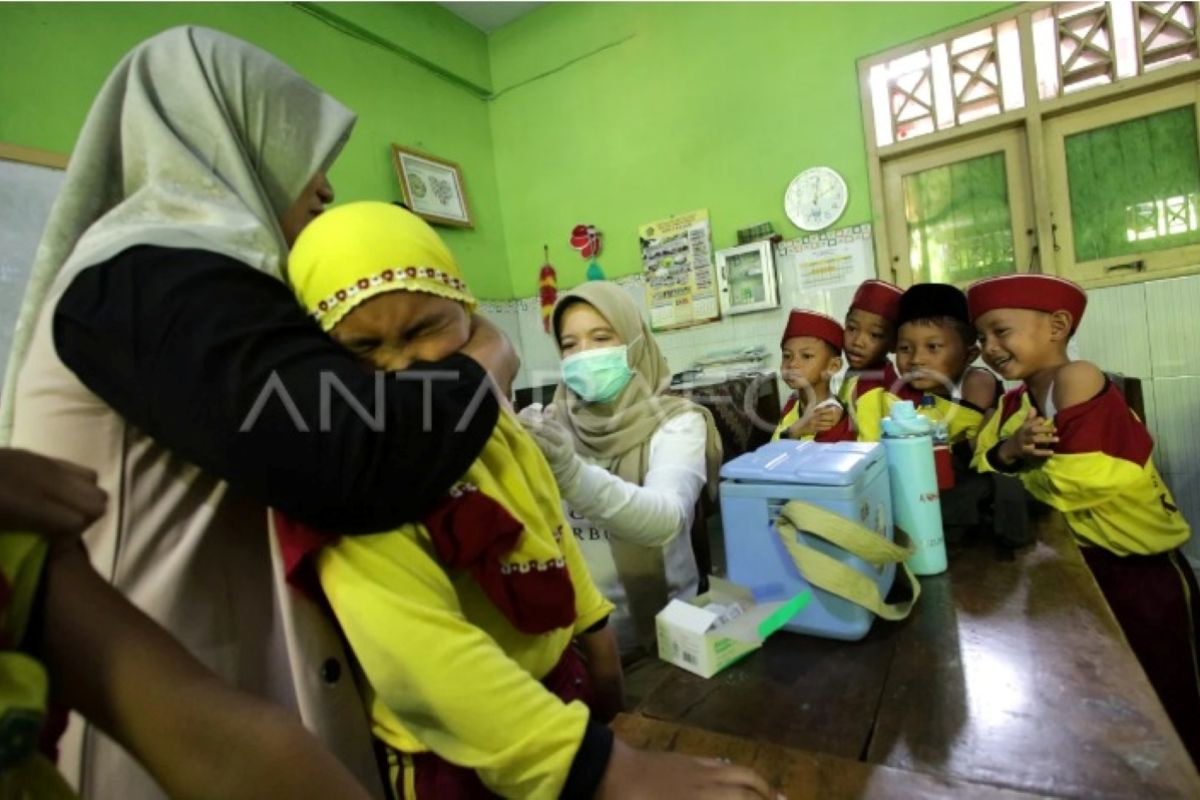
Jakarta — The Indonesian Paediatric Association (IDAI) has recommended six strategic steps to address the measles crisis, ranging from accelerating immunisation to case management protocols, given that by week 7 of 2026, there were 8,224 suspected cases, 572 confirmed cases, and 4 deaths.
Piprim Basarah Yanuarso, chairman of IDAI’s Central Board, stated that in 2025, there were 63,769 suspected measles cases with 11,094 confirmed cases and 69 deaths. Globally, Indonesia ranks second in measles cases with 10,744 cases, behind Yemen and ahead of India, according to WHO data released by the Centres for Disease Control and Prevention (CDC) in February 2026.
“This emergency situation requires extraordinary steps from all stakeholders,” he said in Jakarta on Tuesday.
The six recommendations are as follows:
First, accelerating immunisation by completing routine immunisation coverage, particularly measles-rubella vaccination for all children aged 9 months to under 15 years. Healthcare workers must also ensure they have received complete MR/MMR immunisation.
Second, strengthening the capacity and availability of laboratory diagnostic facilities for measles and rubella to support surveillance activities and diagnostic confirmation.
Third, strengthening measles case management. Piprim explained that measles management is supportive and symptomatic since there is no specific antiviral treatment. Supportive care includes adequate rest, proper nutrition and fluid intake, isolation to prevent transmission, and vitamin A supplementation according to WHO recommendations.
“Symptomatic treatment includes antipyretics (paracetamol 10-15 mg/kg/dose every 4-6 hours for fever) and cough medication if needed. For mild conjunctivitis, eye care with clean, dilute saline eye drops is sufficient,” he said.
“Antibiotics are given if there is secondary infection such as pneumonia or otitis media, or for severe infections like sepsis or septic shock. Skin care must ensure the skin remains clean and dry. Monitor signs of secondary infection such as cellulitis or other soft tissue infections,” he added.
Hospital admission is indicated when complications occur, such as pneumonia, dehydration, malnutrition, first seizure or complex febrile seizure or encephalitis, infants under 6 months of age, or immunocompromised patients.
Fourth, implementing infection control measures and isolation of measles patients in hospitals, applying infection precautions, patient cohort management, and restricting vulnerable individuals.
Fifth, strengthening surveillance of immunisable diseases, particularly measles and rubella. Paediatricians should report measles cases to local health authorities through case-based surveillance.
Sixth, communication and education of the public and stakeholders regarding the dangers of measles and potentially fatal complications. This can be conducted by IDAI members, particularly trained immunisation champions and active members on social media platforms.