
IDAI recommends children stay indoors during Godzilla El Niño phenomenon
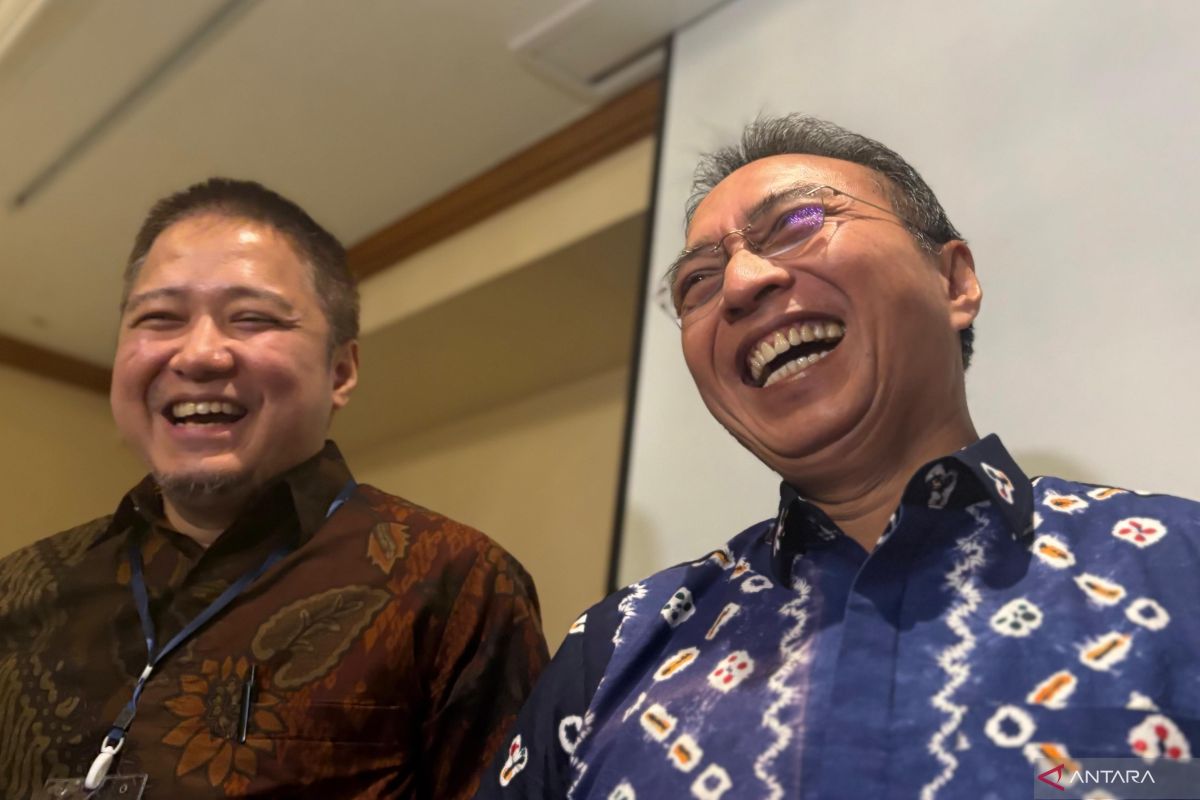
Jakarta (ANTARA) - The Indonesian Paediatric Society (IDAI) recommends that children engage in more indoor activities during the natural phenomenon of the Godzilla El Niño. “In general, it might be best for children to stay indoors a lot. During extreme weather, whether high heat or high rainfall,” said the Chair of the IDAI Central Board, Dr. Dr. Piprim Basarah Yanuarso, Sp.A, Subsp. Kardio (K), during a media gathering in Jakarta on Monday. Piprim stated that extreme weather such as prolonged dry spells risks weakening the body’s resistance and making children feel tired quickly. “Young children tire quickly; adapting to this extreme environment requires a lot of energy,” said Piprim. Staying indoors will greatly help parents in supervising and avoiding various diseases. Even if outdoors, parents need to prepare various equipment, such as raincoats or umbrellas, as a form of anticipation for sudden weather changes. One type of recommended food is that containing animal proteins such as chicken, meat, eggs, fish, and chicken liver. “Children’s nutrition also needs to be improved, for example through animal proteins so that children can be fitter in facing extreme weather like this,” he added. For children who want to sunbathe under the sun, Piprim advises parents to apply sunblock to the child’s skin and wear clothing and eye covers, especially for newborns, so that the still-thin skin layer is not damaged. Parents also need to pay attention to the child’s health before deciding to allow sunbathing in the morning sun. Previously, the name “Godzilla” was popularised by a NASA scientist named Bill Patzert in 2015 to describe a very strong and widespread-impact El Niño. Indonesia may experience low cloud cover and rain. However, the impacts may not be uniform across all regions of Indonesia. Therefore, BRIN invites related ministries/institutions to mitigate by considering the drought impacts in southern Indonesia and flood impacts in northeastern Indonesia (Sulawesi, Halmahera, Maluku). Meanwhile, the Meteorology, Climatology, and Geophysics Agency (BMKG) states that the 2026 climate conditions have the potential to be drier than normal. There are indications that the dry season will arrive earlier and last longer. BMKG Head Teuku Faisal Fathani on Tuesday (7/4) conveyed that the ENSO condition is still in a neutral phase, but in the second semester of 2026, it is predicted to develop towards a weak to moderate El Niño with a probability of around 50–80 percent. “It needs to be understood that dry season and El Niño are two different phenomena. The dry season is a climatological cycle, but if it occurs together with El Niño, rainfall will be much reduced and conditions will be drier,” he said.