
IDAI Recommendations to Prevent Hantavirus Entry into Indonesia
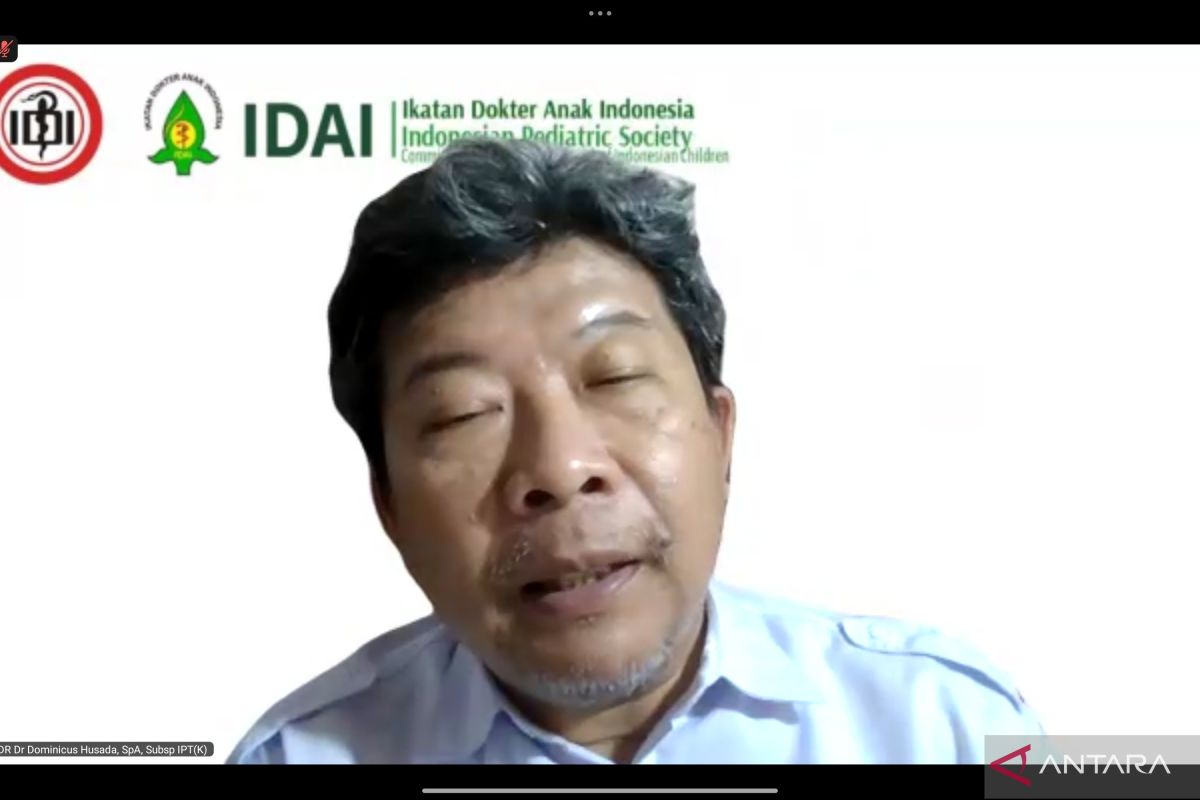
Jakarta (ANTARA) - The Indonesian Paediatric Society (IDAI) has shared several recommendations with the government to prevent hantavirus from entering and infecting the Indonesian population. “If we want to protect (the country from transmission), the focus should be on people from Latin America because the virus is only found there,” said Prof. Dr. Dominicus Husada, dr., DTM&H., MCTM(TP)., Sp.A., Subsp.IPT., CTH, a member of IDAI’s Tropical Infectious Diseases Coordinating Unit, during an online discussion in Jakarta on Friday. The Professor of PD3I Medical Sciences at Airlangga University assessed that the first step needed is to strengthen monitoring and screening of foreign nationals entering at national gateways such as airports or ports. Monitoring should focus on individuals arriving from or who have visited areas with many Andes cases, such as South America, Argentina, and Chile. For sick individuals, examinations are very necessary. In this regard, the government is expected to improve laboratory quality to accelerate early diagnosis, considering that no vaccine exists for hantavirus to date. The government is also expected to implement strict rules and standards so that every foreign cruise ship entering Indonesian waters can comply. He cited countries like Singapore, which have strict protocols where infected individuals are required to undergo quarantine and a series of tests until results are negative before being allowed to leave. For cruise ship operators, he hopes to further enhance hygiene standards, such as preventing food poisoning from certain ingredients. Nevertheless, Dominicus believes that ships from developed countries like the US and Europe already have excellent facilities, providing travel medicine and health mitigation during tourism. Clean rodent droppings and urine with disinfectant, ensure homes are rodent-free, and avoid dusty areas often inhabited by rodents. “It’s better to prepare person by person, family by family. As mentioned earlier, the key is clean and healthy living behaviour, which everyone can do and is inexpensive,” he said. On that occasion, Dominicus also conveyed that the risk of human-to-human hantavirus transmission is very low and different from COVID-19. He stressed that rather than worrying about hantavirus transmission, handling other diseases like measles and diphtheria in Indonesia requires more optimal attention because they are still found in several regions in Indonesia in recent times.