
IDAI: Negative Vaccine Rumours on Social Media Drive Drop in Child Immunisation
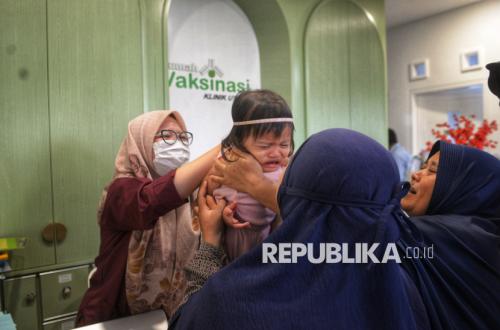
JAKARTA — The chairperson of the Indonesian Paediatricians Association (IDAI), Dr Piprim Basarah Yanuarso SpA, has stated that negative rumours about immunisation circulating on social media platforms are influencing parents’ decisions to withhold vaccinations from their children. According to Piprim, inaccurate information on social media is contributing to public hesitancy regarding immunisation programmes.
“Beyond the pandemic’s impact, there is also significant misinformation creating uncertainty. Social media platforms such as Instagram, Threads, Twitter and TikTok are all influencing public perception,” Piprim said on Thursday, 12 March 2026.
He reported that measles cases have resurged in Indonesia, resulting in child deaths. This escalation is attributable to inadequate vaccination coverage in several regions, preventing the establishment of herd immunity.
Piprim explained that measles cases in Indonesia had previously declined as immunisation coverage reached sufficiently high levels to protect young children. However, social media rumours creating vaccine-related fears have caused immunisation rates to fall again and triggered outbreaks.
“Measles is an extremely contagious disease. A decline in immunisation coverage of just 20 per cent can trigger an outbreak. When communities entirely reject vaccination, they become sources of virus transmission,” Piprim stated.
Piprim urged the public to regard measles as a greater threat than vaccine risks. He emphasised that measles can cause serious complications that endanger children’s lives.
He also advised parents to protect children from crowds ahead of the Eid holidays, particularly given the current measles outbreak situation. Children should also avoid unnecessary contact with unfamiliar individuals.
For additional protection, Piprim recommended that parents ensure infants and young children complete their vaccination schedules before Eid, particularly before large social gatherings, as a preventive measure against infectious disease transmission.