
Ibas Views Trenggalek's Catfish Farming as Important in the MBG Supply Chain
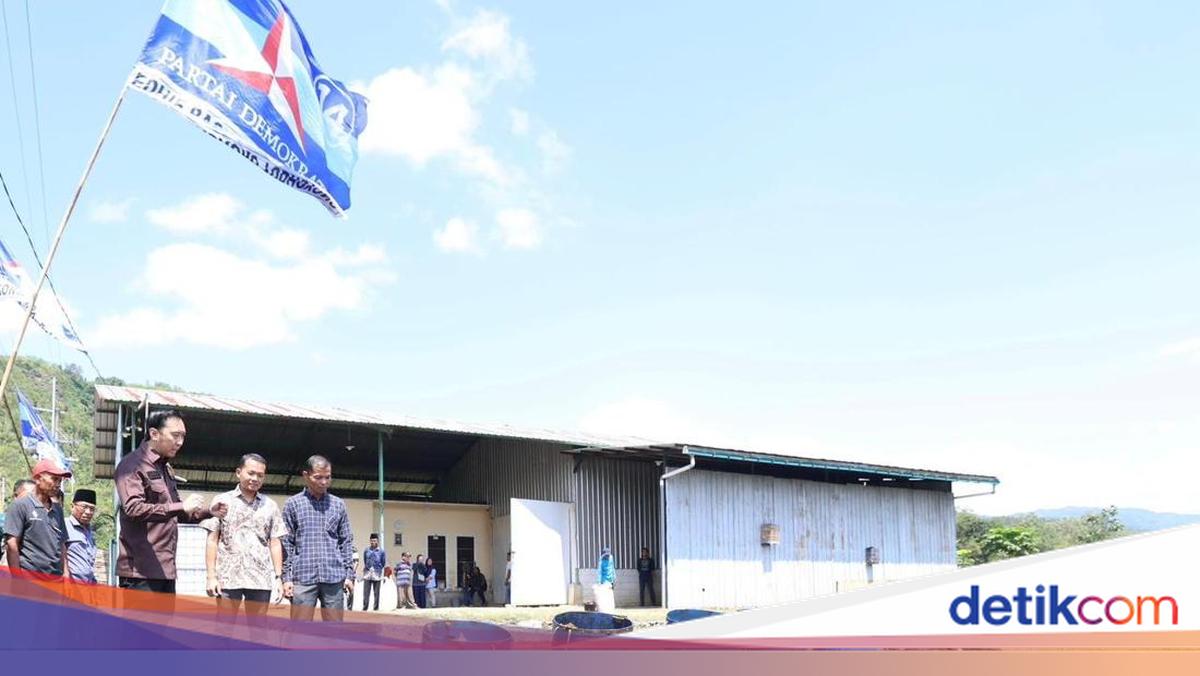
Expanses of catfish farming ponds in Sukowetan illustrate how village communities are building new hopes for family economies and regional food security. Amid morning harvesting and fish breeding activities, Ibas toured the pond areas and directly heard the aspirations of the farmers.
With a cultivation area of around 9 hectares and over 200 active ponds, local communities can now harvest catfish daily. In one cultivation cycle of approximately six months, the harvest from Trenggalek has been marketed to various regions in Indonesia, especially in the form of catfish fillets that command a higher selling price.
For the farming communities, catfish is not just a fishery commodity. Besides serving as a family income source, catfish is known for its high protein content, omega-3, and good nutrients for child growth and public health.
Ibas assessed that catfish farming plays a strategic role, not only for the village economy but also in supporting improvements to community nutrition quality.
“From these simple ponds, we see great hope. There is hard work from the community, a spirit of mutual cooperation, an economy in motion, and real contributions to meeting our community’s nutrition needs,” Ibas stated in his remarks on Monday (11/5/2026).
Ibas views catfish farming as having the potential to become an important part of the supply chain for the government’s Free Nutritious Meals (MBG) programme. According to him, local farming centres can serve as a quality animal protein source for schoolchildren while opening new economic opportunities for village communities.
“If villages can produce their own food, including animal protein like catfish, the benefits are immense. Our children can get good nutritional intake, while the community economy also grows. This is what we must continue to promote together,” he continued.
In dialogue with Ibas, the farmers conveyed several aspirations regarding the business challenges they face. Some of these relate to rising fish feed prices and the need for borehole assistance to maintain pond water supplies, especially during the dry season.
According to the farmers, adequate water sources are crucial for maintaining cultivation quality and the sustainability of catfish production, which has now become the mainstay of the village community’s economy.
In response to these aspirations, Ibas stated he would push the community’s needs to the relevant ministries and parties. He said support for basic farming facilities must continue to be addressed so that community businesses can develop more strongly.
“We want these fish farming communities to become increasingly independent and strong. Not just in terms of production, but also supporting facilities like water availability and independent feed development. If people’s businesses like this continue to grow, job opportunities will expand and community welfare will improve. We will push for the provision of boreholes,” Ibas emphasised.
The Deputy General Chairman of the Democrat Party also encouraged village communities to remain productive, creative, and bold in developing their regional potential. According to him, village-based economic empowerment is one important way to reduce poverty and create jobs.
“Don’t be afraid to start a business and don’t give up easily. Villages have great potential if managed together. When communities are productive and independent, the village will become stronger and community welfare will also rise,” Ibas concluded.
As a form of support for the farmers, Ibas handed over fish feed assistance to several catfish farming community groups in Sukowetan, Trenggalek.
For local residents, the visit represents attention to village community efforts that grow from hard work and a spirit of mutual cooperation. From the catfish ponds in Trenggalek, hopes are growing for food security, a moving people’s economy, and increasingly independent villages.