
Ibas Pushes Strengthening of Women's Role in Village Development
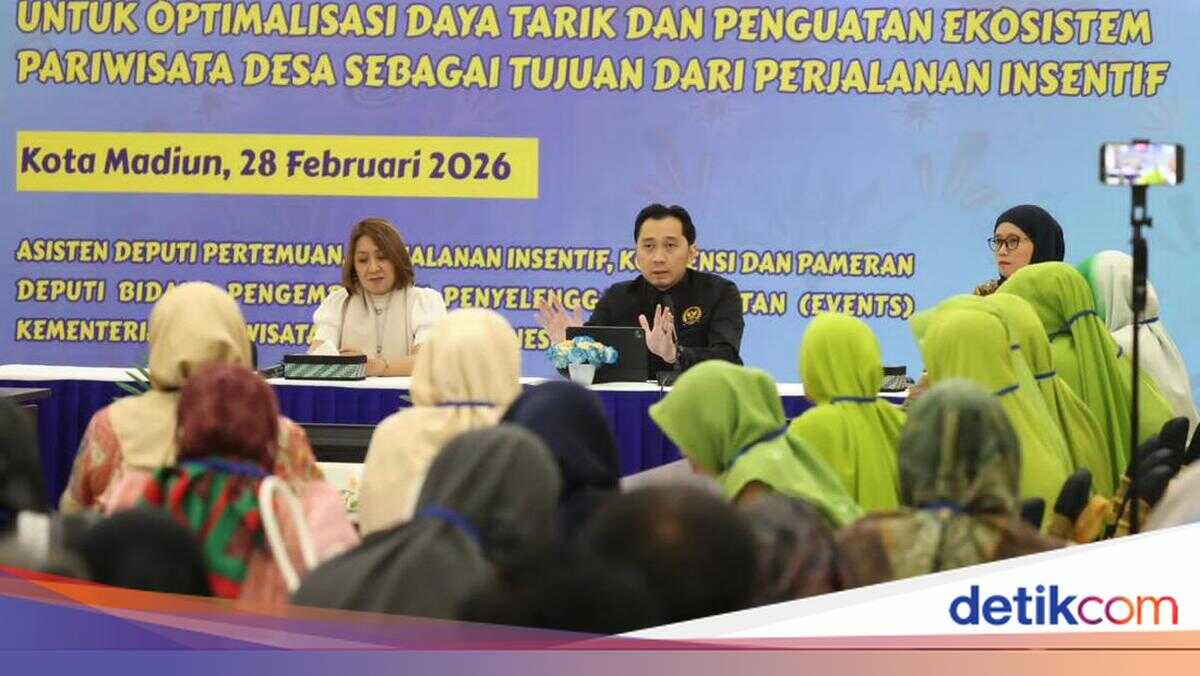
Deputy Speaker of the People’s Consultative Assembly (MPR) of the Republic of Indonesia and Chairman of the Democratic Party faction in the House of Representatives Edhie Baskoro Yudhoyono (Ibas) expressed his commitment to strengthening women’s roles as pillars of village development and drivers of household economics. This was conveyed during a technical guidance socialization for the Ramadan recess programme in East Java’s seventh electoral district (Dapil Jatim VII) 2026.
During the event themed “Ramadan Religiosity, Strengthening the Nation: Resilient, Empowered Women, and Prosperous Families,” Ibas noted that Ramadan is not merely ritual worship, but also a moment for character formation that strengthens integrity, discipline, and social solidarity.
“Fasting teaches patience, honesty, and compassion. Ramadan not only strengthens faith, but also strengthens unity, the economy, and families,” Edhie stated in his remarks on Sunday (1 March 2026).
Ibas also highlighted women’s role in economic development, including micro, small, and medium enterprises (UMKM). He cited data from the Central Statistics Agency (BPS) indicating that more than 64 per cent of UMKM entrepreneurs are women, whilst more than 50 per cent of Indonesia’s population are women. He suggested this demonstrates the significant potential of women as economic drivers, including in the village tourism sector.
However, he noted there remain challenges to be addressed, such as stunting, extreme poverty, low digital literacy, and limited access to financing and marketing.
Furthermore, Ibas outlined four commitments described as focal areas for regional strengthening. First, strengthening women’s economics through access to UMKM capital and creative economy, entrepreneurship training, and business and marketing digitalization.
Second, monitoring stunting reduction programmes through nutrition education, strengthening community health centres (posyandu), and collaboration with community organisations (PKK) and Islamic study circles. Third, enhancing digital literacy to support village tourism communities and drivers of village economic prosperity. Fourth, strengthening the values of the Four Pillars of the MPR RI as the foundation of national life.
Ibas also emphasised that empowering women through organisations and communities is key to transforming village tourism. According to him, technical guidance, training, strengthening marketing networks, and supportive policies can enable women to become drivers of family welfare and village advancement.
“If women are strong, families are strong. If families are strong, this nation is strong,” he said with optimism.
He also encouraged women to make Ramadan a moment for change and education towards a better future. He expressed support for developing village tourism in Dapil Jatim VII through policies that expand women’s access to training, financing, and infrastructure strengthening.
The event was attended by members of the provincial parliament, the head of a local tourism awareness group, representatives from Fatayat NU, Muslimat NU, Aisyiyah, Nasyiatul Aisyiyah, community organisation (PKK) members, Islamic study circle leaders, and local women leaders and community members.
During a dialogue session, participants raised aspirations for strengthening regional UMKM, ranging from the need for ongoing technical guidance for producers of Ponorogo speciality foods, provision of UMKM promotion spaces in strategic tourism areas such as the fortress and Trinil Museum, to strategies for local products to penetrate the national market.
Ibas assessed that UMKM development needs to be conducted continuously, based on regional needs, and strengthened through capacity building, branding, and creative promotion. He also emphasised the importance of inclusive tourism involving local communities as primary economic actors through collaboration between local government, communities, and business owners.
Ibas hopes the recess programme strengthens centre-region synergy, women’s organisations, and community groups in building a sustainable and equitable village tourism ecosystem. He also hoped this year’s Ramadan becomes a moment to strengthen collective efforts in building the nation.