
Hyundai holds vehicle prices despite rising plastic costs and production expenses
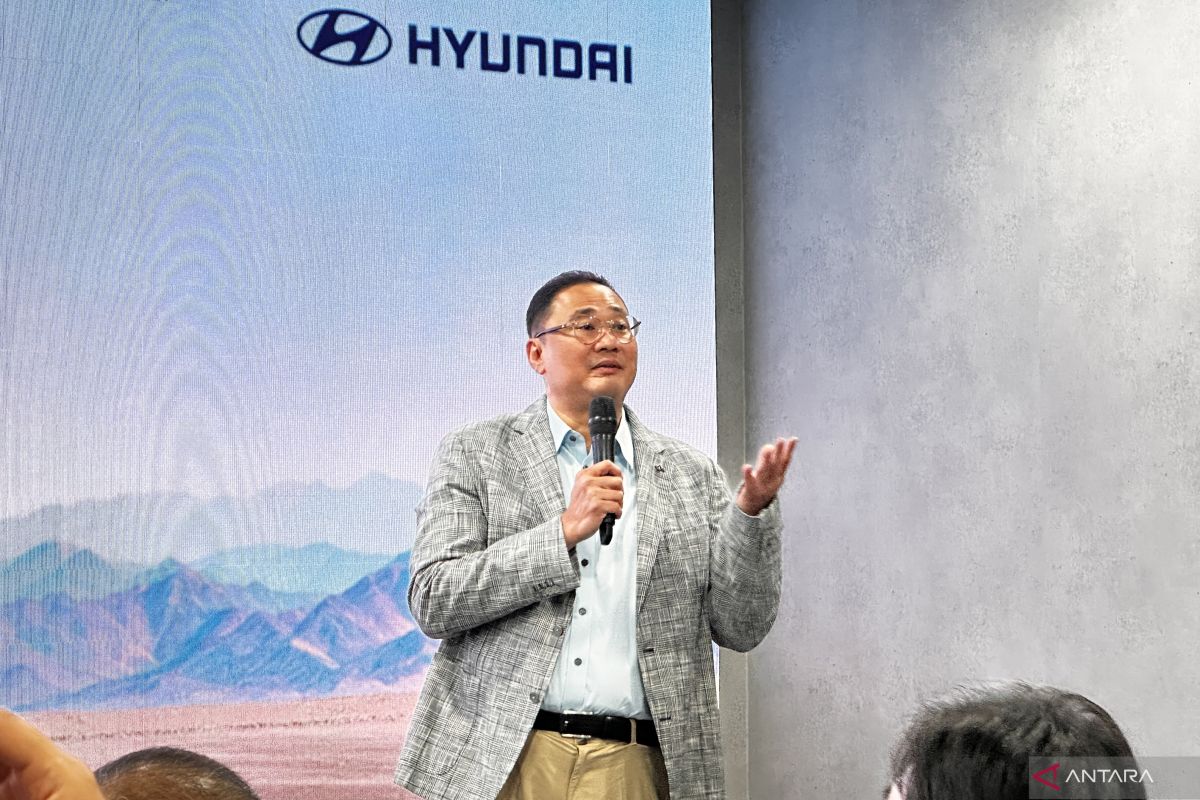
Jakarta (ANTARA) - PT Hyundai Motors Indonesia (HMID) has assured that it will not raise vehicle selling prices amid increases in several production cost components, including plastic prices and the weakening rupiah exchange rate. “So far, even though plastic prices are rising and the exchange rate is above Rp17,000, there are several other factors that have also increased, but Hyundai has been able to hold firm until now and we have no intention of raising prices,” said HMID Chief Operating Officer Fransiscus Soerjopranoto in Jakarta on Thursday. Hyundai stated that the production cost increases are being addressed through various internal efficiency measures. Improvements have been made in both manufacturing and distribution processes, so the impact does not need to be passed on to consumers or the dealer network. “This can perhaps be absorbed through some improvements in the manufacturing process and also in the distribution process, and it will not burden the dealers either,” Fransiscus said. Regarding how long this policy will be maintained, Hyundai emphasised that it will continue to strive for it as long as possible, considering consumer interests and the overall industry conditions. “We will continue to do so for our consumers, so that our automotive industry remains stable,” he added. Previously, plastic prices in Indonesia were reported to have surged dramatically, rising by around 30-70 percent and even reaching 100 percent in April 2026, mainly driven by supply disruptions of raw materials due to geopolitical conflicts in the Middle East. The central government is preparing several strategic measures to respond to the rise in plastic raw material prices and other commodities affected by global geopolitical dynamics, particularly conflicts in the Middle East region.