
Hypertension Doesn't Always Present Symptoms: Recognise Early Warning Signs
Headline
The overdue payment issue needs to be resolved first while considering the economic conditions.
The overdue payment issue needs to be resolved first while considering the economic conditions.
Hypertension is known as a “silent killer” because it often develops without significant symptoms until it triggers serious complications. Data from the World Health Organization states that approximately 1.28 billion adults aged 30–79 worldwide live with hypertension, and nearly 46 percent are unaware that they have the condition.
In Indonesia, the Ministry of Health through the 2023 Indonesian Health Survey (SKI) reported that the prevalence of hypertension remains high, including among the productive age group. This condition indicates that high blood pressure is not only a problem for the elderly but also a threat to young people.
Although it is often asymptomatic, several signs often appear but are overlooked.
Recurring headaches, especially in the back of the head in the morning, can occur due to increased pressure on the brain’s blood vessels. In addition, dizziness or a sudden feeling of lightheadedness can also be a sign of a surge in blood pressure.
Blurred vision should be watched out for because high blood pressure can damage the blood vessels in the retina and affect visual acuity. In some cases, nosebleeds without a clear cause can also occur due to the rupture of small blood vessels in the nose when pressure increases.
A racing heart or a heartbeat that feels faster and irregular can indicate an increased workload on the heart. Shortness of breath during light activity can also be a sign that hypertension is starting to affect heart function.
In addition, feeling tired easily and having difficulty concentrating can occur due to suboptimal blood flow to the brain.
According to the Centers for Disease Control and Prevention, blood pressure is considered high if it reaches or exceeds 130/80 mmHg. If left uncontrolled, hypertension can increase the risk of stroke, heart attack, kidney failure, and various other cardiovascular diseases.
Because it is often without clear symptoms, many sufferers only realise they have the condition after complications occur.
Prevention is the primary step in reducing the risk of hypertension. The WHO recommends limiting salt intake to less than 5 grams per day, at least 150 minutes of physical activity per week, maintaining an ideal body weight, and avoiding smoking and excessive alcohol consumption.
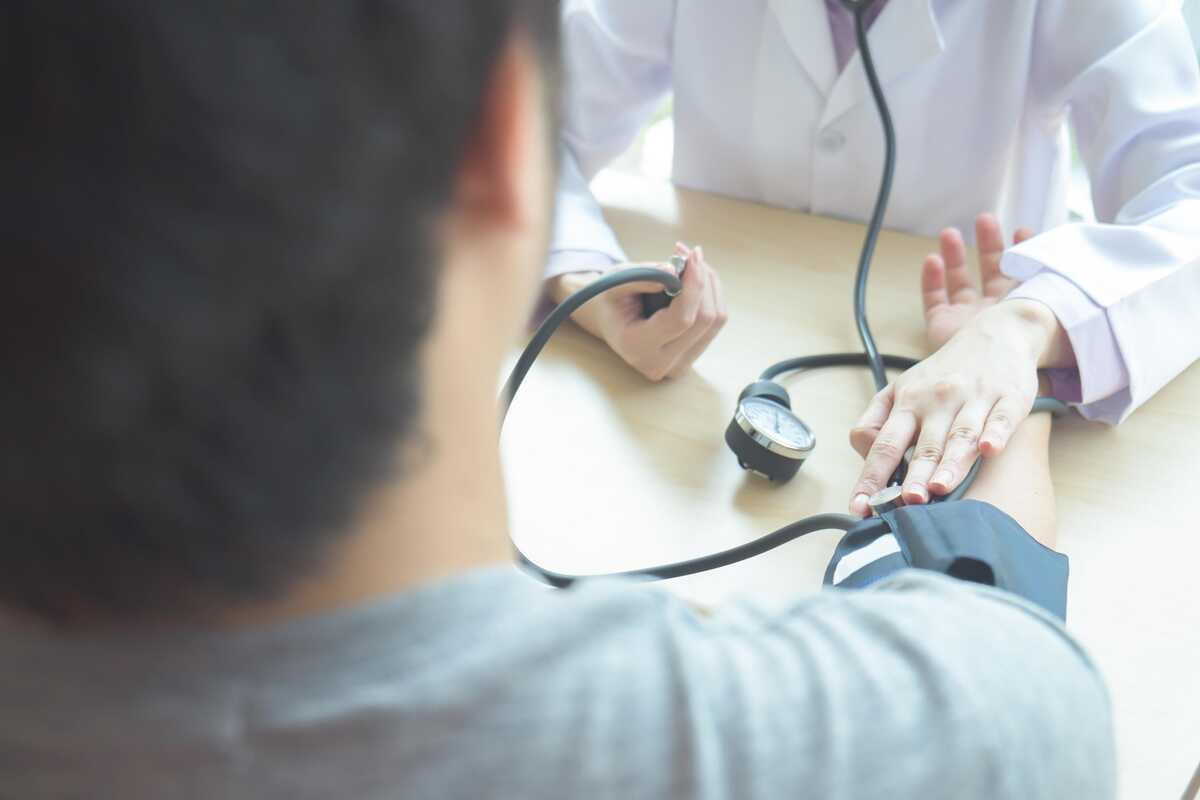
Regular blood pressure checks, even from the age of 20, are recommended to detect hypertension early. Periodic screening helps prevent complications that can be fatal.
Hypertension is often asymptomatic, but its impact is very serious. Recognising early warning signs and adopting a healthy lifestyle is an important investment in maintaining long-term health.
Source: World Health Organization, Centers for Disease Control and Prevention, Ministry of Health