
Hundreds of Palu City Cattle Cleared for Qurban Sacrifice
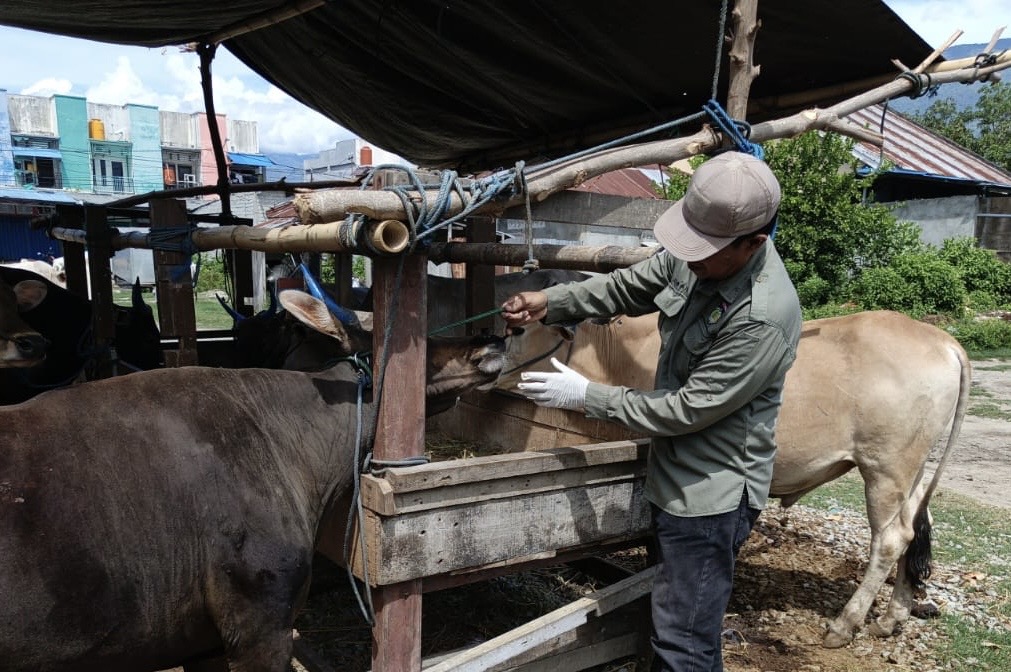
Palu City’s Agriculture and Food Security Agency has conducted health inspections on sacrificial animals at multiple livestock holding and sales locations across the city. The checks ensure that animals sold and prepared for the community meet health standards and are suitable for Qurban. Six inspection teams were deployed to check 11 livestock holding sites spread across Palu. The health checks ran from 21 to 22 May 2026, with 460 cattle inspected by the second day. The agency noted some holding locations may still be unaccounted for in the initial phase and has instructed all village heads to report local Qurban animal holding sites to broaden oversight. ‘This step ensures thorough and maximum health inspections,’ said Palu DPKP Head Lukman on Saturday (23 May). Most cattle at holding sites were declared healthy and fit for sacrifice based on evaluations. Current checks are ante-mortem, conducted before slaughter. Post-slaughter, the agency will perform additional ante-mortem checks and post-mortem examinations during Eid al-Adha and the following three days to ensure meat safety. The initiative is part of Palu City Government’s commitment to providing safe, healthy, whole, and halal (ASUH) sacrificial meat, ensuring a secure and comfortable Qurban experience for the public. (H-2) Banyumas Agriculture Department has coordinated with local butchers and held training sessions ahead of Eid al-Adha. Sukabumi City Mayor confirmed the grand mosque will proceed with traditional animal sacrifice. Yogyakarta’s Agriculture and Food Agency reported 1,718 animals inspected, including 127 cattle, 1,432 sheep, and 159 goats. Sibison will be delivered to Madinatul Iman Mosque or Balikpapan Islamic Centre on 27 May 2026, coinciding with Eid al-Adha. Digital Qurban savings services are being expanded to facilitate easier planning and distribution of the ritual. Some residents prefer buying directly from farms or farmers for lower prices and better quality. Solo City requires veterinary documents for incoming livestock to verify health and suitability from their origin. At Manonjaya Livestock Market, 254 cattle and buffaloes from Tasikmalaya, Ciamis, Banjar, Pangandaran, Cilacap, and Madura were recorded, with 46 sold.