
Hundreds of Indonesian Property Projects Worth Rp34.5 Trillion Stall: What’s Happening?
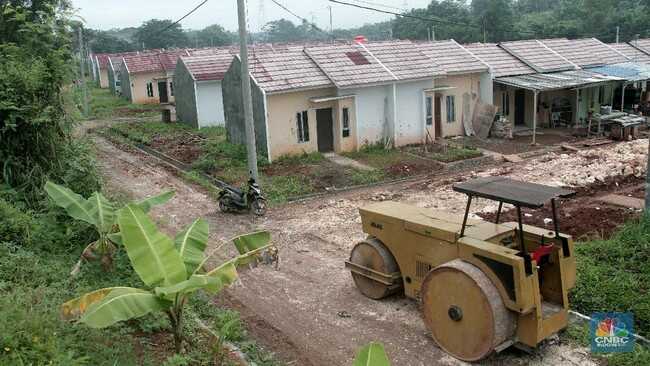
Jakarta, CNBC Indonesia - The national property sector is facing serious challenges again. Hundreds of housing projects being developed by developers are reportedly stalled due to various licensing issues, ranging from spatial planning to the status of Protected Rice Field land (Lahan Sawah Dilindungi, LSD). The Chairman of the Real Estate Indonesia Association (REI) Central Board (DPP) Joko Suranto revealed that the value of investment affected by these problems reaches tens of trillions of rupiah. Some projects already have basic permits, but cannot proceed due to cross-ministerial policies that are not yet harmonised. ‘Total Rp 30 trillion plus,’ Joko told CNBC Indonesia on Friday (6 March 2026). Based on REI mapping, the number of affected projects is substantial. Reports from some Regional Boards (DPD) indicate hundreds of property projects cannot be realised due to administrative and regulatory obstacles. REI data records at least 306 property projects from 16 DPDs that cannot move forward due to multi-layer licensing issues. The total land affected amounts to 6,178 hectares with potential investments around Rp34.5 trillion. Licensing problems faced by developers are not only related to LSD status. Some projects are also hindered by other licensing processes such as RTRW, AMDAL, and the OSS system that is not yet complete. The government is expected to strike a balance between policies protecting food land and the need for housing development, particularly because the property sector is a driver of the national economy. ‘If I follow the wording, freezing doesn’t seem right, because all ministries are expected to contribute to growth,’ he said. He notes that food security programmes are important, but such policies must not hinder other sectors that also make a large contribution to the economy. Moreover, Indonesia still faces a substantial housing backlog. The unmet housing need is estimated at almost 10 million units, so housing construction must continue to be encouraged. In addition to affecting investment, stalled projects also have the potential to slow large-scale job creation. If each project employs around 100 workers, then from the 306 delayed projects there is potential employment for more than 30,000 workers. REI has submitted data on these projects to the government, including the Ministry of ATR/BPN, for verification or data cleansing so that projects with existing permits can resume. ‘There are 181 projects already with KKPR (Kesesuaian Kegiatan Pemanfaatan Ruang), and we have sent them to the ATR Ministry for data cleansing,’ Joko explained. Legal certainty is the key to sustaining investment in the property sector. Without regulatory certainty, the business world faces risk of uncertainty that could hinder economic growth. ‘The business world needs legal certainty and legal protection. If those with permits cannot proceed, that means Indonesia is experiencing business uncertainty,’ Joko said.