
Humanoid Robots Transition from Testing to Deployment in China
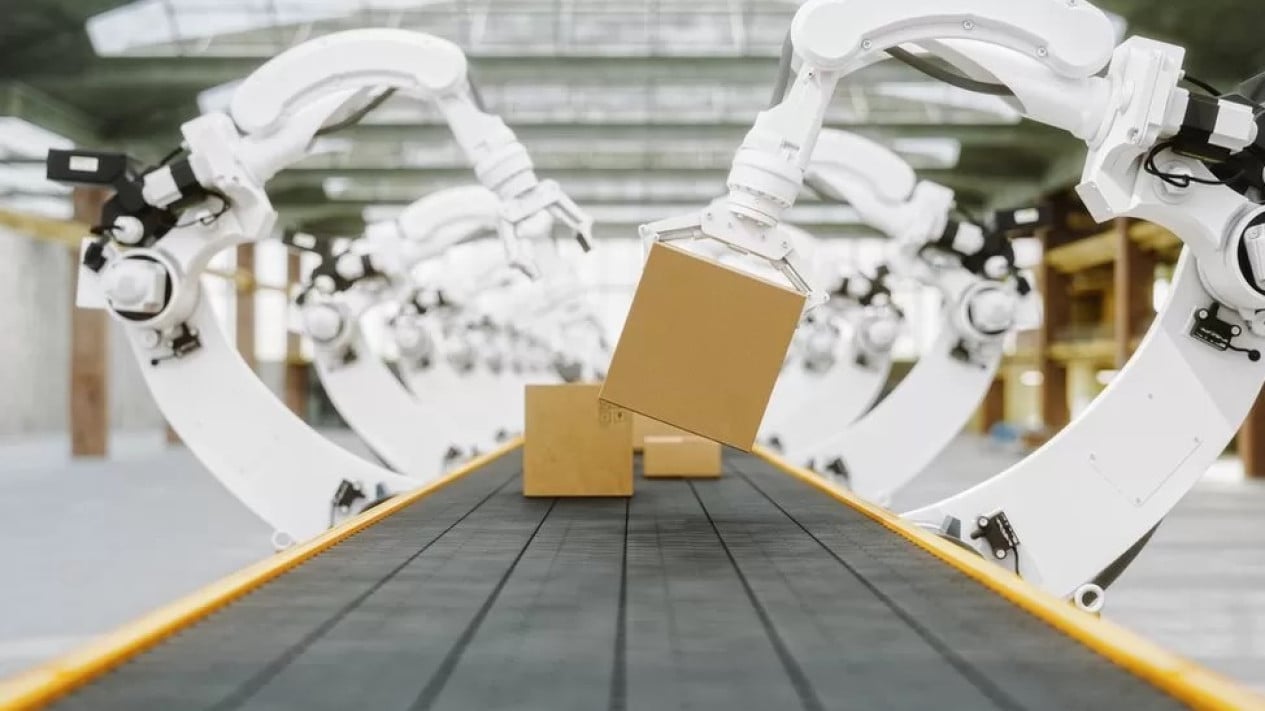
China has begun deploying humanoid robots at one of its largest logistics hubs to assist in package sorting. This move is part of the country’s efforts to modernise the logistics sector through increased automation and artificial intelligence.
The humanoid robots are used at the Jianggao logistics facility under Guangzhou Post in Guangdong Province. There, they work alongside automated robotic arms and driverless forklifts to handle millions of parcels daily.
According to Chinese state media reports, the humanoid robots can process up to 1,200 packages per hour. The Guangzhou logistics centre is one of the country’s largest shipping facilities.
On average, the facility handles around 6.5 million parcels daily, with peak periods exceeding 10 million packages in a single day. To manage such volumes, logistics operators are increasingly relying on automated systems that operate 24/7 with minimal human intervention.
“Humanoid robots retrieve packages from containers and place them on sorting lines, while autonomous forklifts move goods within warehouse areas,” reported Interesting Engineering on Sunday, 31 May 2026.
Unlike conventional industrial robots, which typically perform a single specific task, humanoid robots are designed to operate in environments originally built for humans.
These robots can navigate warehouse spaces, identify packages, interact with storage racks, and adapt to various tasks without requiring major facility layout changes.
The deployment of humanoid robots is part of China’s strategy to accelerate robotics industry development. In recent years, the country has consistently increased investment in robotics and artificial intelligence sectors.
Chinese companies are now competing to develop humanoid robots for various sectors, including manufacturing, logistics, public services, and elderly care.
Logistics is considered one of the most promising areas due to rising demand for parcel delivery driven by rapid e-commerce growth. Robots capable of automatically sorting, identifying, and moving packages are seen as key to reducing operational costs and improving efficiency.