
Humanoid robots cannot yet work as fast as humans in car factories
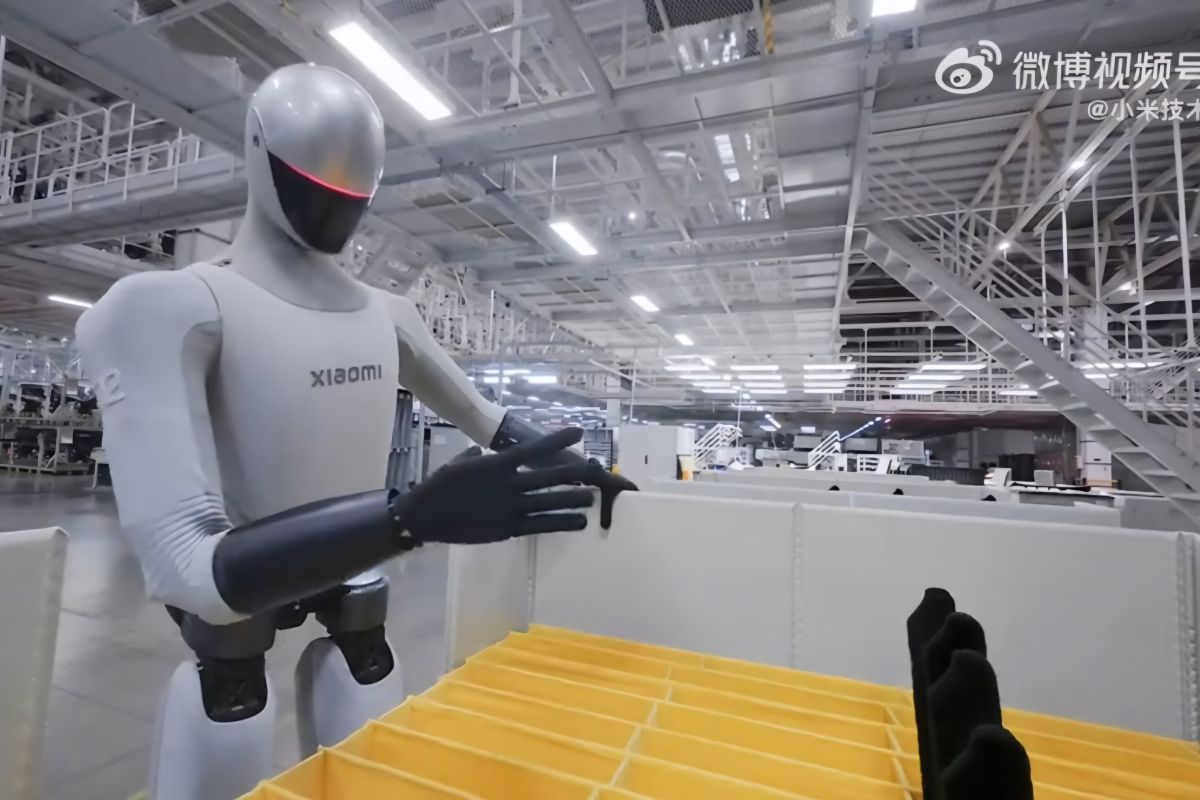
Humanoid robots are projected to revolutionise car production with their ability to handle tedious work without breaks or benefits, but trials of their use in automotive plants currently show that the robots’ performance is not yet efficient.
As quoted in a Carscoops report on Monday, BMW acknowledged that the humanoid robot being trialled at its plant in Spartanburg, South Carolina, United States, is still slower than human workers.
The robot made by Figure AI has been tested at BMW’s Spartanburg plant to move components from containers to trolleys. The robot can walk, pick up parts, and pull trolleys.
However, BMW Vice President of Logistics Ulrich Wieland told The New York Times that the humanoid robot’s work is still slower than that of humans.
Trials of humanoid robots in car factory operations are also being conducted by Mercedes-Benz, which is testing the operation of a humanoid robot made by Apptronik to handle and sort components.
Hyundai, the South Korean vehicle manufacturer that owns Boston Dynamics, also plans to use its robots to help organise parts for workers on the assembly line.
Tesla has greater ambitions for its Optimus humanoid robot, with a vision for deployment that extends beyond car assembly operations.
General Motors (GM) is experimenting with robots equipped with arms and hands, but without human-like walking capability, to support car factory operations.
GM Chief Product Officer Sterling Anderson previously stated that the function of hands in handling factory work is clear, but “the usefulness of legs is not yet clear.”
The efficiency and effectiveness of using humanoid robots in car factory operations remains a subject of debate.
Massachusetts Institute of Technology Industrial Performance Center Executive Director Ben Armstrong said humanoid robots could turn out to be a “multi-million dollar solution to a hundred-dollar problem.”
He told The New York Times that simpler automation could accomplish many repetitive tasks at a lower cost than humanoid robots.