
Humanitarian Intervention Principles Can Address Climate Change Refugee Issues
The principle of humanitarian intervention in international law can be utilised to address the emerging issue of refugees resulting from climate change. Indonesia has already demonstrated this approach by providing Galang Island to Rohingya refugees from Myanmar, and maintains a national commitment based on humanitarian principles in refugee management.
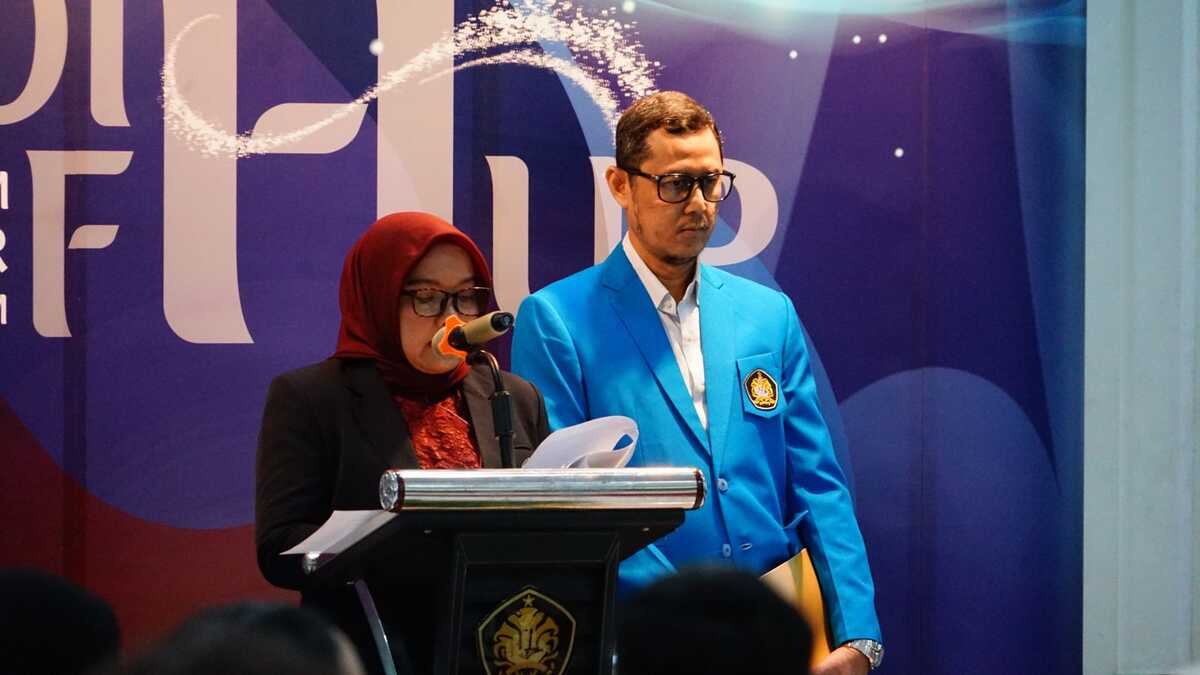
However, the determination of refugee status remains under the authority of UNHCR, the UN’s refugee agency, with receiving countries not being involved in the process, noted Rury Octaviani following her defence of a doctoral dissertation in Legal Science at Universitas Pancasila (UP) entitled “Concept of Protection for Climate Change Refugees Based on the Principle of Humanitarian Intervention According to International Law,” in Jakarta on Saturday, 28 February 2026.
Octaviani hopes her research will make an important contribution to the development of international law, particularly in formulating legal protection concepts for climate change refugees, which currently face a gap in global regulatory frameworks. This relates to the evolution of refugee movements in Indonesia and concerns that by 2050, several countries face the threat of global crisis and loss of territory due to climate change, creating refugee issues.
“Not only Indonesia is vulnerable; other nations such as Vanuatu are also at risk. Vanuatu has already called for international attention, warning that their country is in danger of sinking due to climate change,” she explained.
The Law Faculty’s Doctoral Programme in Legal Science at UP produced two additional doctoral graduates through doctoral promotion sessions held on 27–28 February 2026.
Previously, Didi Sunardi presented a dissertation on “Legal Reform Concerning Justice Collaborators in Criminal Offences to Provide Legal Certainty and Justice Based on the Pancasila Rule of Law.”
Raden Nanda Setiawan completed a doctoral dissertation titled “Reconstruction of the Prosecution Authority’s Powers in Handling Criminal Cases of Corruption in Procurement of Goods and Services Based on the Principle of Economic Analysis of Law.”
The open session was chaired by Prof Adnan Hamid, UP’s Rector, along with Prof Agus Surono, Head of the Doctoral Programme in Legal Science at UP, and Prof Eddy Pratomo as Chief Examiner, amongst other examiners.
Prof Adnan Hamid stated that the doctoral promotion sessions demonstrate the consistency of UP’s Doctoral Programme in Legal Science in producing legal academics and thinkers who can contribute meaningfully to national and international legal development.
Prof Agus Surono, Head of the Doctoral Programme in Legal Science at UP, added that this success reinforces UP’s position as a higher education institution committed to developing legal science based on Pancasila values, academic integrity, and responsiveness to contemporary legal dynamics.