
HPV Vaccine Proven Effective: Why Are So Many Still Unprotected?
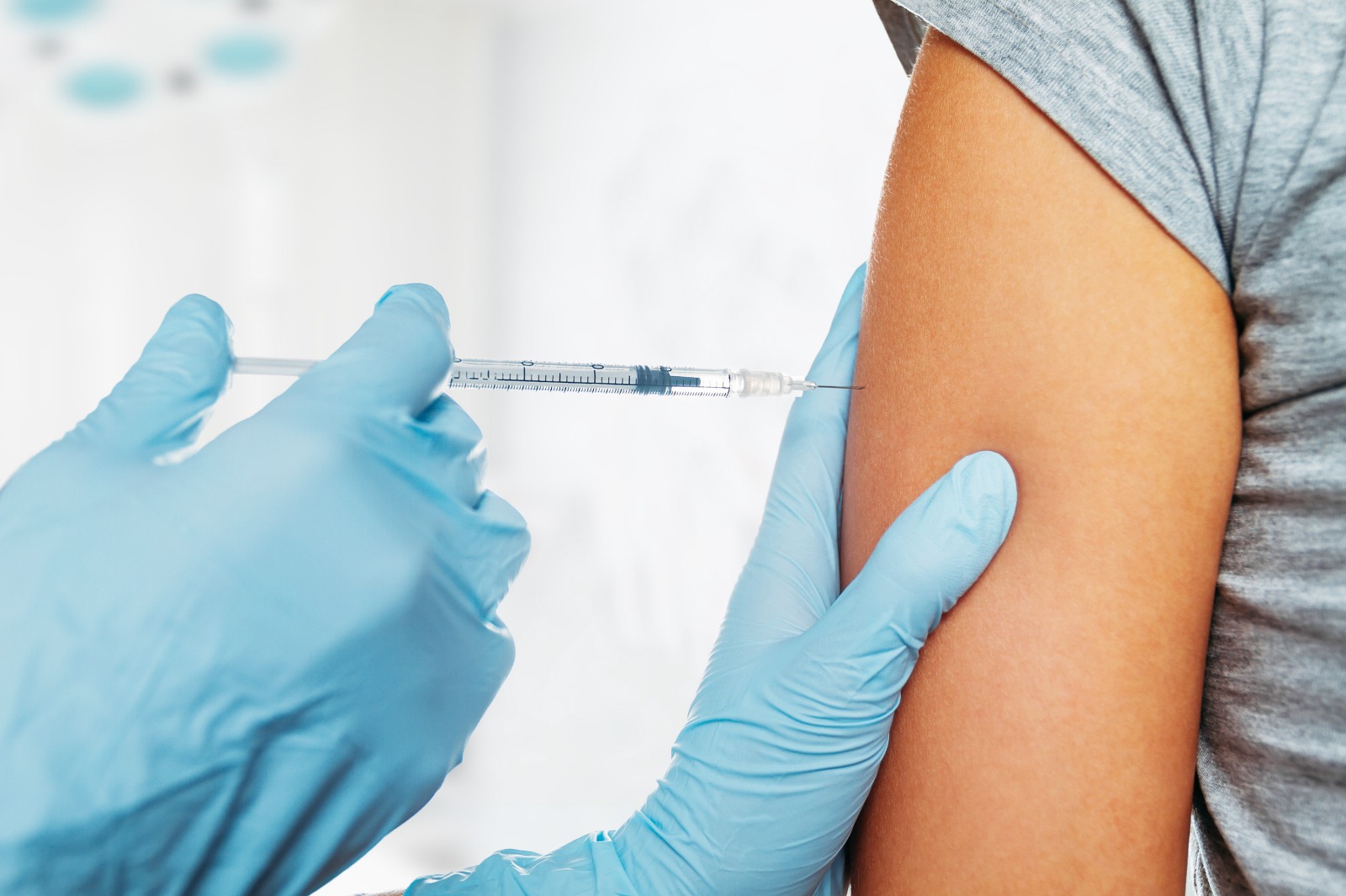
Cervical cancer remains one of the leading causes of death for women worldwide, especially in developing countries. However, prevention is clear through the use of the HPV vaccine. UNICEF and WHO emphasise that this vaccine can prevent up to 90% of cervical cancer cases if given from adolescence. The problem is that its implementation has not run smoothly.
Globally, HPV vaccine coverage is still far from the target. UNICEF data shows that only a small portion of adolescent girls have received this vaccine. In many low-income countries, national vaccination programmes have not yet been rolled out. This means that access disparities remain the main barrier.
Uneven vaccine distribution makes protection against cervical cancer unequal. Developed countries are beginning to see a decline in cases, while developing countries still face high mortality rates.
The COVID-19 pandemic temporarily halted many immunisation programmes, including HPV vaccination. Since this vaccine is generally administered through schools, school closures directly impacted vaccination coverage.
Several reports mention a significant decline since 2019. The impact is not immediately felt now, but it could emerge in the form of increased cervical cancer cases in the future.
One of the biggest challenges is not medical, but public perception. Many parents are still hesitant to give the HPV vaccine due to fears of side effects or beliefs in myths that it encourages early sexual activity.
However, global research has repeatedly proven the HPV vaccine to be safe and effective. The problem is that misinformation spreads faster than proper education.
Not a few adolescents and parents do not yet understand what HPV is and how this virus can cause cancer. Without sufficient understanding, the urgency of vaccination is not felt.
In fact, the HPV vaccine is most effective if given before exposure to the virus, i.e., in adolescence. Delaying vaccination means opening up risks that could actually be prevented.
In some regions, the HPV vaccine is still considered expensive or difficult to access. Limited health facilities and suboptimal distribution systems worsen this situation.
The most vulnerable groups are often in areas with the most limited access. This makes health inequalities even more evident.
Efforts to protect the young generation from cervical cancer cannot rely solely on providing vaccines. Public education, strengthening health systems, and equitable distribution must go hand in hand.
Without that, the HPV vaccine will remain a solution that has not been maximally utilised.
Early detection is the main key in reducing mortality rates from cervical cancer. This is because high-risk HPV infections often show no symptoms in the early stages.
The Ministry of Health (Kemenkes) will begin administering the Human Papillomavirus (HPV) vaccine to 11-year-old boys in 2027.
Starting in 2027 or next year, the Ministry of Health (Kemenkes) will provide the human papillomavirus vaccine or HPV vaccine for 11-year-old boys.