
Howler Monkeys Ate Leaves 13 Million Years Ago, Reshaping Primate Evolution
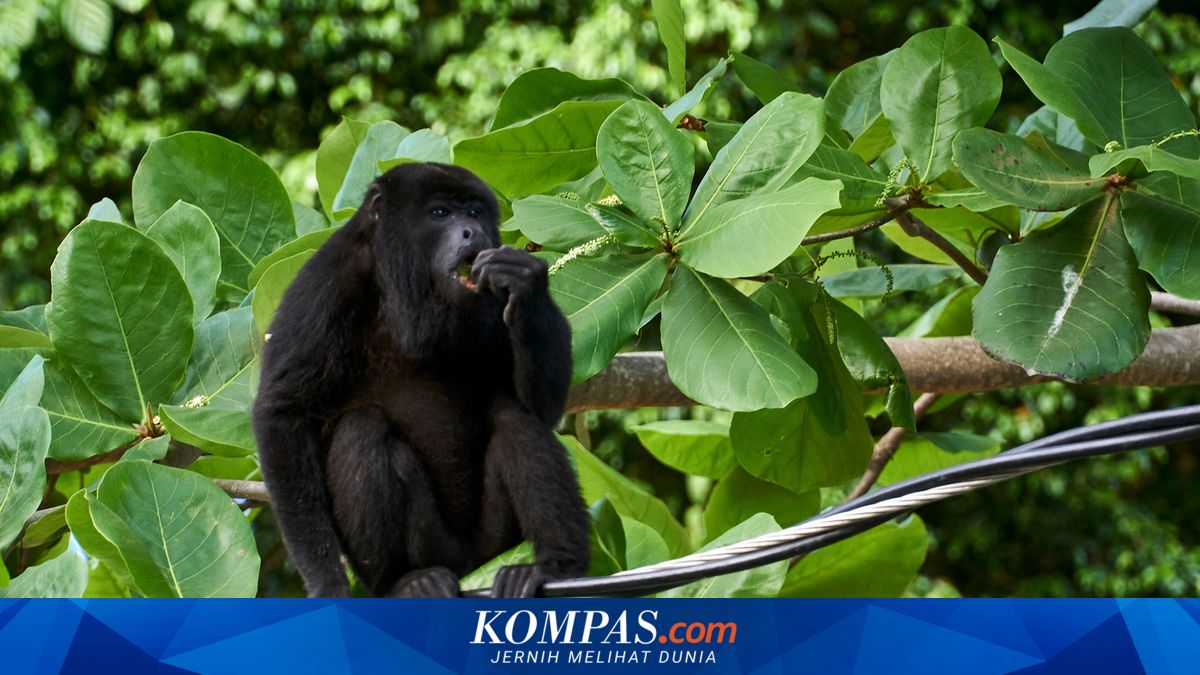
Recent research has discovered that the ancestors of howler monkeys (Alouatta) began consuming leaves approximately 13 million years ago. This finding constitutes the earliest fossil evidence of leaf consumption among primates in South America.
The shift in dietary patterns proved to be more than a simple variation in diet. Scientists consider this development a crucial point in primate evolution, as it opened opportunities for monkeys to grow larger and discover their own ecological niche in ancient forests filled with competition.
The study was published in the academic journal PaleoAnthropology.
Through analysis of tooth anatomy, researchers from Johns Hopkins University, Dr Siobhan B. Cooke, discovered that the teeth possessed a structure particularly well-suited for chewing tough leaves.
The molars on the fossil specimens featured high ridges that functioned like blades when the jaw closed. This structure enabled the ancient primates to cut and grind tough leaf tissue, something far more difficult to digest than soft fruit.
Dr Cooke explained: “Before the discovery of Stirtonia, we did not have evidence of leaf consumption among South American primates.”
The similarity of this tooth pattern to modern howler monkeys convinced scientists that this dietary pattern was not coincidental, but rather a genuine evolutionary adaptation.
The estimated body size reached approximately 7–9 kilograms. This size was considerably larger than most South American primates found in previous fossil records.
According to Dr Cooke: “Previously, South American monkeys recorded in fossil records were much smaller.”
Abundant leaves in forests provided these animals with a stable food source, even when ripe fruit was scarce. This offered an advantage for larger-bodied primates to survive.
Consequently, Stirtonia victoriae is now considered the earliest known large-bodied monkey in the South American fossil record.
In that region, researchers discovered 12 different primate species living alongside one another. This made it one of the earliest primate communities resembling the modern Amazon ecosystem.