
How US Sanctions Strengthen Iran's Missiles? There Is a Doctrine of Self-Reliance Jihad
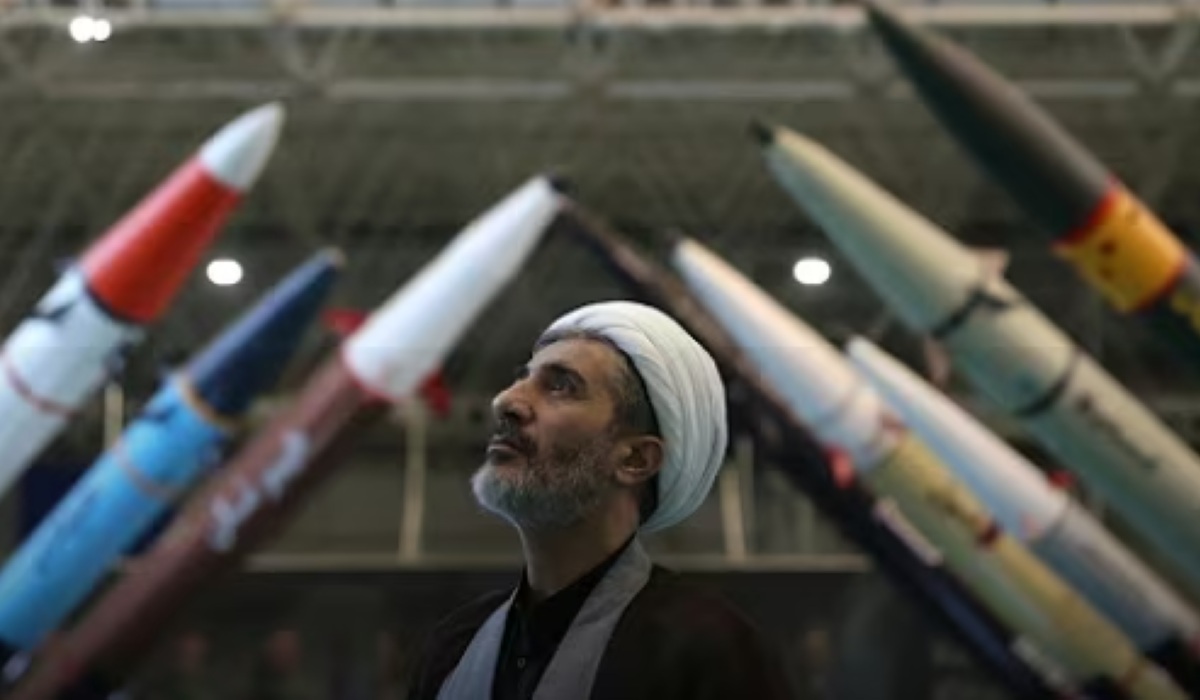
For more than four decades, Iran has endured the world’s most stringent economic and military sanctions. However, rather than crippling the nation, Tehran has successfully built the Middle East’s largest ballistic missile arsenal. The economic sanctions imposed by the United States over the past four decades have failed to suppress Iran’s military ambitions.
This phenomenon raises a significant question for geopolitical observers: how has a nation isolated from the global financial system managed to produce advanced military technology independently?
Iran’s military self-reliance is rooted in the Iran-Iraq War (1980-1988). At that time, Iran struggled to obtain spare parts for Western-made military equipment inherited from the Shah era.
In 1982, Iran’s leadership launched the Jihad Swasembada (Self-Reliance Jihad) doctrine. Local engineers began reverse engineering components from F-14 Tomcat fighter jets and Scud-B missiles obtained from Libya and North Korea. This successful reverse engineering became the foundation for developing domestically produced missiles such as the Shahab series, which have evolved to reach ranges of up to 2,000 kilometres.
Despite the weapons embargo, Iran exploited gaps in international trade. Recent intelligence reports show that Iran frequently obtains critical electronic components and chemicals through shell companies in third countries. For example, shipments of thousands of tonnes of sodium perchlorate—a solid rocket propellant—are regularly detected entering through Bandar Abbas port using vessels that disable automatic identification systems (AIS).
Western isolation paradoxically pushed Iran towards Eastern powers. Technological cooperation with Russia and China has provided access to lighter composite materials and more accurate guidance systems. By 2026, this partnership has strengthened, with Iran not only importing technology but also exporting drones such as the Shahed-136 in exchange for assistance in space and air defence technology.
The combination of domestic innovation born from necessity, capable reverse engineering capabilities, and support from non-Western strategic alliances has rendered US sanctions ineffective in Iran’s defence sector. Tehran has demonstrated that technological self-reliance is the key to survival under international sanctions.