
How to Manage 2026 Religious Holiday Allowance to Avoid Spending It All Using the 40-30-30 Formula
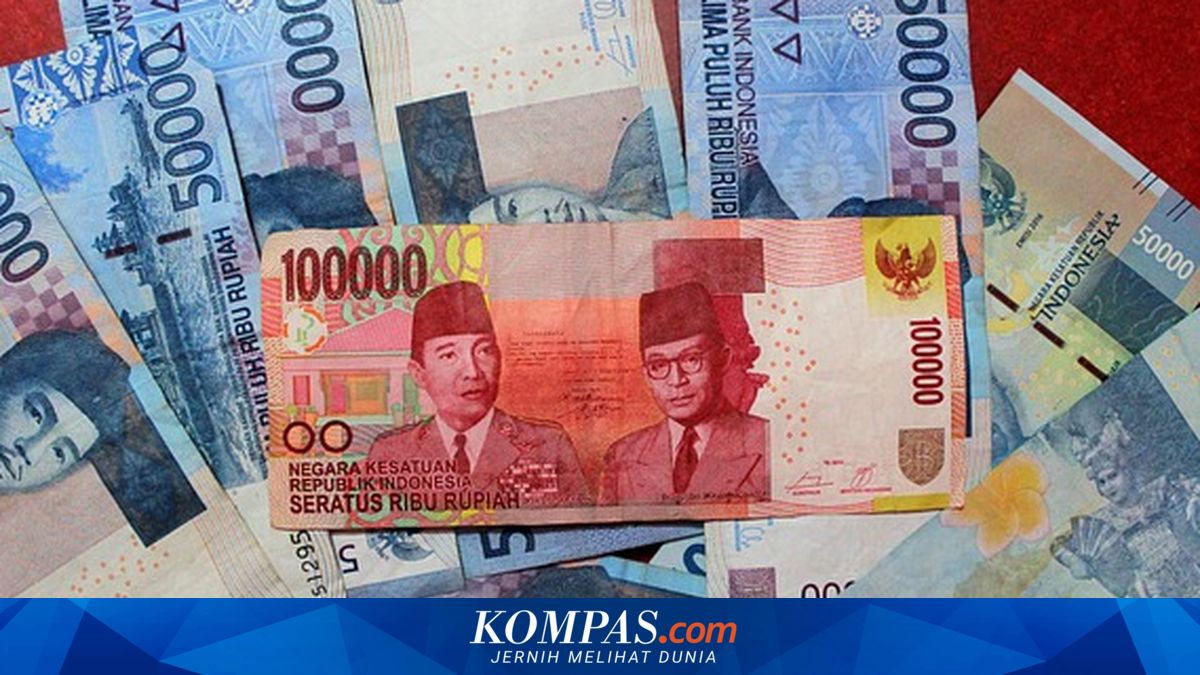
The Religious Holiday Allowance (THR) represents an opportunity for both private sector employees and civil servants to strengthen their financial position. For those with families, the 2026 THR can serve as a “second breath” to cover household expenses during Ramadan and leading up to religious celebrations. Given that the allowance arrives only once annually, its management requires careful consideration to ensure it is not spent frivolously.
Rudi Santoso, lecturer in Financial Management at the Faculty of Economics and Business at Dinamika University Surabaya, explains that the ideal approach to THR management involves using the 40-30-30 formula. Under this allocation, 40 per cent is spent on household necessities, 30 per cent on social obligations such as zakat and charitable giving, and the remaining 30 per cent is invested in instruments such as shares, gold, or mutual funds.
“Through this approach, the THR not only provides short-term happiness but also contributes to financial stability in the future,” Santoso stated. The formula can be adjusted depending on individual circumstances, though the fundamental principle is that an allocation for investment should remain available. Additionally, expenditure categories can be expanded to address specific needs, such as repaying consumer debt. Ultimately, outstanding debts should be settled promptly when fresh funds become available, and the THR represents an opportune moment to do so.
“The most ideal management of THR is not simply choosing between spending or saving, but rather optimising its benefits through balanced and planned allocation,” Santoso emphasised.
On 2 March 2026, Minister of Manpower Yassierli issued Circular Letter Number M/3/HK.04.00/III/2026 establishing the legal foundation for THR payments. The circular contains seven key points, with the first clarifying that religious holiday allowance is provided to workers with a minimum service period of one month, whether they hold contract or permanent employment status.