
How the Chromebook corruption case was built against Nadiem Makarim
JAKARTA — Former Minister of Education, Culture, Research and Technology (Mendikbudristek) Nadiem Anwar Makarim was once positioned as a symbol of Indonesia’s educational reform. The Gojek founder entered the cabinet with grand promises to digitalise schools, streamline the education bureaucracy, and bring a technology-driven approach to the classroom.
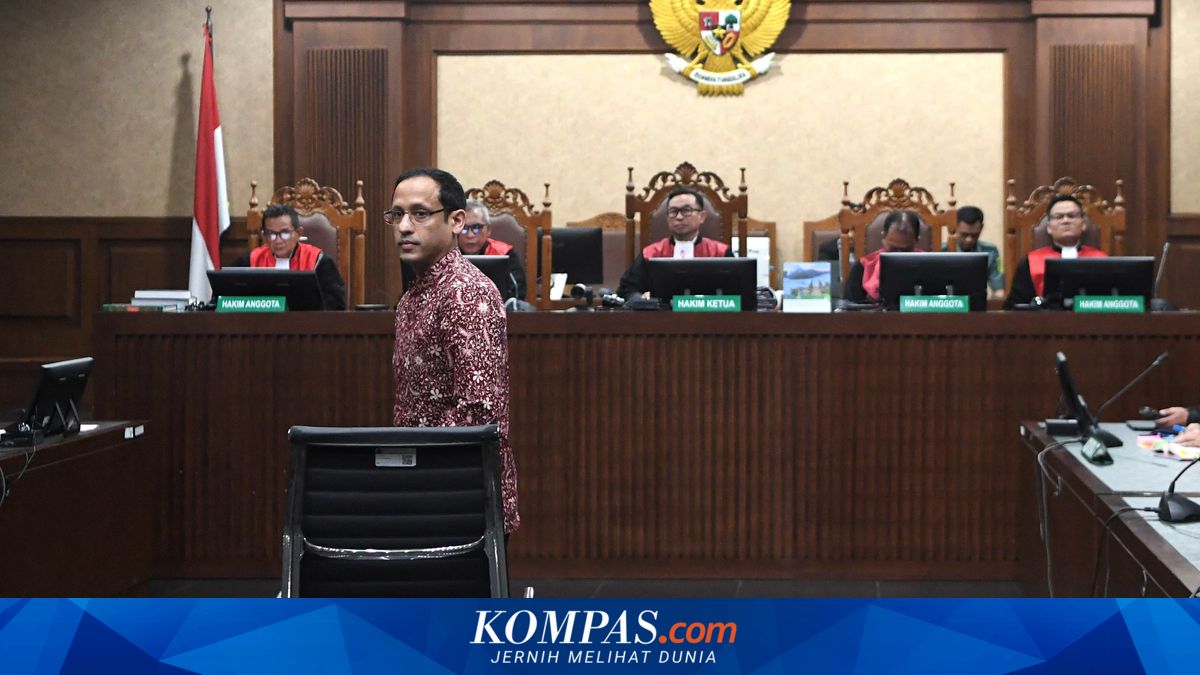
However, after five years at the helm of the ministry, Nadiem sits in the dock at the Central Jakarta Corruption Court. Prosecutors from the Attorney General’s Office accuse Nadiem not merely of policy missteps, but of knowingly building a Chromebook-based educational laptop procurement scheme that is alleged to have been “rigged.” He is charged with causing the state losses of up to Rp 2.1 trillion and personally benefiting Rp 809 billion in the ministry’s 2019–2022 digitalisation programme.
According to the indictment, prosecutors believe the decision to procure Chromebook laptops with the Chrome OS was not taken on programme need but for the benefit of specific business interests. The procurement is alleged to have been intended to spur Google’s investment by depositing funds into PT Aplikasi Karya Anak Bangsa (AKAB), a company founded by Nadiem.
Prosecutors detail that the state loss arises from two main components: the Chromebook procurement and Chrome Device Management (CDM) services. For the Chromebook procurement, the state reportedly incurred a loss of about Rp 1.5 trillion. “The financial loss to the state amounts to Rp 1,567,888,662,716.74,” the prosecutor said in court at the Central Jakarta Corruption Court on Tuesday, 6 January 2026. If converted using the period’s lowest exchange rate of Rp 14,105 per US dollar, the value is around Rp 621.3 billion.
Prosecutors assess that the CDM procurement had no urgency or real benefit in implementing the digitalisation programme. Moreover, the Chromebook procurement process was said to have lacked adequate prior studies. The prosecutors argue that the policy disregarded Indonesia’s geographic realities and educational needs, particularly in the 3T regions (frontier, outermost, and least developed), given that Chromebook devices rely on internet connectivity which is unevenly available.
He stressed that he did not take any money from the Chromebook procurement at issue. Nadiem argued that the prosecutors’ allegations do not show an enrichment element. He said that the Google investment cited in the case was instead used by AKAB to settle obligations to PT Gojek Indonesia, not personal gain.
Regarding the wealth increase in 2022, Nadiem explained that this was triggered by the listing of GOTO shares on the Indonesia Stock Exchange via an IPO, which briefly boosted the stock value. Conversely, in 2023 and 2024, wealth declined as GOTO’s share price fell. He said prosecutors ignored these fluctuations and did not explain a direct link between the Rp 809 billion claim and his wealth statements.
He noted that he attended planning meetings only once in May 2020 and never signed any decision to select Chrome OS. Auditor BPKP or BPK, according to Nadiem, also found no irregularities in the Chromebook procurement.
Through his legal team, Nadiem emphasised that the procurement process involved the Attorney General’s Office for State Administration (Jamdatun) for legal support, so the allegation of conflicts of interest is unfounded.
Moreover, the Chromebook and Chrome Device Management procurement is said to have saved the state around Rp 1.2 trillion by avoiding licensing costs for the operating system.
After all, the case touches on three sensitive areas: education budgeting, the state’s relationship with a global tech company, and the delicate line between public policy and crime.