
How Significant Is the Impact of the US-Israel-Iran Conflict on Indonesia? Examining BPS Data
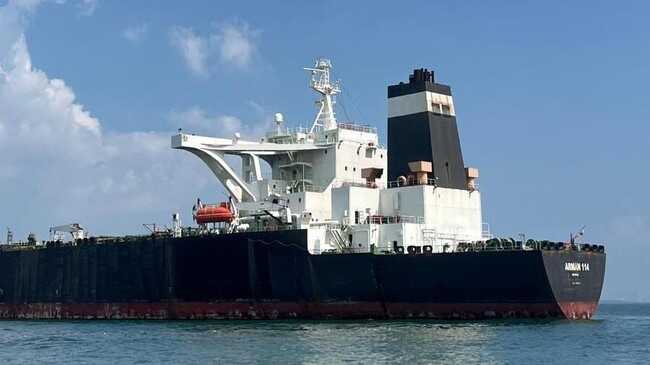
Armed conflict between the United States and Israel against Iran has begun disrupting global trade flows with Middle Eastern nations, particularly through the Strait of Hormuz, which has been closed by Iran.
Energy experts and market participants estimate that due to the warfare disrupting global trade routes, global crude oil prices could breach US$100 per barrel, considering that regional nations are among the world’s leading producers of oil and gas.
As a net importer of oil, the US-Israel-Iran conflict has the potential to disrupt Indonesia’s economy, particularly through the effects of volatile global crude oil and gas prices.
The Indonesian Statistics Agency (BPS) has recorded that Indonesia spends hundreds of millions of dollars monthly importing oil and gas from Middle Eastern nations that are now experiencing turmoil.
“However, to understand the influence of the Middle East conflict, this certainly requires further study,” said Ateng Hartono, Deputy of Statistics for Distribution and Services at BPS, during a press conference at BPS headquarters in Jakarta on Monday, 2 March 2026.
Indonesia’s largest oil and gas trade with Middle Eastern nations is with Saudi Arabia. According to BPS data, in January 2026 Indonesia’s oil and gas imports totalled US$267.4 million from Saudi Arabia, contributing 8.44 per cent of total oil and gas imports.
“Then, with the United Arab Emirates (UAE), oil and gas imports totalled US$200.6 million in January 2026, with a contribution of 6.34 per cent; Qatar US$1.8 million with a contribution of 2.58 per cent; Egypt US$73.4 million with a contribution of 2.32 per cent; and Oman US$67.9 million with a share of 2.14 per cent,” said Ateng.