
How Often Should You Change Your Toothbrush? A Doctor's Advice
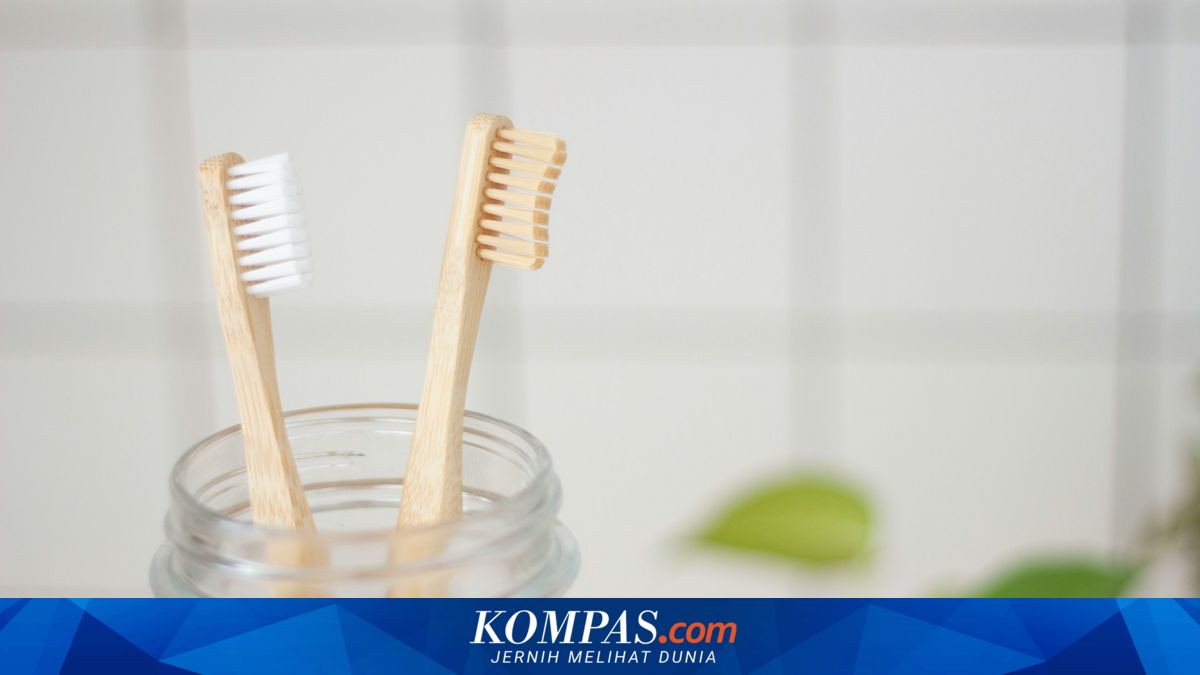
KOMPAS.com – Using a toothbrush for too long can disrupt oral hygiene. Worn bristles also compromise the effectiveness of cleaning. Dentists say that replacing a toothbrush regularly is important for maintaining the health of teeth and gums. Beyond helping to clean plaque effectively, this habit can also reduce the risk of bacterial infections in the mouth.
“You should replace your toothbrush every three months,” said Gonchar, as reported by Prevention, Thursday (21 May 2026). He noted that after three months of use, the bristles typically become worn and splayed, so they are no longer effective at cleaning plaque from between the teeth.
“After three months, the bristles usually begin to fray and flare. This makes the toothbrush less effective at removing plaque and can even cause irritation to the gums,” said Gonchar. Furthermore, extended use also increases the risk of bacterial build-up on the toothbrush. This condition can affect oral health if the brush is used continuously.
The rule applies to both manual toothbrushes and the heads of electric toothbrushes.
A consumer spokesperson for the American Dental Association (ADA), Matthew J. Messina, D.D.S., said that electric toothbrush heads also need replacing every three to four months. “Electric toothbrush heads should be replaced every three to four months, or sooner if the bristles begin to wear,” Messina said.
One of the easiest signs to recognise is bristles that start to flare, bend, or change colour. This condition indicates that the brush’s ability to clean plaque has declined.
Gonchar explained that toothbrushes that have been used for a long time also tend to leave a feeling of not being clean after use. “Another consideration is if you feel your teeth no longer feel clean after brushing or if a bad smell comes from the toothbrush,” Gonchar said.