
How Muslim Communities Perform Tarawih Prayers During Nyepi in Bali
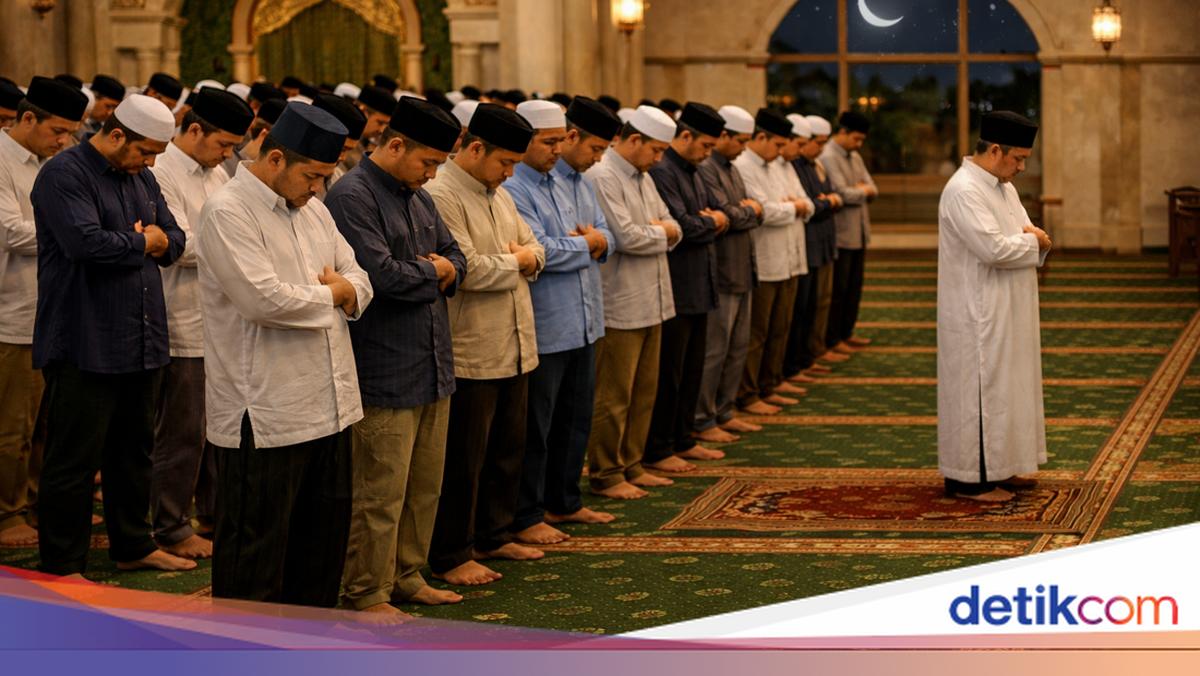
Saka Year 1947 falls coincidentally during Ramadan 1447 Hijriah, creating confusion amongst Muslim communities in Bali regarding the implementation of tarawih prayers. They fear that performing prayers could disturb Nyepi.
Nyepi is characterised by a quiet and peaceful atmosphere due to restrictions on various activities for 24 hours. This necessitates adjusting the implementation of tarawih prayers to comply with local customary regulations as a form of religious tolerance amongst different faith communities.
How, then, do Muslim communities perform tarawih prayers during Nyepi?
Tarawih prayers during Nyepi can still be performed through agreements between different religious communities, allowing both religious observances to take place side by side without mutual disruption. The practice naturally involves adjustments according to local custom. Below are several common methods of tarawih prayer applied during Nyepi.
- Tarawih at the Nearest Mosque
Although Nyepi enforces restrictions on activities that could disturb tranquillity, Muslim communities can still perform congregational tarawih prayers at mosques with certain adjustments.
Muslims are advised to walk to the nearest mosque without using vehicles. Additionally, prayer practice at the mosque must be conducted without loudspeakers, limiting the use of lighting, and completing prayers within the designated time.
The implementation of tarawih prayers at major mosques in Bali is also monitored by pecalang—customary security officers. They assist in ensuring prayers proceed orderly without disrupting the sanctity of Nyepi celebrations.
- Tarawih at Individual Homes
In line with Nyepi’s principle of limiting activities outside the home, Muslim communities can also perform tarawih prayers independently or in congregation with family members at their residences. This method of practice serves as an appropriate alternative, allowing tarawih to proceed with full devotion whilst respecting the quiet atmosphere maintained by Hindu communities during Nyepi.
- Tarawih in Muslim Residential Areas
In several regions of Bali, certain customary villages have fairly large Muslim communities. Under such circumstances, tarawih can be performed simply within residential areas, such as community halls or prayer spaces owned by the village. This implementation of tarawih is typically attended only by local residents, as it does not require long-distance travel outside the area and thus does not create crowds that could disrupt Nyepi activities in public spaces.
- Avoiding Additional Ramadan Activities
In addition to the optional tarawih prayers, Muslim communities typically fill Ramadan with various religious activities to increase good deeds, such as communal iftar meals, Quran recitation sessions and large-scale religious lectures involving numerous congregants. Muslim communities should temporarily postpone additional Ramadan activities that could create crowds during Nyepi.