
How Does the New Customs Regulation for Hajj Pilgrims' Baggage Work?
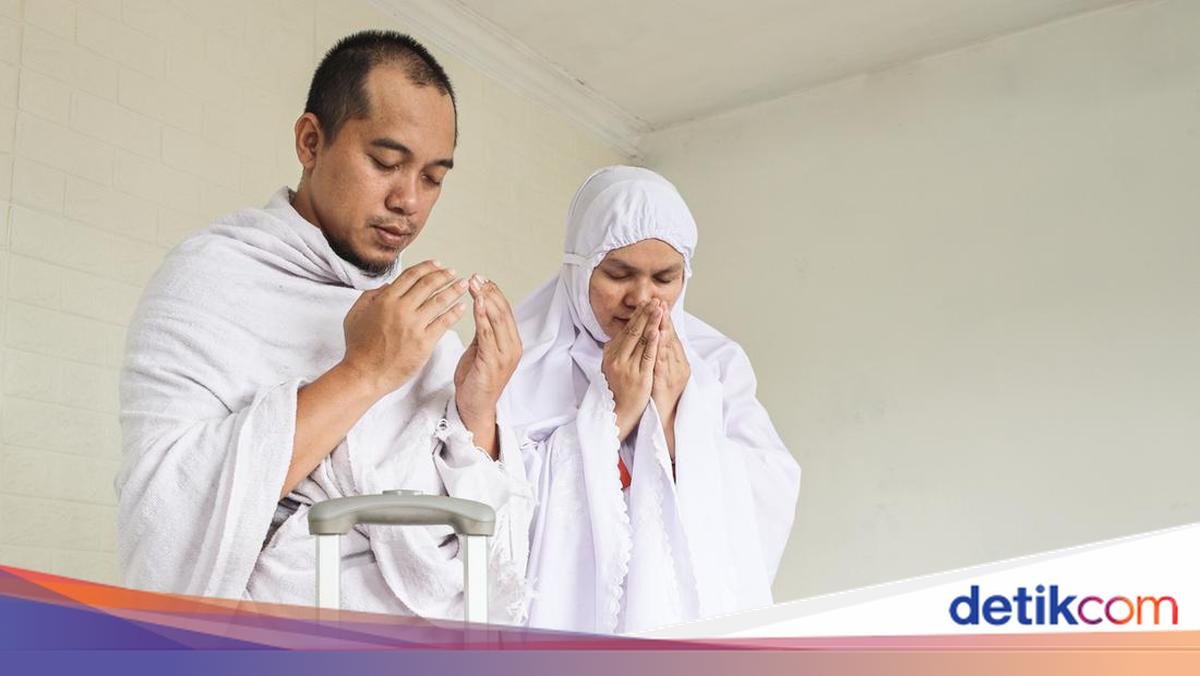
As the Hajj season approaches, Indonesian pilgrims are preparing various needs, including understanding customs regulations regarding baggage from abroad. This information is crucial to ensure a smooth return process without issues at the airport. The government, through the Ministry of Finance, has updated provisions via Minister of Finance Regulation (PMK) No. 34 of 2025. This regulation includes several facilitations for Hajj pilgrims, particularly regarding exemptions from import duties and taxes on personal baggage. Latest Provisions in PMK 34 of 2025 Referring to PMK No. 34 of 2025 on amendments to PMK No. 203/PMK.04/2017, the government has adjusted import policies for passenger baggage, including Hajj pilgrims, to enhance customs service effectiveness. The regulation explains that personal items brought by passengers from abroad must in principle be declared to customs officials via the customs declaration mechanism. However, special treatment applies to Hajj pilgrims, especially regarding import duty exemptions. Additionally, regular Hajj pilgrims are included in the passenger category that can provide oral notifications, as stipulated in Article 9. This means regular Hajj pilgrims do not always need to fill out written or electronic forms but can report their baggage directly orally to customs officials upon arrival. Facilitations for Regular and Special Hajj Pilgrims Based on Article 12 of PMK 34 of 2025, the government provides import duty exemption facilities for Hajj pilgrims’ personal items, with the following provisions: - Regular Hajj Pilgrims All personal items brought are granted import duty exemptions without a specific value limit, as long as they qualify as personal items. - Special Hajj Pilgrims Import duty exemptions are granted for personal items up to a maximum customs value of FOB USD 2,500 per person per arrival. Furthermore, this regulation confirms that items receiving import duty exemptions are not subject to value-added tax and are exempt from income tax. If the value of items exceeds the specified limit, duties and import taxes will still apply to the excess according to prevailing regulations. Requirements for Hajj Pilgrims’ Baggage Referring to customs provisions and official explanations from the Directorate General of Customs and Excise, there are several requirements for Hajj pilgrims’ baggage to qualify for exemptions, including: - Pilgrims departing under Indonesia’s visa quota - Registered in the Integrated Hajj Computerised Information System (SISKOHAT) - Items are personal property - Items are not intended for sale These provisions are important to ensure the facilities are not misused and remain aligned with their original purpose of easing pilgrims’ transport of personal necessities. By understanding these rules from the outset, Hajj pilgrims can undertake their worship journey more peacefully, including when bringing items from the Holy Land back to Indonesia.