
How Does Indonesia's Meteorological Agency Predict Weather for 2026 Lebaran Exodus?
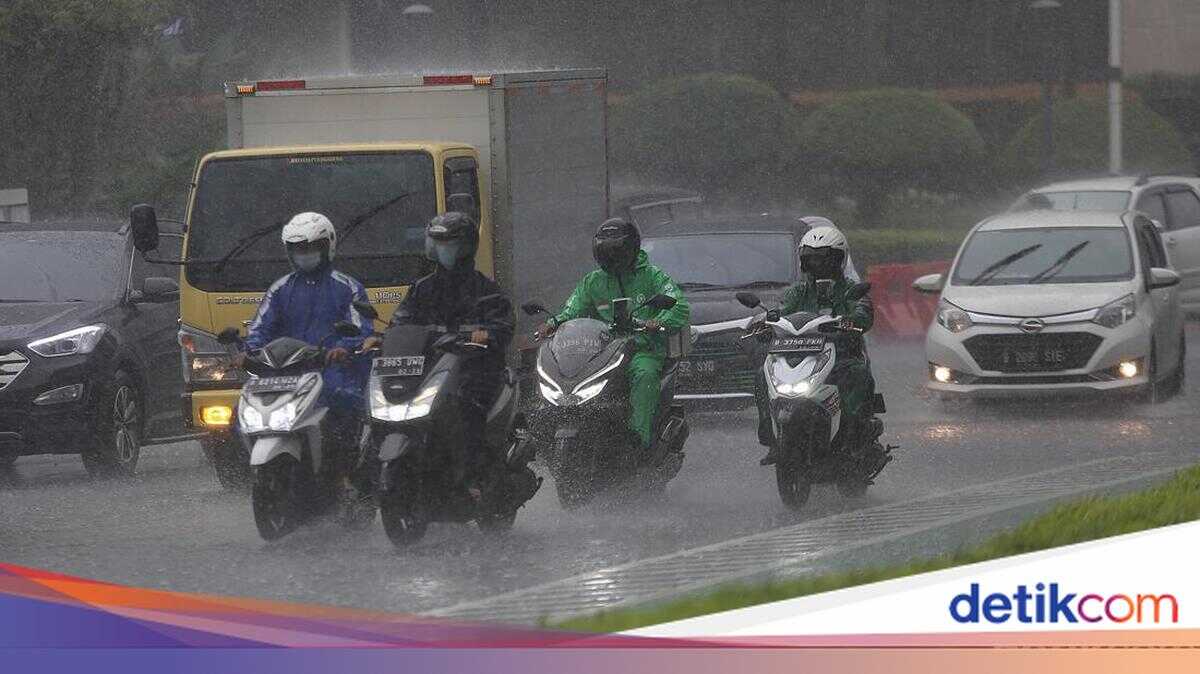
As the 2026 Lebaran exodus period approaches, weather forecast information has become one of the most sought-after details by the public. Weather conditions during the Idulfitri period are considered to significantly affect the smooth running of land, sea, and air transportation.
The question then arises: what does the Meteorological, Climatological, and Geophysical Agency (BMKG) forecast for 2026 Lebaran weather conditions, and how prepared are their services? The following provides a comprehensive explanation.
Weather Forecasts for the 2026 Lebaran Exodus
In an official release dated 25 February 2026, the BMKG reaffirmed its commitment to supporting the smooth running and safety of the 2026 Lebaran transportation period through the provision of accurate and integrated weather, climate, and early warning information.
BMKG head Teuku Faisal Fathani stated that the Idulfitri period this year still falls within the rainy season. In February 2026, rainfall is expected to be in the low to high category, with very high chances in several regions including West Java, Central Java, East Nusa Tenggara, and South Sulawesi.
Entering March 2026, conditions generally remain in the same category. Potential for very high rainfall is forecast to occur in West Java, Central Java, South Sulawesi, and Central Papua.
“We are reporting that in several areas as Idulfitri approaches, we will still face extreme weather, particularly in West Java and Central Java, which are the routes with the highest migrant traffic. However, at the end of the Lebaran period—the final ten days of March—rainfall will begin to ease,” Faisal explained during the coordination meeting on preparations for the 2026 Lebaran transportation arrangements at the Ministry of Transportation headquarters in Jakarta on Tuesday (24/2/2026).
Mitigation and Weather Modification Operations
To reduce the risk of weather disruptions during the exodus period, BMKG is promoting integrated mitigation steps, including Weather Modification Operations that will be conducted situationally based on needs and scientific considerations.
Regional governments with high-risk levels can coordinate with the National Disaster Management Agency (BNPB) and BMKG regarding the implementation of Weather Modification Operations.
“BMKG continues to conduct continuous analysis and monitoring of atmospheric conditions whilst providing timely weather information and early warnings to support public safety and activities, particularly during the 2026 Lebaran transportation period,” he stated.
BMKG also stressed that should dangerous conditions arise, such as tropical cyclones, it will write directly to regional leaders to enable them to take anticipatory measures promptly.
BMKG’s Readiness for the Lebaran Exodus
To support the smooth running of the 2026 Lebaran exodus, BMKG has prepared integrated digital information services. For the aviation sector, the System of Interactive Aviation Meteorology or Ina SIAM service is available. For land routes, Digital Weather for Traffic is available, whilst the maritime sector is supported through Indonesia Weather Information for Shipping or InaWIS.
Weather information is also disseminated via the official BMKG website, the InfoBMKG application, social media, and weather displays on numerous toll road sections to ensure easy public access.
A total of 191 BMKG Technical Implementation Units across Indonesia are on standby during the Lebaran period. BMKG coordination posts in 38 provinces also operate around the clock to ensure information services remain optimal.