
How Did Ancient Peoples Build Magnificent Structures Without Cement?
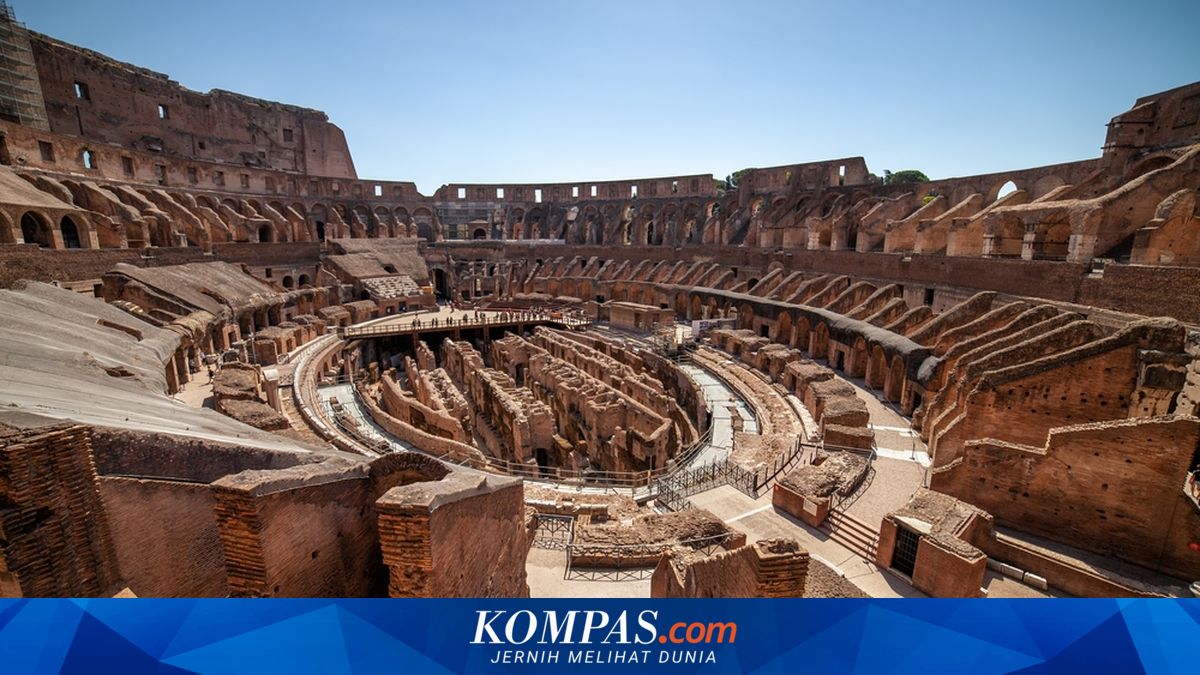
Ancient structures such as Egyptian pyramids, Roman roads, and ancient aqueducts remain standing firmly to this day. These structures were built long before modern concrete technology, concrete mixers, and cement factories developed as they are today.
How were ancient peoples able to construct magnificent and durable structures without modern cement? Historical construction over hundreds of years past demonstrates that ancient builders utilised natural materials available in their surroundings, such as stone, mud, limestone, and volcanic ash. Using simple yet clever techniques, they were able to create building materials sufficiently strong to endure for centuries.
Several natural materials that could be used as building binders include:
Stone and mud: Stone was one of the earliest building materials used by humans due to its high durability. Stone was frequently combined with mud or clay as a simple adhesive. Additionally, mud brick or adobe was widely used because it was easy to make and inexpensive. Construction methods based on earth such as this remained in use in some rural areas until the nineteenth century. Buildings made from stone and mud could endure for quite some time, particularly if constructed in regions with dry climates.
Limestone mortar: Ancient Egyptians were among the first to use lime-based mortar as a stone binder. This mixture consisted of limestone, sand, and water. Although not as strong as modern concrete, limestone mortar was sufficiently effective for bonding large stone blocks in certain environmental conditions. This material was used in the construction of large structures such as the Great Pyramid of Giza.