
How Coffee Entrepreneurs Maintain Brew Quality as the Climate Becomes Unpredictable
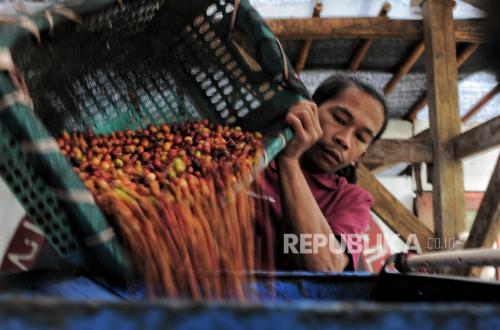
Climate change is no longer a future issue but a reality directly impacting policies, the economy, and on-the-ground practices. From academic circles to the industrial sector, various parties are beginning to adjust strategies to face increasingly unpredictable weather dynamics. Collaboration between the government and universities is one of the key steps in strengthening science-based responses. On the other hand, industry players are also required to be adaptive to maintain performance amid increasing climate pressures. The Ministry of Environment and Forestry (KLH), together with Hasanuddin University (Unhas), is strengthening cooperation in building climate resilience based on research. Chairman of the Unhas Centre for Climate Change Studies, Rijal M Idrus, emphasised the importance of evidence-based education that is widely accessible to the public. “Integrating programmes into the Thematic Real Work Lecture (KKN) scheme is also one of the key strategies,” he said, while stressing the role of students as agents of change at the local level. Director of Climate Change Control Resource Mobilisation at KLH, Irawan Asaad, added that the availability of integrated data is an important foundation for policymaking. A science-based approach, according to him, enables the government to map risks more accurately while designing effective mitigation measures. In the real sector, the impact of climate change is starting to feel tangible. PT Perkebunan Nusantara (PTPN) IV PalmCo is adjusting its coffee harvest schedule due to high rainfall in early 2026. President Director of PTPN IV PalmCo, Jatmiko K. Santosa, said that weather conditions are forcing the company to change its production rhythm to maintain product quality. “However, this condition does not hinder the financial performance of our coffee segment, which continues to record positive results,” said Jatmiko. The company recorded a pre-tax profit of Rp3.43 billion in the first quarter of 2026, with sales increasing significantly compared to the same period the previous year. Nevertheless, pressure on the production side remains a challenge, particularly due to reduced sunlight intensity affecting the coffee fruit ripening process.