
How Africa is Facing the Fertiliser Crisis from the Hormuz Blockade
The African Union is closely monitoring the situation around the Strait of Hormuz, as it affects several strategic goods that are vital to Africa’s economy,” said Willy Nyamite, Burundi’s ambassador to the African Union and current chair of the Ambassadors’ Committee, in an interview with DW.
The resumption of shipping through this strategic strait, as it was before the American-Israeli attack on Iran, remains far from reality. Even if it occurs, it could take months for transportation and production to run smoothly again and for markets to normalise.
Therefore, African institutions and governments are in crisis mode and seeking ways to prevent more drastic consequences such as famine or national bankruptcies. This is compounded by the fact that some countries were already burdened with debt even before the Iran war began, and national currencies have depreciated due to inflation, which could worsen the situation.
“The situation is serious,” said Anja Berretta, Head of the Africa Economy Programme at the German Konrad-Adenauer-Stiftung based in Nairobi. “Especially regarding fertilisers, we experienced a similar situation in 2022 when Russia launched a military attack on Ukraine. Russia and Belarus are indeed two of the most important fertiliser producers. At that time, people were worried about famine in Africa. However, it did not happen,” Berretta said in an interview with DW. This was because African countries reacted flexibly, for example, with financial interventions using assistance from the African Development Bank (AfDB). There is still considerable political room for manoeuvre now.
Emergency measures to address fuel shortages
The shortage of fossil fuels has already paralysed parts of the continent. In Ethiopia, diesel is prioritised for public transport, not for private customers. In Juba, the capital of South Sudan, power generation from oil-fired plants has been reduced through rolling blackouts. Gambia is subsidising fuel with more than €5.8 million (Rp114 billion) from tax funds, while Zimbabwe is blending fossil fuels with ethanol. African airlines are also severely affected by the global kerosene shortage.
Although it receives less attention, the scarcity and price increase of chemical fertilisers is just as critical as fossil fuels. Before the war began, nearly 50 percent of the world’s sulphur processed into phosphate fertilisers was transported through the Strait of Hormuz, along with other raw materials such as urea and ammonia. South Africa’s Grain Producers Association, Grain SA, noted in April that ammonia prices had risen by more than 75 percent compared to the previous year. Urea has become about 60 percent more expensive.
Effective short-term solutions
If national emergency measures have been implemented in many places to address shortages of diesel, petrol, and kerosene, solutions for fertilisers are still in the planning stage. UN Secretary-General Antonio Guterres’s proposal, which calls on the warring parties to allow fertiliser shipments to developing countries, has not yet been realised, although Guterres previously succeeded with the Black Sea Grain Initiative, which enabled safe exports of Ukrainian grain from July 2022 to July 2023 with Russia’s agreement.
In addition, there is another proven quick solution from past crises: African fertiliser importers could pool their purchases, following the European Union’s example of using its market power to ensure rapid and affordable supplies of COVID-19 vaccines.
KAS expert Anja Berretta describes this as a realistic and easily implementable option. “We are not talking about technical capacity or financing. African countries just need to say, ‘Let’s do this together now.’” Even if a comprehensive solution through the African Union takes a long time or fails, regional communities such as ECOWAS in West Africa or the East African Community could reach such agreements.
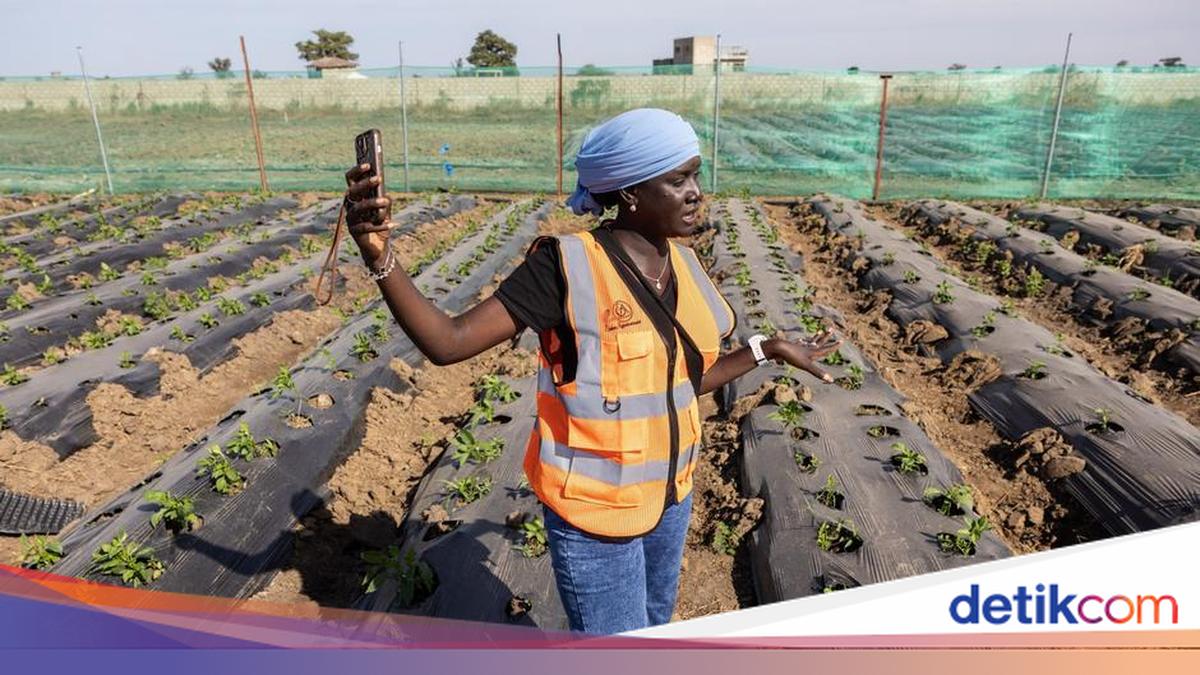
In terms of agricultural land area, Sub-Saharan Africa is already very frugal in fertiliser use. According to FAO data, the UN Food and Agriculture Organisation, farmers in the region use an average of 20.5 kilograms of fertiliser per hectare, while the global average is 144 kilograms per hectare (based on 2021 data before the Ukraine war). However, if further savings are made, production of maize, rice, and wheat is at risk of declining, leading to food inflation. Therefore, Africa urgently needs fertilisers. Time is pressing because the planting season has already begun.
Long-term solutions
To avoid being too vulnerable to external shocks such as the wars in Ukraine and Iran in the long term, the safest way is to build domestic production capacity. Countries like Morocco and Egypt are doing this, given their abundant phosphate reserves, although they still rely on sulphur supplies from Gulf countries for processing. Nigeria’s Dangote Group also plans to expand production and is planning a new urea plant in Nigeria and Ethiopia.
According to Anja Berretta, the best approach is to produce and distribute fertilisers on a large scale in a few locations because, “Not every country has the best conditions to build its own fertiliser production. This is where regional supply chains play a very important role, by identifying three or four countries in a region that have the conditions to build fertiliser production, and they then supply the entire region.”