
Household Worker Protection Bill Established as Parliamentary Initiative
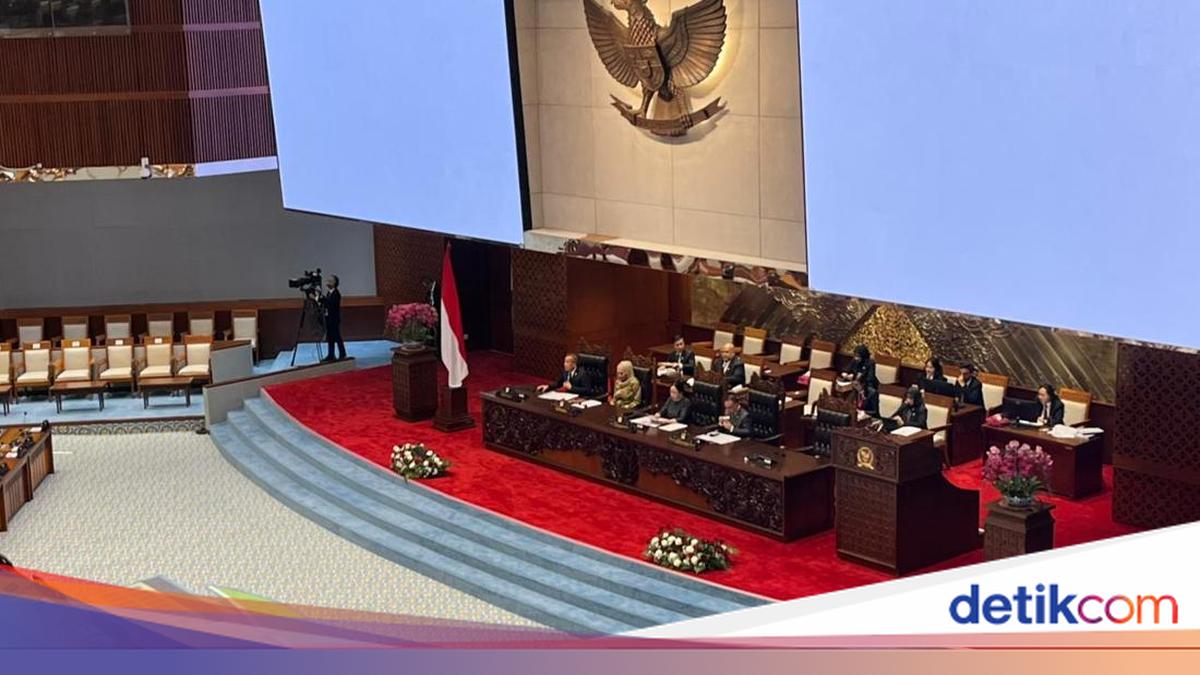
Parliament’s plenary session has approved the Household Worker Protection Bill (PPRT) as a parliamentary legislative initiative. All parliamentary factions agreed with this establishment.
The establishment of the PPRT bill as a legislative initiative took place in parliament’s plenary chamber at the parliamentary complex in Senayan, Central Jakarta, on Thursday, 12 March 2026. House Speaker Puan Maharani presided over the plenary session.
In its draft, parliament proposes that household workers (PRT) will receive health insurance guarantees and employment insurance. Household Worker Placement Agencies (P3RT) are prohibited from deducting wages or collecting fees in any form or for any reason from prospective and current household workers, and are forbidden from placing workers with business entities or other institutions that are not individual employers.
Parliamentary leadership then requested approval of the bill. All parliamentary members agreed that the PPRT bill becomes a parliamentary legislative initiative for further discussion with the government and involving public participation.
“Now the time has come for us to ask this honourable assembly, whether the legislative initiative bill from the Parliamentary Legal Commission regarding Household Worker Protection (PPRT) can be approved as a parliamentary bill?” asked Puan.
“Agreed,” responded the assembly members.
Previously, the Parliamentary Legal Commission had agreed to bring the PPRT bill to the plenary. The following are key substantive provisions prioritised in this bill:
Regulations concerning household worker protection based on familial values, protection, respect for human rights, justice, welfare, and legal certainty.
Recruitment of household workers can be conducted directly or indirectly. Written employment contracts apply only to workers recruited indirectly through placement agencies.
Any person assisting with household work based on custom, kinship, family ties, education, or religious grounds is not classified as a household worker under this law.
Indirect household worker recruitment conducted by placement agencies can be performed through offline or online recruitment, adapting to technological developments.
One key household worker right established in this bill is access to health insurance and employment insurance.
Prospective household workers receive vocational education and training from both central and regional government as well as from placement agencies.
Vocational education and training for prospective household workers includes instruction on social and cultural norms prevalent in the community according to the workplace context, ensuring household worker arrangements maintain sociocultural relations between employers and placement agencies.
Placement agencies must be legally registered business entities and obtain business permits from the central government in accordance with applicable legislation.
Placement agencies are prohibited from deducting wages, collecting fees in any form or for any reason from prospective and current household workers, and are forbidden from placing workers with business entities or other institutions that are not individual employers.
Mediators may issue decisions regarding wage disputes between employers and household workers that are final and binding.
Supervision and monitoring of household worker arrangements is conducted by central and regional government whilst empowering neighbourhood associations to prevent violence against household workers.