
House of Representatives to Oversee Minimum Capital Policy to Protect Regional Banks
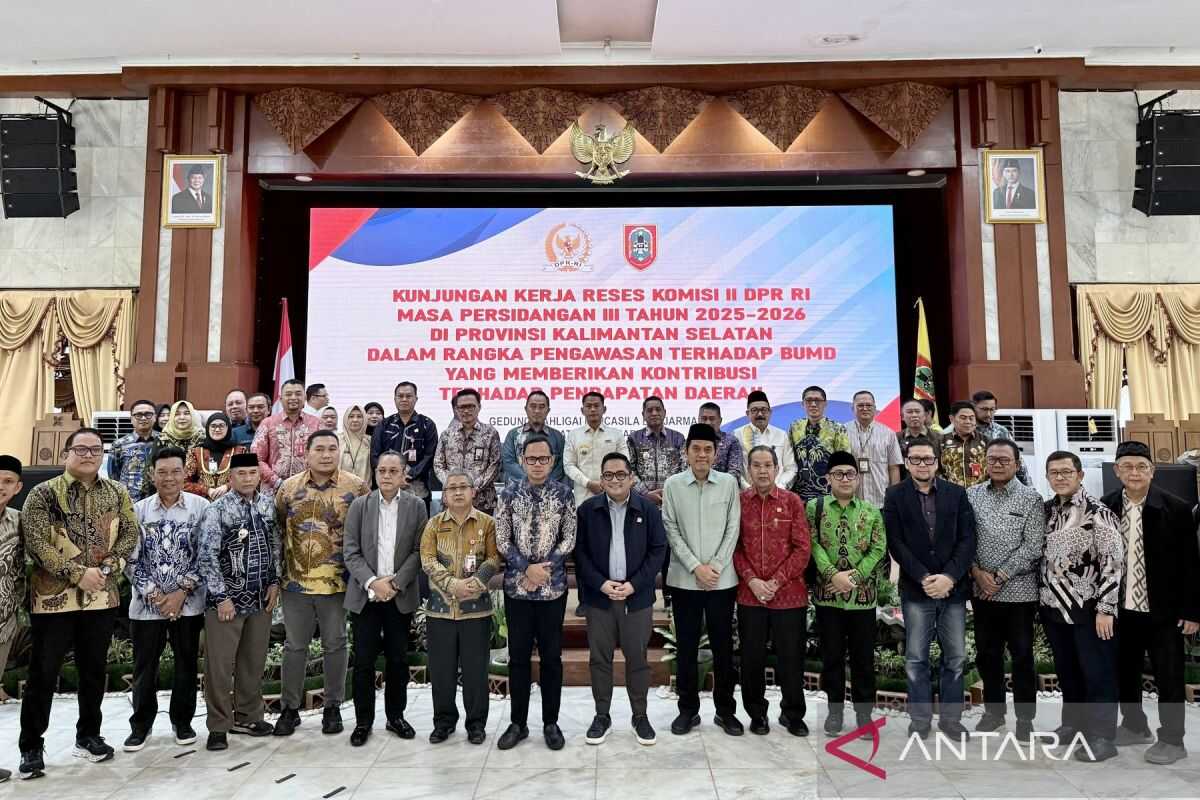
The House of Representatives’ Commission II is closely overseeing the direction of policy on increasing minimum banking capital to ensure it does not place fiscal pressure on regional governments or weaken the position of regional development banks within the national financial industry structure.
“The proposal to raise the minimum capital threshold to the range of Rp5–6 trillion needs to be comprehensively assessed, taking into account the fiscal capacity of each regional government as shareholders,” said Commission II Chairman M. Rifqinizamy Karsayuda during a recess working visit for the Third Session Period of 2025–2026 in Banjarmasin, South Kalimantan, on Friday.
He noted that when the Rp3 trillion core capital requirement was implemented several years ago, regional governments had to make significant budget adjustments to ensure their regional development banks continued to meet regulatory requirements.
“A drastic increase in the threshold has the potential to burden regional budgets, particularly amid the dynamics of transfers to regions, public expenditure needs, and priorities for infrastructure development and basic services,” Rifqinizamy said.
Meanwhile, BPD Kalsel President Director Fachrudin reported that the bank’s capital adequacy ratio currently stands at 33.69 per cent, with core capital of Rp3.9 trillion as of 31 December 2025, indicating that capital performance remains in a healthy position.
However, he acknowledged that if the minimum threshold were doubled, compliance would require substantial additional capital injections from regional shareholders.
Additionally, plans to spin off Islamic banking units (Unit Usaha Syariah) also require separate capital adequacy in accordance with regulatory provisions, meaning capital requirements would increase further.
During the recess working visit, Commission II affirmed that strengthening the banking industry must strike a balance between prudential principles, financial system stability, and the sustainability of regional banks as engines of regional economic financing.
The House of Representatives confirmed it would gather input from various stakeholders across different regions before taking a position on the policy, to avoid producing counterproductive effects for the regions.