
House of Representatives plans to invite non-parliamentary parties to discuss electoral law draft; PSI says it is irrational
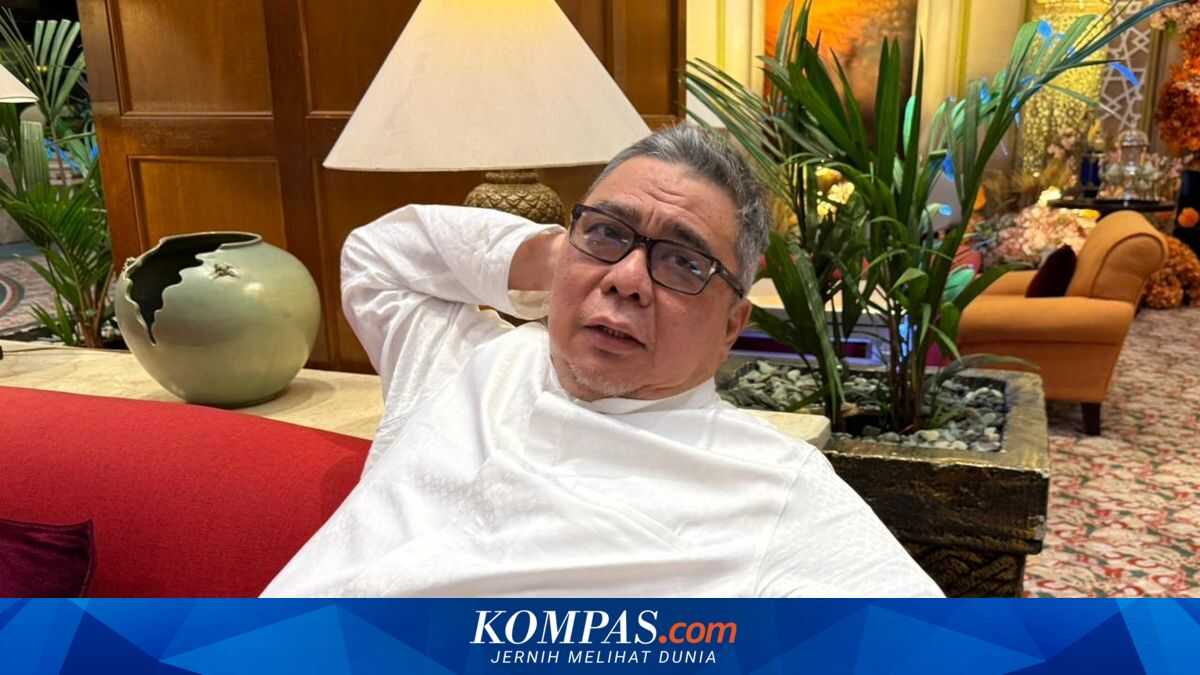
JAKARTA—The daily chairman of the Indonesian Solidarity Party (PSI), Ahmad Ali, has asserted that the House of Representatives Commission II’s plan to invite non-parliamentary parties to discuss the Electoral Law Bill (RUU Pemilu) is irrational and lacks sound reasoning.
Ali emphasised that only the House of Representatives and the government have the authority to create legislation, not parties outside Parliament.
“That is irrational. The idea lacks sense because the authority to make laws rests solely with the House of Representatives and not with political parties. That authority belongs only to House members and the government. So, if there are ideas, they should be rational,” said Ali during a meeting in Surabaya, East Java, on Monday (2 March 2026).
Ali noted that PSI itself has not yet become a registered political party, as it has not passed the General Elections Commission (KPU) verification to participate in the 2029 Elections.
“Once a party is declared unsuccessful in the elections, it will undergo re-verification. This means its status as a political party will also be revoked,” he explained.
“There is no need to overstate matters. If we are asked as a social group to provide views and input, that is acceptable. However, involvement should only include two groups: Parliament represented by the House of Representatives and its factions, and the government. That is all,” Ali added.
For this reason, Ali advised Commission II of the House to seek the interests of the public rather than those of parties that failed to enter the legislature for the Electoral Law Bill.
He stressed that when the House consults PSI as a non-parliamentary party, subjectivity will inevitably arise regarding the Electoral Law Bill.
“However, if the public has interests, invite civil organisations and ask them. Why ask political parties that have vested interests? What needs to be asked is the public who will be represented by political parties in the future. We merely follow the rules made by the gentlemen and ladies in the House. So there is no need to ask us,” Ali concluded.
Commission II chairman Rifqi Pratama previously stated that the commission intends to invite non-parliamentary parties to gather their views on the design of future elections from their perspective. The Electoral Law Bill is scheduled to be discussed beginning in July or August once the agenda is properly prepared.
Rifqi explained that Commission II of the House has already begun actively gathering public input regarding the Electoral Law Bill. He noted that various parties and electoral institutions have been invited to provide responses on critical electoral issues.