
House of Representatives Commission X Supports Face-to-Face Learning as Priority
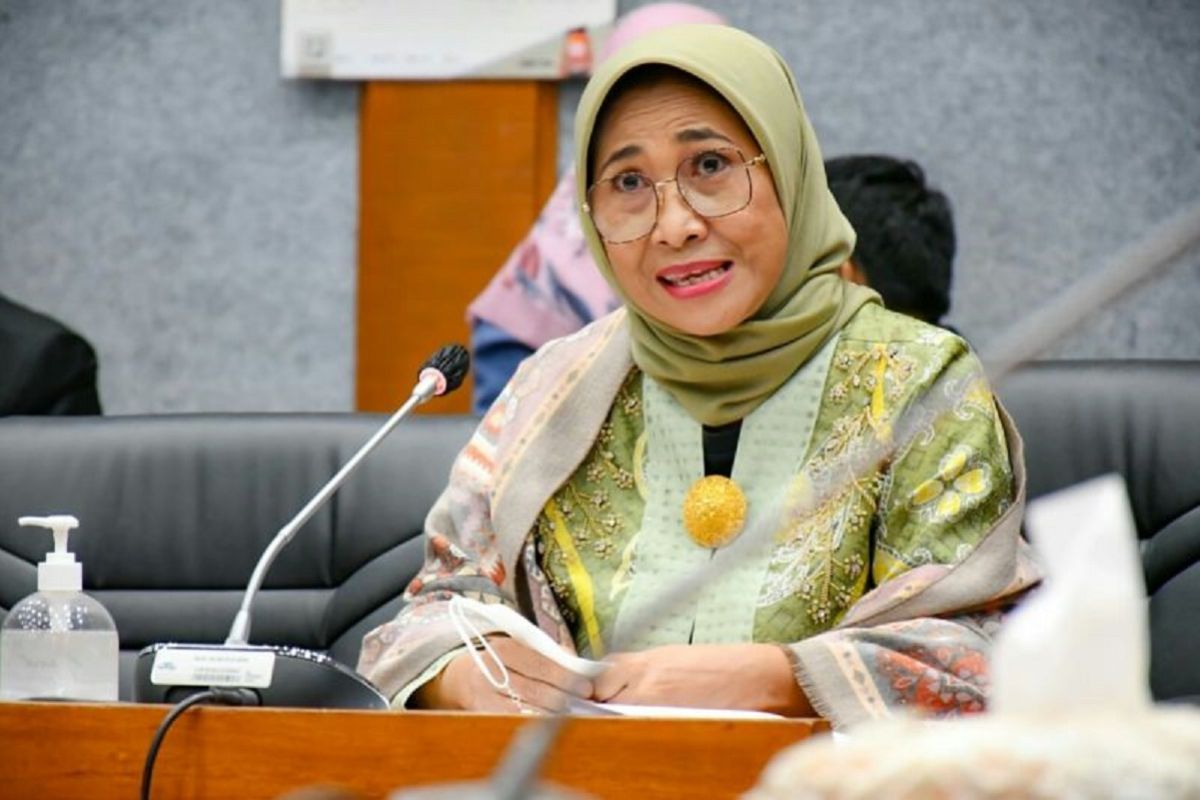
Jakarta - The Chair of Commission X of the Indonesian House of Representatives, Hetifah Sjaifudian, emphasised that face-to-face learning must remain the priority and supported the government’s decision not to implement distance learning to save energy amid global dynamics.
“Face-to-face learning must remain the priority. In addition to being more effective, this approach is also important for maintaining the quality of interactions, including practical activities that cannot be replaced,” said Hetifah in a statement received in Jakarta on Thursday.
According to her, with the zoning system already in place, the majority of students attend school relatively close to home, so the impact on energy consumption, particularly from transportation, is not too significant.
On the other hand, she views learning from home as having several challenges that need to be anticipated, from the risk of declining learning outcomes, limitations in teacher-student interactions, to the potential increase in access disparities due to differences in facilities and home supervision.
“Additionally, the socio-emotional aspects of children are also affected due to reduced spaces for interaction and character building,” added Hetifah.
Nevertheless, she said that distance learning can still be utilised flexibly in certain conditions, such as during natural disasters, temporary access disruptions, or in remote areas with limited teaching staff.
“In such situations, distance learning becomes an adaptive solution so that the learning process continues,” she stated.
Previously, the Coordinating Minister for Human Development and Culture, Pratikno, stated that the government is preparing an energy-saving strategy in the public sector as a follow-up to President Prabowo Subianto’s directives.
Adjusting online (daring) and offline (luring) learning methods according to the characteristics of the subject becomes one of the main cross-agency energy-saving strategies agreed upon by the government.
Pratikno, in his statement in Jakarta on Tuesday (17/3), explained that to maintain education quality, practical learning activities will still be directed to be conducted face-to-face.
Meanwhile, the Minister of Basic and Secondary Education, Abdul Mu’ti, affirmed that teaching and learning activities will continue at school after the Eid al-Fitr holiday series.
He said that the idea of implementing hybrid (online and offline) teaching and learning activities has been cancelled, considering academic aspects and the strengthening of students’ character education.
“In line with the results of the cross-ministerial meeting on 23 March, learning at school will be carried out as usual, considering academic aspects and character education strengthening,” said Mu’ti when contacted in Jakarta on Wednesday (25/3).