
House Commission VII Urges Ministry of Creative Economy to Protect Creative Workers
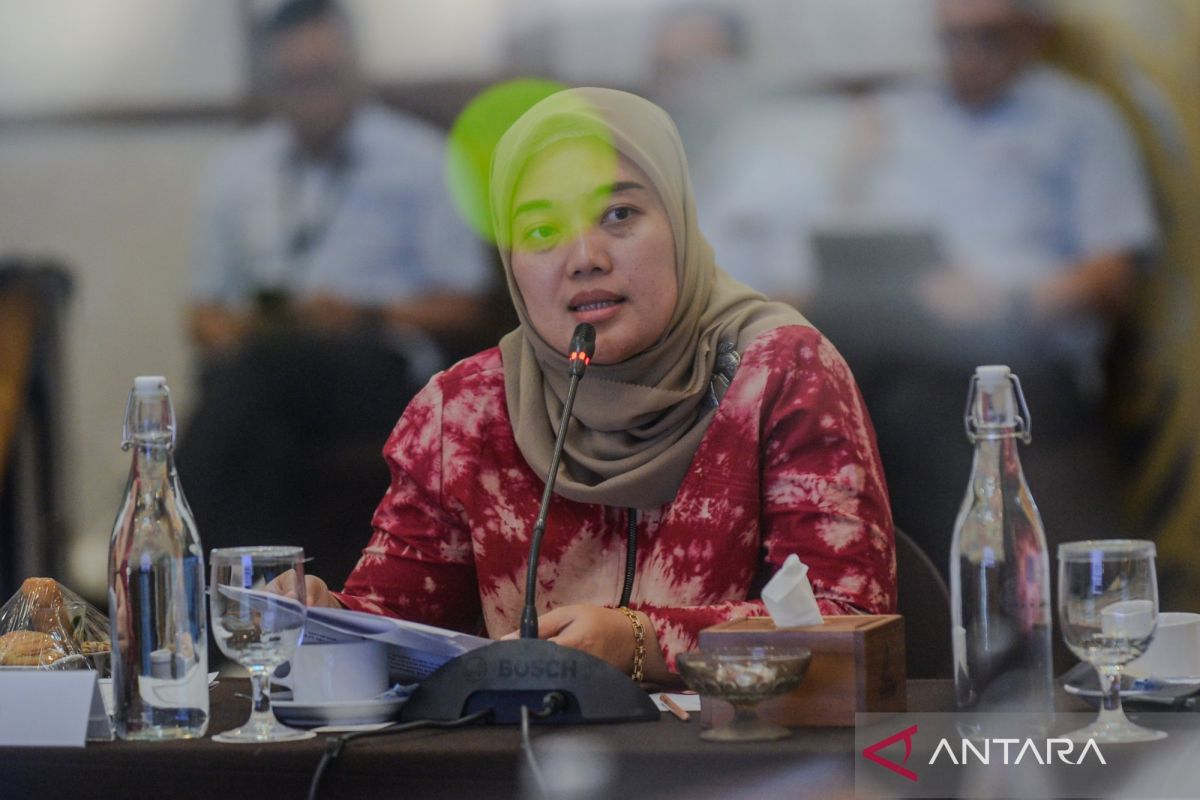
Jakarta (ANTARA) - Deputy Chair of House Commission VII, Chusnunia Chalim, is urging the Ministry of Creative Economy to play an active role in protecting creative workers, following the legal case ensnaring videographer Amsal Christy Sitepu in Karo Regency, North Sumatra.
“We must handle the Amsal case with caution; law enforcement authorities must not misapply policies, as this could backfire on the growth of small industries and creative economy workers,” Chusnunia said in a written statement in Jakarta on Monday.
She stated that the handling of the case must consider its impact on the creative industry climate, which is currently one of the strategic sectors driving the national economy.
According to her, the Ministry of Creative Economy needs to step in to ensure that similar cases do not set harmful precedents for creative industry players in the regions.
“As a partner of the Ministry of Creative Economy, we urge the ministry to take action, especially since President Prabowo has fought to improve the welfare of creative economy actors, from separating it into its own ministry, funding creative economy based on intellectual property, to issuing government regulations,” she said.
Previously, House Commission III stated that it found no elements of price inflation in the case currently being heard at the Medan District Court, and requested that the panel of judges consider an acquittal for Amsal.
House Commission III also urged an evaluation of the law enforcement officials handling the case to ensure the legal process runs fairly and proportionately.
In the 2024–2025 period, the creative economy sector is estimated to contribute around Rp1,500 trillion to Rp1,661 trillion to the gross domestic product (GDP), or about 7.28% of the national total GDP.
Additionally, the creative economy sector absorbs more than 26 million workers and is dominated by sub-sectors such as culinary, fashion, and crafts, with growing export potential.
“These data show that the creative economy is one of the hopes for welfare, with high economic leverage, and this is one of the answers to the demographic bonus challenge,” she said.
She added that the global economic shift from extractive sectors to the creative economy demands stronger protection for industry players.
“Therefore, it is important to protect creative workers, and I hope Amsal is fully freed from legal entanglement,” she said.