
House Commission III Highlights Jakarta-Tangerang Toll Road Congestion: Increasingly Alarming
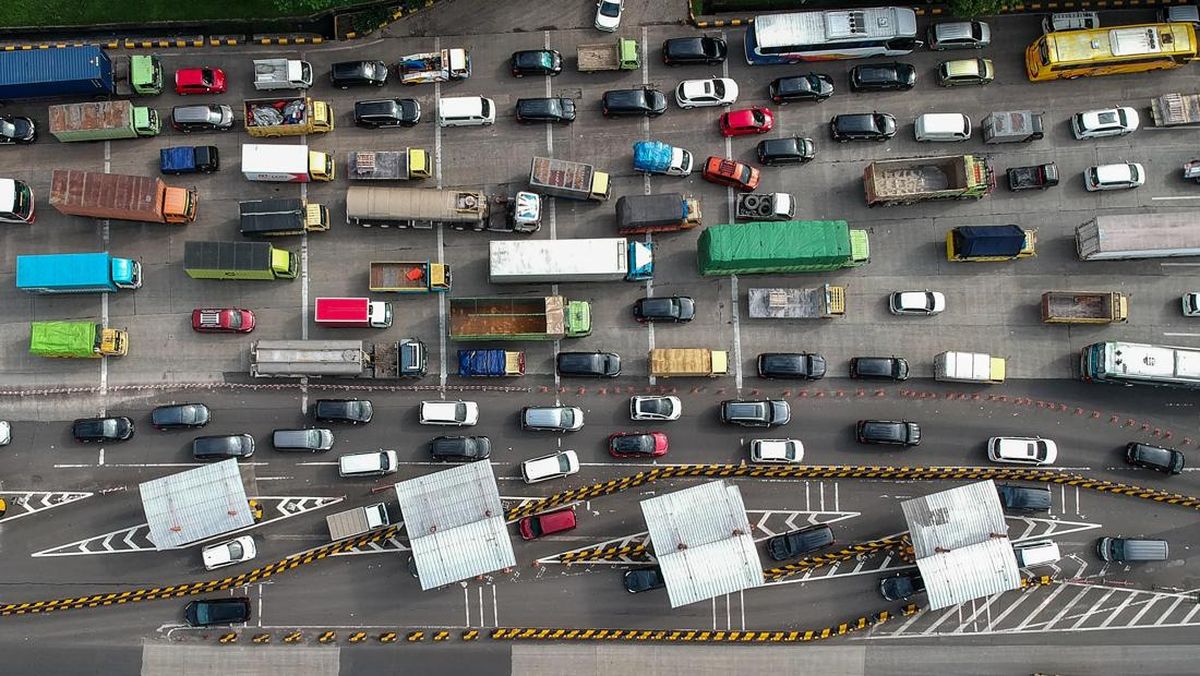
House of Representatives Commission III has urged relevant officials and institutions to immediately take concrete steps in addressing the severe congestion on the Jakarta-Tangerang Toll Road, which has become increasingly alarming to the public.
Commission III Deputy Chairman Rano Alfath said the main spotlight is directed at the prevalence of trucks occupying the right lane, as well as trucks with excessive loads and non-standard dimensions (Over Dimension Over Loading/ODOL). These two issues, Rano said, potentially endanger the safety of other road users.
“Public reports indicate that a number of trucks frequently use the right lane, which is supposed to be designated for light vehicles to overtake, thereby triggering traffic slowdowns, potential accidents, and long congestion, particularly during peak hours,” Rano said in his statement on Saturday (14/2), as quoted from Antara.
He said he has received numerous complaints from the public regarding trucks freely occupying the right lane on the Jakarta-Tangerang Toll Road, which already constitutes a road safety concern. Rano emphasized that the right lane is not for slow-moving heavy vehicles.
Additionally, his office highlighted the presence of ODOL trucks still freely operating on roads, including entering toll road sections. According to him, this practice not only violates regulations but also accelerates road infrastructure damage and increases the risk of fatal accidents.
“We have long discussed the enforcement against ODOL, but in practice it still occurs on the ground. Law enforcement must not be half-hearted—if there are violations, there must be real consequences,” he said.
Rano also observed that some truck drivers appear undeterred by the electronic ticketing system (ETLE), as if no deterrent effect is being felt. He therefore asked the Indonesian National Police to strengthen ETLE implementation, ensure sanctions are truly enforced, and conduct evaluations if there are gaps in the monitoring system. In doing so, he hopes to prevent the perception that violations can be ignored without consequences.
Ahead of Ramadan—when public mobility tends to increase—he urged preventive measures through measured traffic engineering. According to Rano, options that could be considered include restricting heavy vehicle operating hours during certain periods, intensive monitoring at vulnerable points, and routine patrols to ensure trucks do not use the right lane.
He also called for more solid coordination between the National Police, the Ministry of Transportation, and toll road operators so that policies adopted are not piecemeal but integrated and sustainable.
“It’s just a matter of tightening oversight and conducting law enforcement consistently. The public is waiting for concrete action, and I believe authorities can respond quickly and in a measured manner,” Rano said.
He also warned that this public concern should not be allowed to drag on, as the state must be present to ensure toll roads are safe, orderly, and functioning as they should.