
Hospitality Industry Targets Generation Alpha to Boost Occupancy Rates
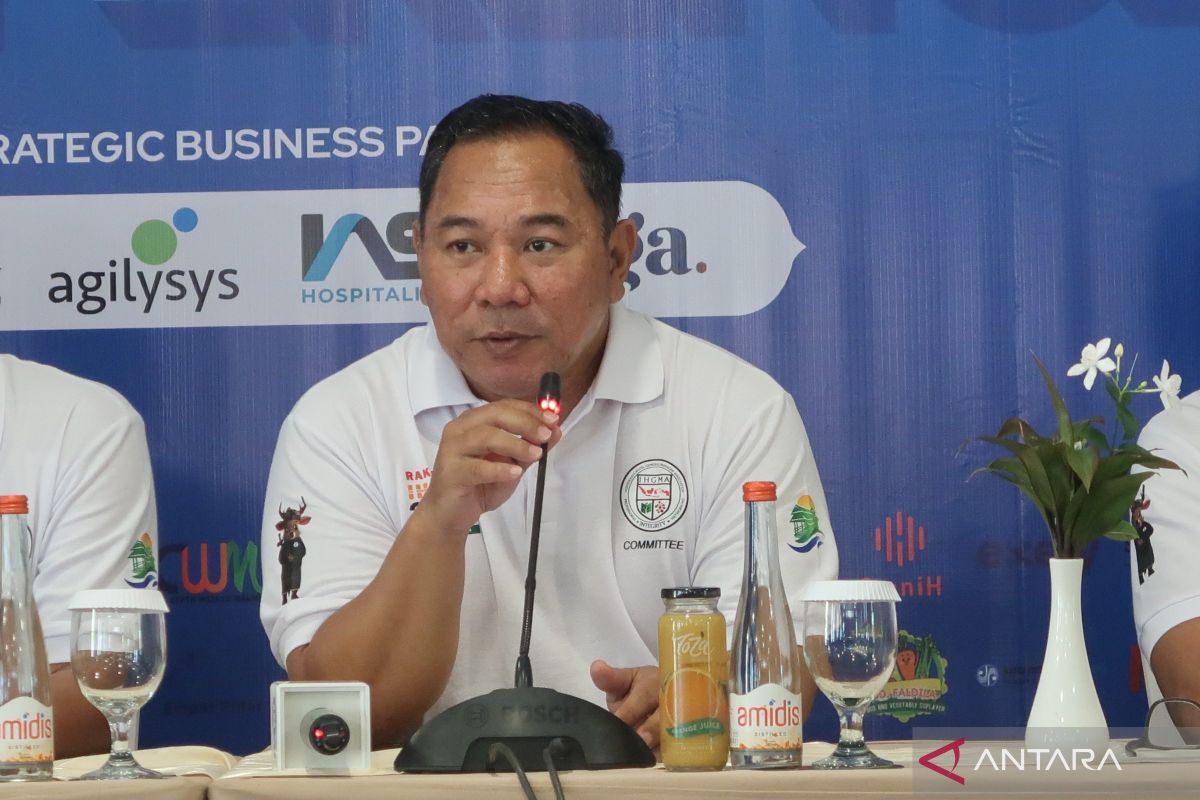
West Lombok (ANTARA) - The General Chairman of the Indonesian Hotel General Manager Association (IHGMA), I Gede Arya Pering Arimbawa, revealed that Generation Alpha is currently one of the new potential markets to drive hotel room occupancy rates.
“Generation Alpha enjoys travelling and certainly invites their parents. Such behaviour impacts the increase in hotel room occupancy,” he stated during a press conference at the IHGMA National Working Meeting in Hotel Merumatta, West Lombok, West Nusa Tenggara, on Thursday (16/4).
Arimbawa said that recent hotel occupancy trends indicate recovery, particularly during long holiday periods such as Eid al-Fitr, Nyepi, and school holidays.
Generation Alpha, born around 2013 to mid-2023, has a high tendency to travel with their families.
This demographic group, following Generation Z, is very familiar with gadgets and has high expectations for experiences, preferring interactive activities and child-friendly destinations.
According to Arimbawa, the current behavioural changes are pushing the hospitality industry to adapt more quickly. Hotels are no longer targeting only adult guests but must also meet children’s preferences as decision-makers in family travel.
“When Generation Alpha emerges, there needs to be an acceleration in adaptation to see the opportunities,” he said.
Furthermore, Arimbawa noted that Generations X, Y, up to the transition to Generation Z, still have high interest in travelling. Some of them are delaying marriage and choosing to explore various tourist destinations.
In addition to targeting young demographic groups, the hospitality industry is also beginning to see opportunities from the movements of transmigrant families.
The third generation of successful transmigrant families tends to travel back to their hometowns, thus impacting the increase in hotel room demand.
“People do not see that as a market segment. It is seasonal, but this is what is happening,” said Arimbawa.
Based on data from the Central Statistics Agency (BPS) for February 2026, the occupancy rate of starred hotels in Indonesia was 44.89 percent. This figure decreased compared to January 2026, which reached 47.53 percent.
The average length of stay for foreign and domestic guests at starred hotels was only 1.64 days in February 2026 and 1.59 days in January 2026.