
Hospital Responds to Viral Video of Woman Allegedly Forcibly Admitted by Husband to Psychiatric Facility
A video of a woman allegedly forcibly admitted to a psychiatric hospital by her husband has gone viral on social media. The hospital involved has provided clarification regarding the incident.
Soeharto Heerdjan Hospital (RSSH) in West Jakarta has denied allegations of coercive practices regarding the admission of a woman identified as EO to their Emergency Department (ED).
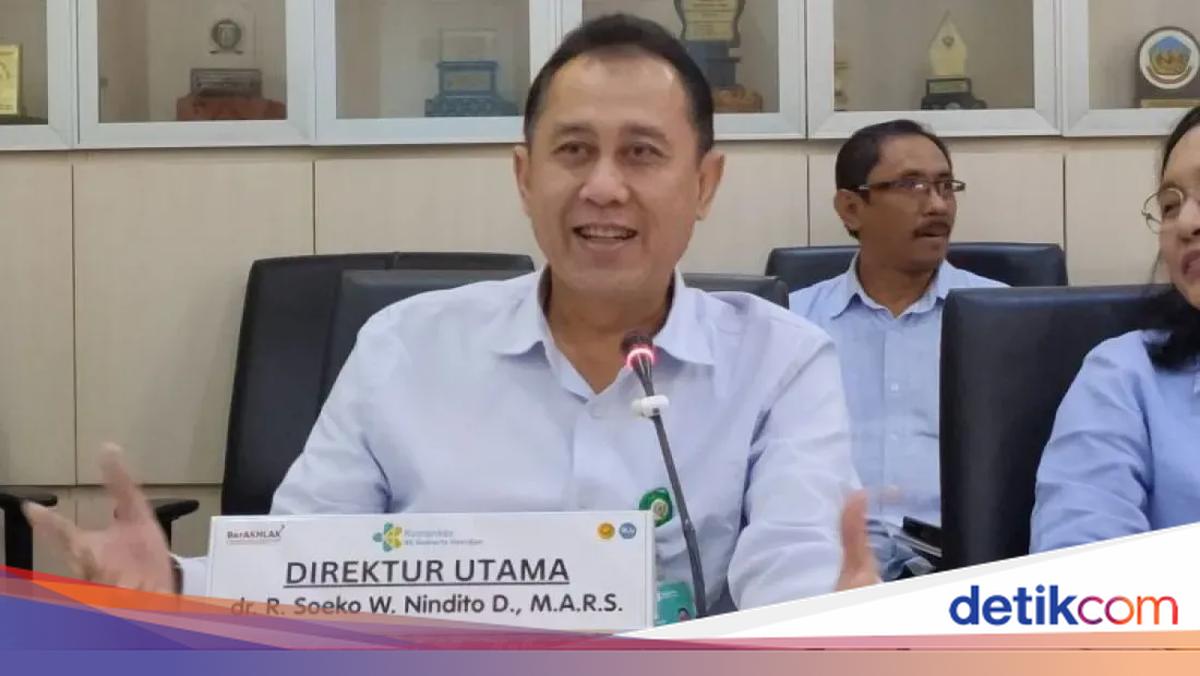
Chief Executive Officer of Soeharto Heerdjan Hospital, Dr Soeko W. Nindito, emphasised that patient EO, who arrived at the hospital on 31 January, was not forcibly collected but was brought directly by her family due to her mental health condition.
“Patient EO, whose video went viral, came to Soeharto Heerdjan Hospital accompanied by her husband and father, and was known by her mother. So, of their own volition, they brought the patient to our hospital,” said Soeko, as reported by Antara on Monday (9 March 2026).
He stated that patient EO had previously been taken to another hospital but was subsequently referred to RSSH because she required mental health treatment. Upon arrival at RSSH’s ED, hospital psychiatrists conducted an examination and assessment of EO.
“When she was brought here, of course, we have procedures for how to handle patients with mental health conditions,” said Soeko.
Based on the examination results, doctors recommended that EO be admitted for intensive care. According to him, the decision to admit the patient had been made with family approval, specifically from her husband, who signed the informed consent form for medical treatment.
Regarding complaints from the mother that she was prevented from visiting her daughter, Soeko stated this was a request made by the husband when signing the treatment consent form.
“We don’t know what happened between the husband and the mother; I don’t want to get involved in that matter. However, there was indeed a ‘statement’ during ‘informed consent’ that the patient should not be visited by her mother. My guess is that if visited by her mother, it might trigger emotions in the patient,” he explained.
Further, regarding the video showing patient EO tied to a bed, RSSH confirmed the use of physical restraints (restrain). However, according to the hospital, this was purely an emergency medical procedure for patient safety and the safety of those around her, not a form of torture or coercion.
This was based on EO’s frequent violent outbursts that posed a risk to herself and medical staff whilst being treated.
“During the treatment process, there were incidents where the patient became violent, destroyed furniture, and nearly grabbed a fire extinguisher intending to use it,” said Soeko.
Regarding patient EO’s mother’s attempt to take her away by force, Soeko stressed that the hospital adheres to the informed consent form signed by the patient’s husband.
“When the mother wanted to forcibly take her home, of course the hospital has procedures—whoever signs the ‘informed consent’ is most entitled to authorise the patient’s discharge,” said Soeko.
RSSH subsequently held an online meeting with the patient’s family regarding her condition and visiting access.
“So we needed time to negotiate with her family, her husband, and we held a Zoom meeting with the family, including an uncle. Eventually, she was allowed visits, and after the patient’s condition improved, around 5 or 6 February, the patient was stable and fit for discharge, so she was discharged,” he said.
Meanwhile, Dr Shandy Parulian, Acting Medical and Nursing Director of RSSH, added that the restrain procedure was closely monitored and not applied continuously.
The patient’s restraints were continuously monitored and reviewed every 15 minutes to assess the patient’s current condition.
He also compared this procedure with the treatment of patients in the intensive care unit of general hospitals, who are often restrained to prevent them from inadvertently removing infusion tubes.
“If the patient is in phases of fixation, it’s only for a brief moment. Once she calms down, then treatment is administered, and it will be removed,” he said.