
Hormuz Tensions Rise, European Gas Surges 80%: Energy Crisis on the Horizon
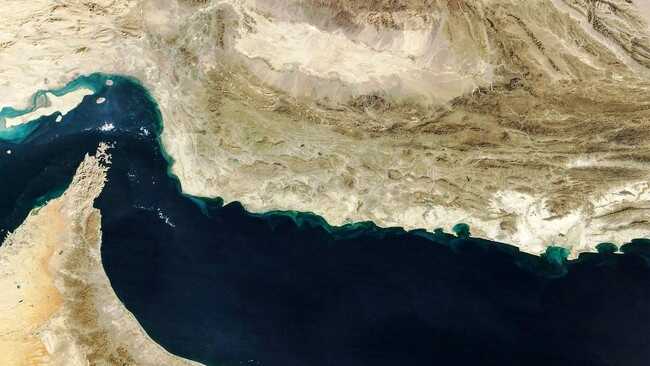
European energy prices surged this week, concentrated in natural gas. The rise was triggered by a halt in LNG production at Qatar’s Ras Laffan and Mesaieed complexes following a drone attack attributed to Iran. The facilities supply about a fifth of global LNG. When production stops, markets price in potential cargo shortfalls. The closure of the Strait of Hormuz further tightens gas and LNG supply.
Around 20% of global LNG trade also passes through the Strait of Hormuz, with volumes around 290 million cubic metres per day. Qatar leads LNG exports via this route. Roughly 80% of LNG passing through the Strait goes to Asia and 20% to Europe.
Europe remains vulnerable because EU gas stocks stand around 30%, lower than last year. Germany is even lower than 21%. The tight supply window accelerates price reactions.
Trading Economics as of 3 March shows five commodities logging the largest weekly gains. European natural gas dominates the list, followed by petroleum products and coal. The surge occurred in close succession, driven by Middle Eastern LNG supply disruptions and concerns over global energy distribution routes.
- UK Gas (+86.63% weekly)
- UK gas rose the most on the weekly table, up 86.63% to 138.42 pence per therm. The UK has limited storage capacity and relies on imports. Domestic stocks were reported below 30% at the end of February. As global supply tightens, the UK market reacted more aggressively than the European mainland.
- German Gas (+77.58% weekly)
German natural gas contracts jumped 77.58% in a week to €57.70/MWh. Buying activity followed the halt in Ras Laffan LNG production in Qatar. The complex accounts for about a fifth of global LNG supply.
Europe remains sensitive as storage levels sit only around 30%, while Germany is below 21%. Shrinking supply tightens the spot market and accelerates price rallies.
- TTF Gas (+75.43% weekly)
The Dutch benchmark gas, TTF, rose 75.43% to €53.60/MWh. The rise followed the German contract as both move within the same market ecosystem. Disruptions to LNG exports from the Middle East heighten the risk of shortfalls ahead of the winter refill season.
Tanker flows avoiding the Strait of Hormuz add pressure to regional distribution.
- Heating Oil (+27.53% weekly)
US heating oil futures rose 27.53% in a week to US$3.23 per gallon. The product is sensitive to disruptions in the crude oil and refining supply chain.
Geopolitical tensions trigger production disruptions in several producing countries. Distribution risks through the Gulf region push risk premia higher in the refined energy market.
- Coal (+17.95% weekly)
- Coal prices rose 17.95% to US$138 per tonne, the highest since December 2024. When gas surges, power plants switch to coal to maintain production costs. Asian countries dependent on Qatar LNG are preparing for fuel-switch scenarios. Short-term demand rises rapidly, while global supply remains largely unchanged.
These successive gains have reshaped the global energy cost map in a short period. Gas has become the epicentre of turmoil, then feeding into downstream fuels and coal. If LNG disruptions persist and Middle East distribution remains disrupted, price pressures could endure longer. The impact will be felt on inflation, electricity costs, and energy-intensive industries in the coming weeks.
CNBC Indonesia Research