
Hormuz Strait Disruption Threatens to Push Global LNG Prices Up 130 Percent
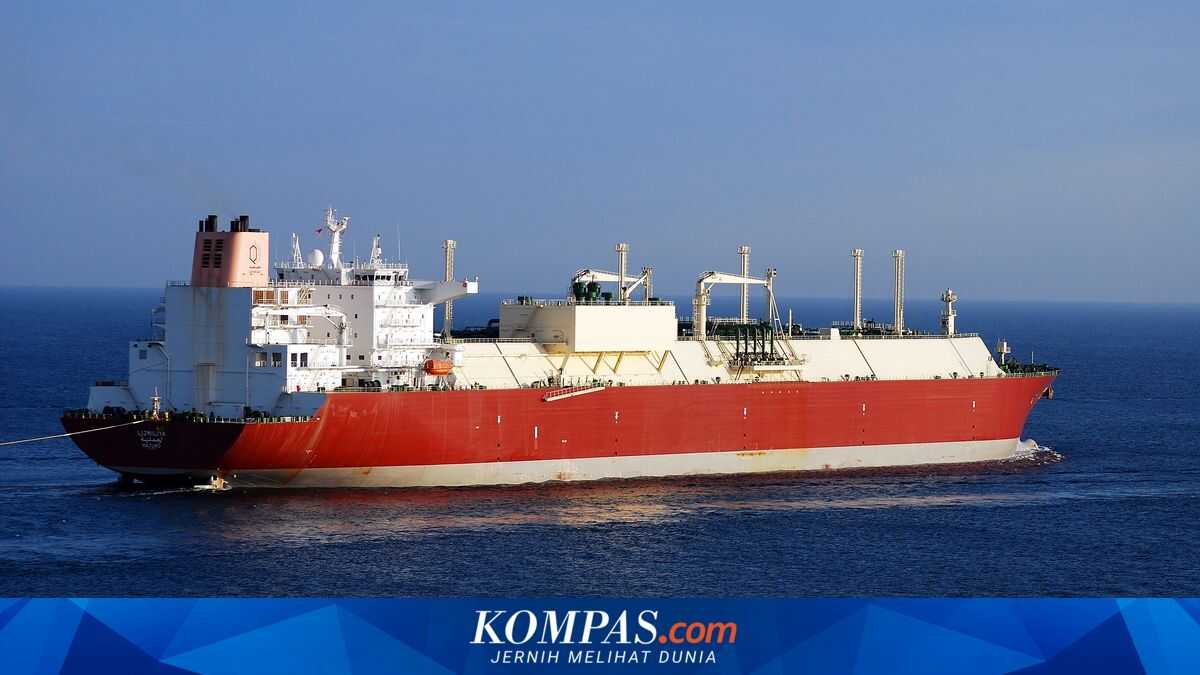
JAKARTA - Geopolitical tensions in the Middle East have once again rattled global energy markets. The conflict involving Iran and its allies against the United States and Israel has raised concerns about disruptions to the world’s primary energy trade routes, particularly the Strait of Hormuz.
For the liquefied natural gas (LNG) market, this passage is exceptionally crucial. Approximately one-fifth of the world’s LNG exports pass through the narrow strait linking the Persian Gulf with the Arabian Sea.
Investment bank Goldman Sachs has projected that LNG prices in both regions could surge by up to 130 percent if shipping disruptions persist for one month.
This increase has the potential to reshape the balance of global energy markets, which remain fragile following recent energy crises.
The Strait of Hormuz is one of the world’s most vital energy chokepoints. The passage serves as the primary shipping route for oil and gas from Gulf nations including Qatar, Saudi Arabia, Kuwait, and the United Arab Emirates to global markets.
Goldman Sachs notes that approximately 20 percent of global LNG exports transit the Strait of Hormuz. When geopolitical conflict elevates the risk of shipping disruptions, global energy markets respond immediately with heightened price volatility.
In a memo cited on Monday (2 March 2026), Goldman Sachs analysts stated that LNG prices in Europe and Asia do not yet fully reflect the risk premium resulting from the Iran crisis.
“A one-month disruption to gas shipments through the Strait of Hormuz could drive European gas prices up by approximately 130 percent,” wrote Goldman Sachs analysts.
Should disruptions persist for longer periods, the impact on energy markets is expected to be more severe. Goldman Sachs notes that disruptions exceeding two months could push European gas prices beyond 100 euros per megawatt hour.
The escalating risks in the LNG market are linked to the worsening conflict in the Middle East, which has triggered disruptions to energy trade routes.
Geopolitical tensions in the region have impeded energy tanker traffic through the Strait of Hormuz. Several vessels have reportedly suspended their journeys or rerouted due to heightened security threats.
Disruptions at the Strait of Hormuz affect not only LNG but also global oil trade. The passage conveys nearly one-fifth of global daily oil consumption.
Consequently, any disruption in this region frequently triggers swift reactions in global energy markets, ranging from price surges to shifts in energy trade flows.