
Hormuz Strait Crisis: Vietnam Reduces Number of Flights, Japan Releases Oil Reserves
The conflict in the Middle East has triggered a massive rise in energy prices and concerns over global supply shortages. The fuel crisis is already affecting the aviation sector in Southeast Asia.
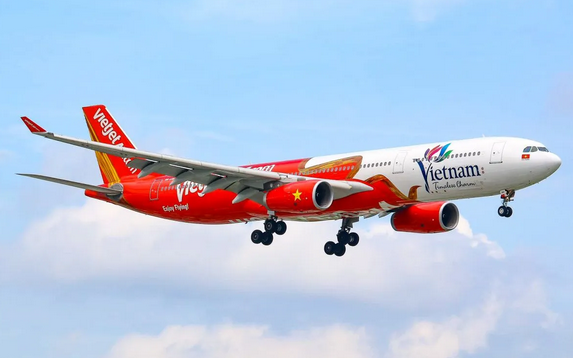
Vietnam’s aviation authorities report that national carrier Vietnam Airlines will suspend nearly two dozen domestic flights per week starting next month.
“Vietnam Airlines plans to temporarily halt operations on several routes from 1 April,” states the declaration from Vietnam’s civil aviation authority.
The total suspension of 23 flights per week is being forced due to limited supplies of jet fuel (Jet A-1) resulting from the Middle East conflict.
Currently, Vietnam has requested fuel support from several countries, including Qatar, Kuwait, Algeria, and Japan, and has signed oil and gas production agreements with Russia.
A similar situation is occurring in Myanmar, where the national carrier has announced the cancellation of several domestic flights due to “unavoidable circumstances”.
In the United States, United Airlines has also reduced its flight capacity due to the surge in jet fuel costs, which are expected to continue rising during the Gulf war.
Prime Minister Sanae Takaichi stated that Japan will release portions of its strategic oil reserves again starting Thursday (26 March).
Additionally, Tokyo will begin using joint stocks stored by producer countries in Japan by the end of this month to maintain national energy resilience.
“To secure the necessary amount for all of Japan… we will release national reserves (of oil) starting 26 March,” Takaichi said, quoted from AFP.
This step follows Tokyo’s policy last week to release private sector oil reserves equivalent to 15 days’ needs.
Takaichi added that the release from joint reserves with oil-producing countries is also expected to begin in March.
Japan is a country that relies heavily on the Middle East for 95 per cent of its oil imports.
Nevertheless, the Land of the Rising Sun has one of the world’s largest strategic oil reserves, exceeding 400 million barrels as of last December.
According to the Japan Oil Association, these joint reserves are stored by Saudi Arabia, the United Arab Emirates (UAE), and Kuwait.
In normal situations, the crude oil is used commercially, but Japanese oil companies have priority purchase rights in emergencies.
Economy Minister Ryosei Akazawa revealed that Japan is endeavouring to obtain oil from ports in Saudi Arabia and the UAE via routes “that do not pass through the Hormuz Strait” and to expand purchases from the United States.
This decision aligns with the agreement of International Energy Agency (IEA) members on 11 March to utilise oil stocks to curb price surges due to the Middle East war.